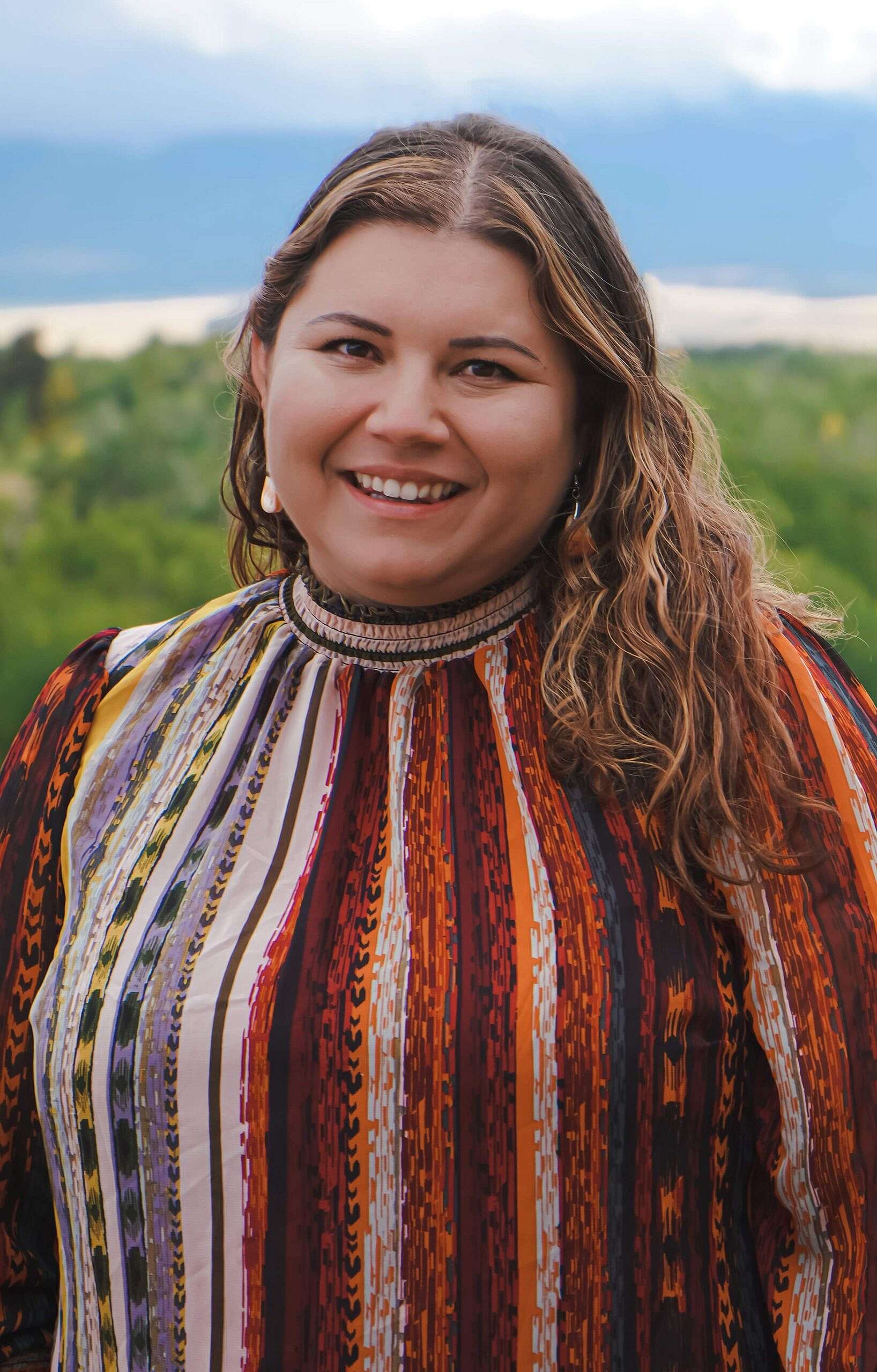
Hunter C. Old Elk (Apsáalooke/ Yakama) is the Curator of the Plains Indian Museum at the Buffalo Bill Center of the West. She grew up on the Apsáalooke Reservation in southeastern Montana. Old Elk is a member of the Big Lodge and child of the Whistling Water clans, and member of the Night Hawk Dance Society. Since 2016, she has held the titles of Intern, Research Assistant, Curatorial Assistant, and Assistant Curator at the Plains Indian Museum.
Old Elk holds a Master of Arts in Cultural Heritage Management at Johns Hopkins University and a Bachelor of Arts focused on Native American Histories at Mount St. Mary’s University, both in Maryland. Her graduate research focused on the reciprocal relationship between global Indigenous Peoples and their homelands, examining how landscapes develop cultural practices and belief systems. She connects tribal sovereigns as equals in museum processes, supporting tribal consultation and repatriation of cultural items through NAGPRA (Native American Graves Protection and Repatriation Act).
Old Elk supports Indigenous youth by serving as the Vice Chair of Native American Jumpstart, a bridge foundation supporting Indigenous college students. She sponsors tribal youth in her home community as an alumna mentor at St. Labre Indian Schools and volunteers on the Little Bighorn College Museum and Cultural Center steering committee.
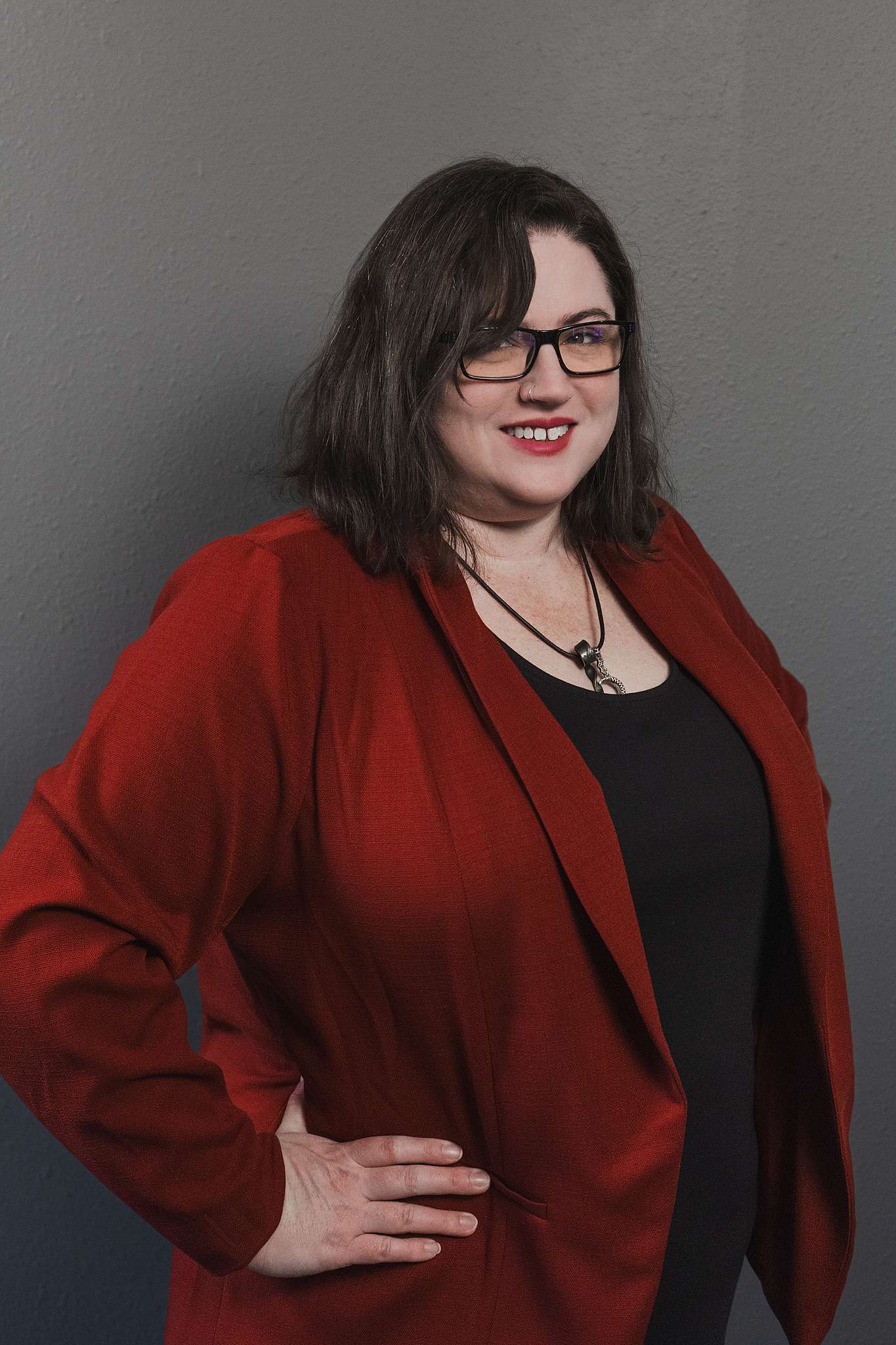
Danielle L. Carpenter-Chatman
Curatorial Assistant, Plains Indian Museum
Danielle L. Carpenter-Chatman is the Curatorial Assistant at the Plains Indian Museum at the Buffalo Bill Center of the West, joining the Center in June 2025. She holds a Bachelor of Arts in Biological Anthropology from California State University, Stanislaus, where she participated in the Honors Program. Her undergraduate thesis, Using Non-Invasive Imaging to Analyze Ancient Skeletal Remains, examined the use of photogrammetry and computed tomography (CT) scanning to create 3D models of skeletal remains, highlighting the potential of digital technologies in anthropological research.
Drawing on this background, Carpenter-Chatman also supports the Center’s work under the Native American Graves Protection and Repatriation Act (NAGPRA). She is deeply interested in how past and present lived experiences shape complex social structures, with research interests in pre-colonial trade networks and rock art. Her curatorial approach emphasizes bringing everyday life into focus, offering visitors and students new ways of engaging with and understanding the past. She is especially committed to expanding dynamic, interactive digital experiences for audiences at the Plains Indian Museum.
Carpenter-Chatman plans to pursue a master’s degree in biological anthropology or museum studies.