Home » Short on Time, Big on Impact: Must-See Exhibits at the Buffalo Bill Center of the West
Short on Time, Big on Impact: Must-See Exhibits at the Buffalo Bill Center of the West
Short on Time, Big on Impact: Must-See Exhibits at the Buffalo Bill Center of the West
Five museums. One campus. Centuries of Western history, art, culture, and wildlife converging in a single destination. The Buffalo Bill Center of the West commands time, attention, and curiosity—but travel schedules often demand speed. This curated list cuts through the scale and points directly to the Center’s most powerful objects and displays, delivering a high-impact experience within a single visit. The Buffalo Bill Center of the West brings together Western art, Plains Indian cultures, firearms innovation, frontier history, and the natural world of the Greater Yellowstone region. These ten highlights represent the core of the experience—works and exhibits that define the institution and leave a lasting impression long after the visit ends. The West awaits!
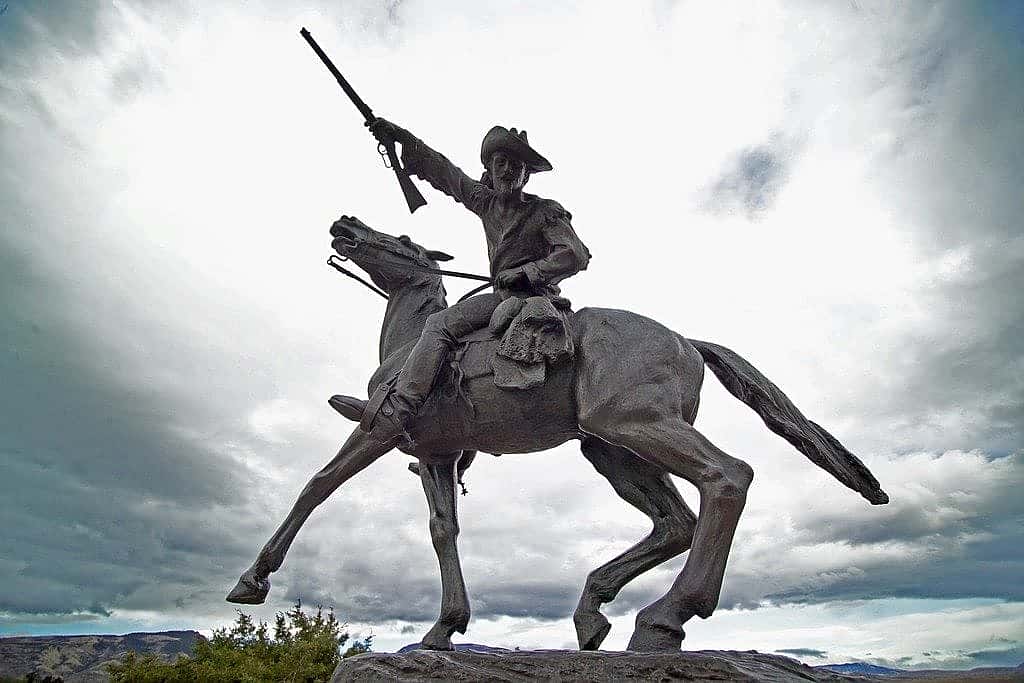
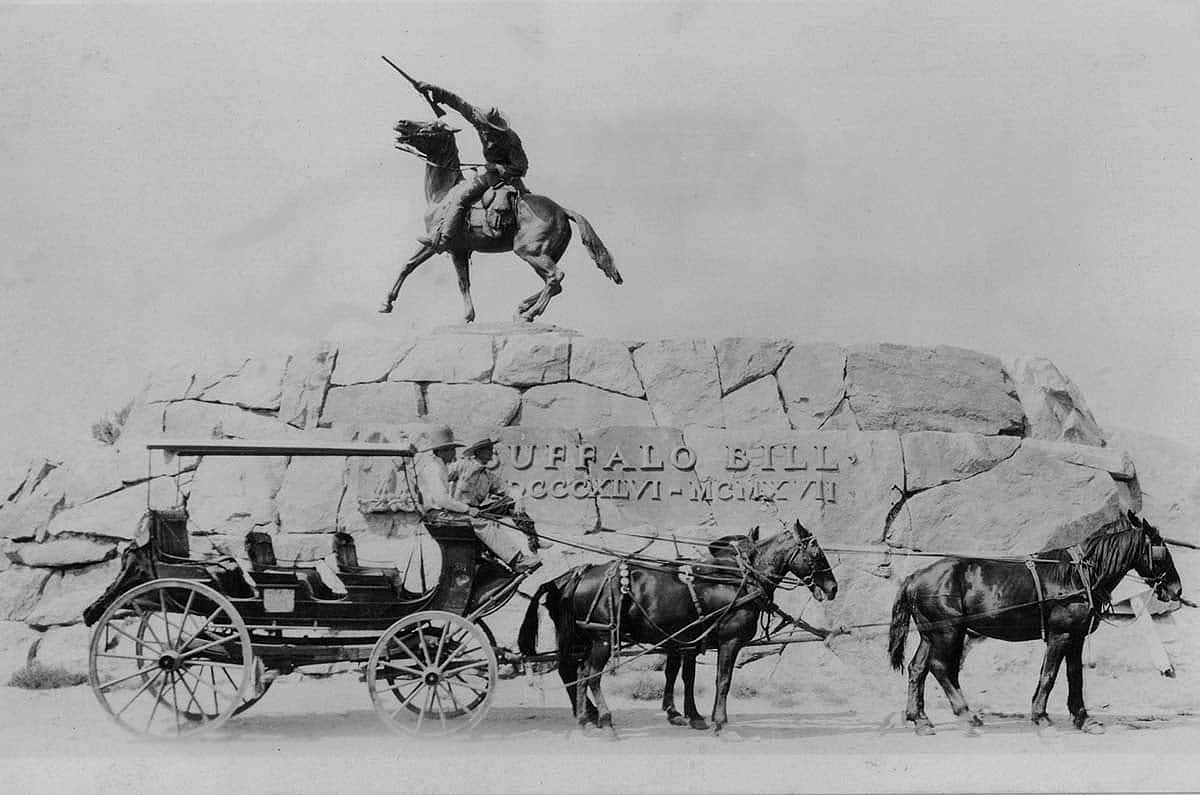
Gertrude Vanderbilt Whitney, The Scout Statue (1924) This monumental bronze marks the physical and symbolic origin of the Center of the West. Commissioned after William F. “Buffalo Bill” Cody’s death, the sculpture arrived with Whitney’s land donation, setting the foundation for everything that followed. Power, motion, and legacy converge in one commanding work that stands watch just outside the north-facing window of the Whitney.
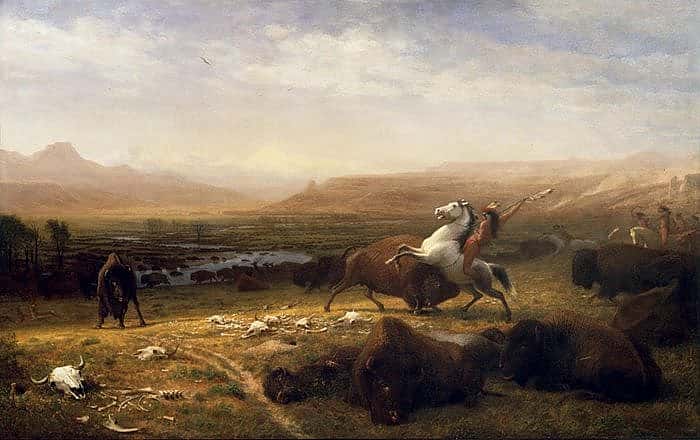
Albert Bierstadt, The Last of the Buffalo (ca. 1888) Scale, movement, and meaning dominate this iconic painting. Bierstadt captured a vanishing landscape while confronting loss—of wildlife, Indigenous lifeways, and unfenced land. Few works communicate the stakes of westward expansion with such emotional force.
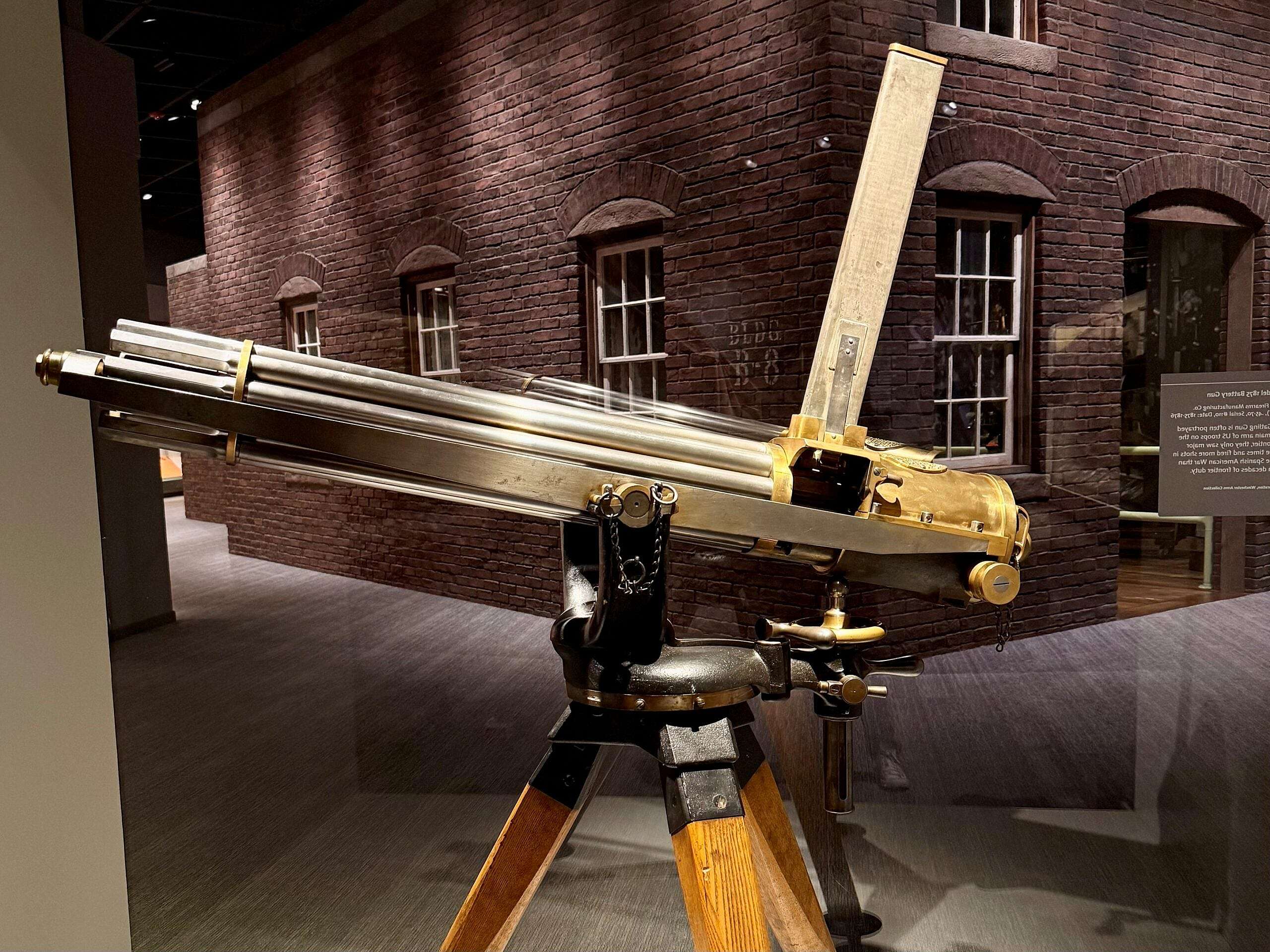
U.S. Model 1875 Gatling Gun Battery Industrial design meets historical consequence in this landmark weapon. The Gatling gun reshaped warfare through unprecedented firepower, earning a central place within one of the most comprehensive firearms collections in the world.
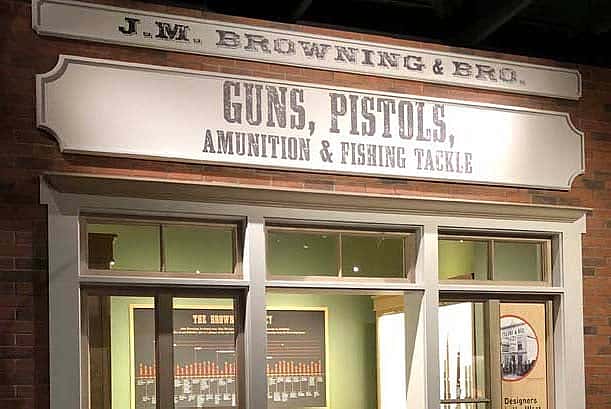
John Moses Browning Workshop This faithfully recreated workshop highlights the mind behind some of the most influential firearm designs ever produced. John Moses Browning’s innovations echoed across continents, industries, and decades, beginning inside a modest workspace like this one.
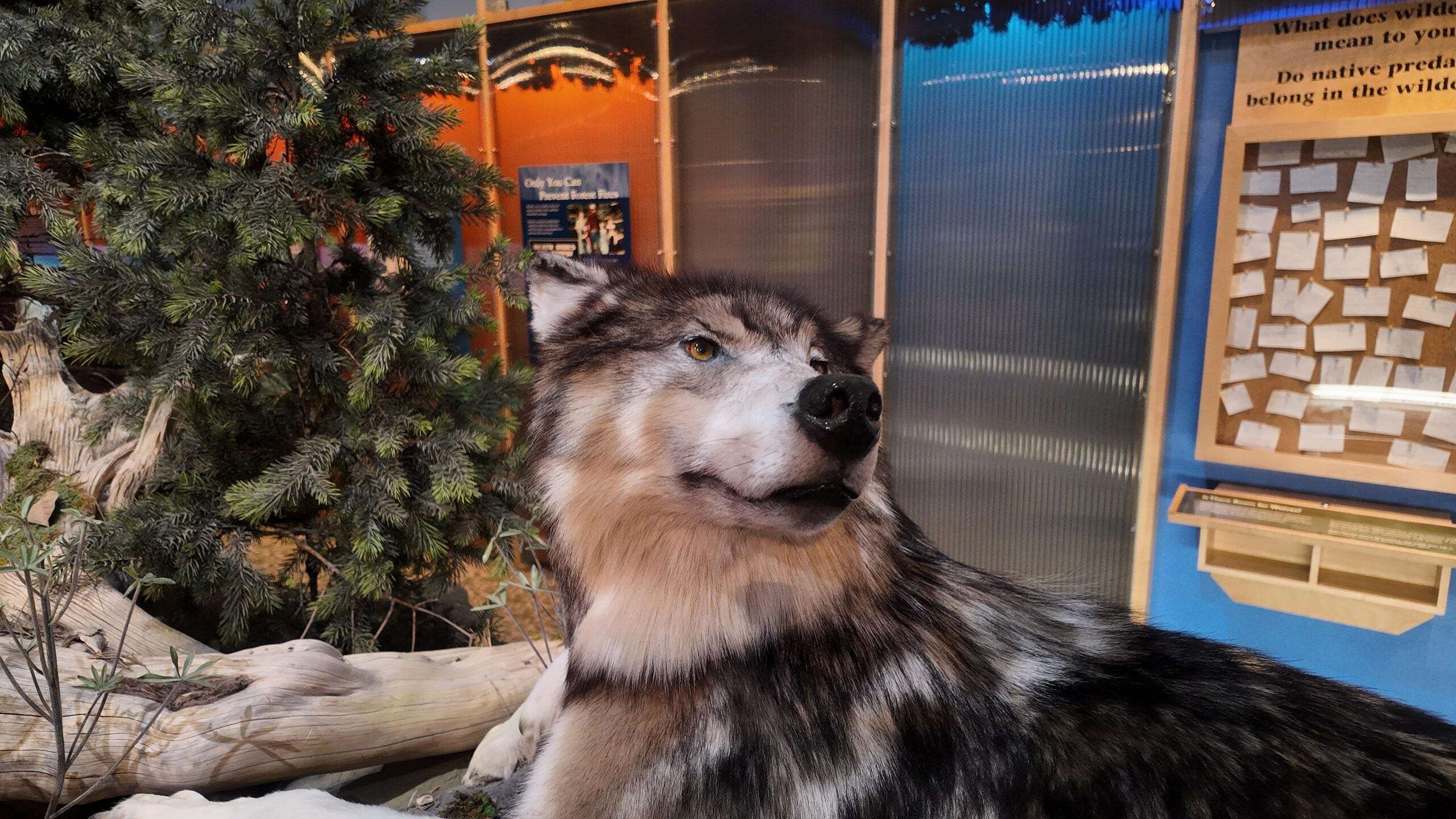
Gray Wolf Exhibit Restoration, resistance, and ecological change collide in this compelling exhibit. The return of wolves to Yellowstone reshaped ecosystems and ignited national debate, making this display one of the museum’s most thought-provoking stops.
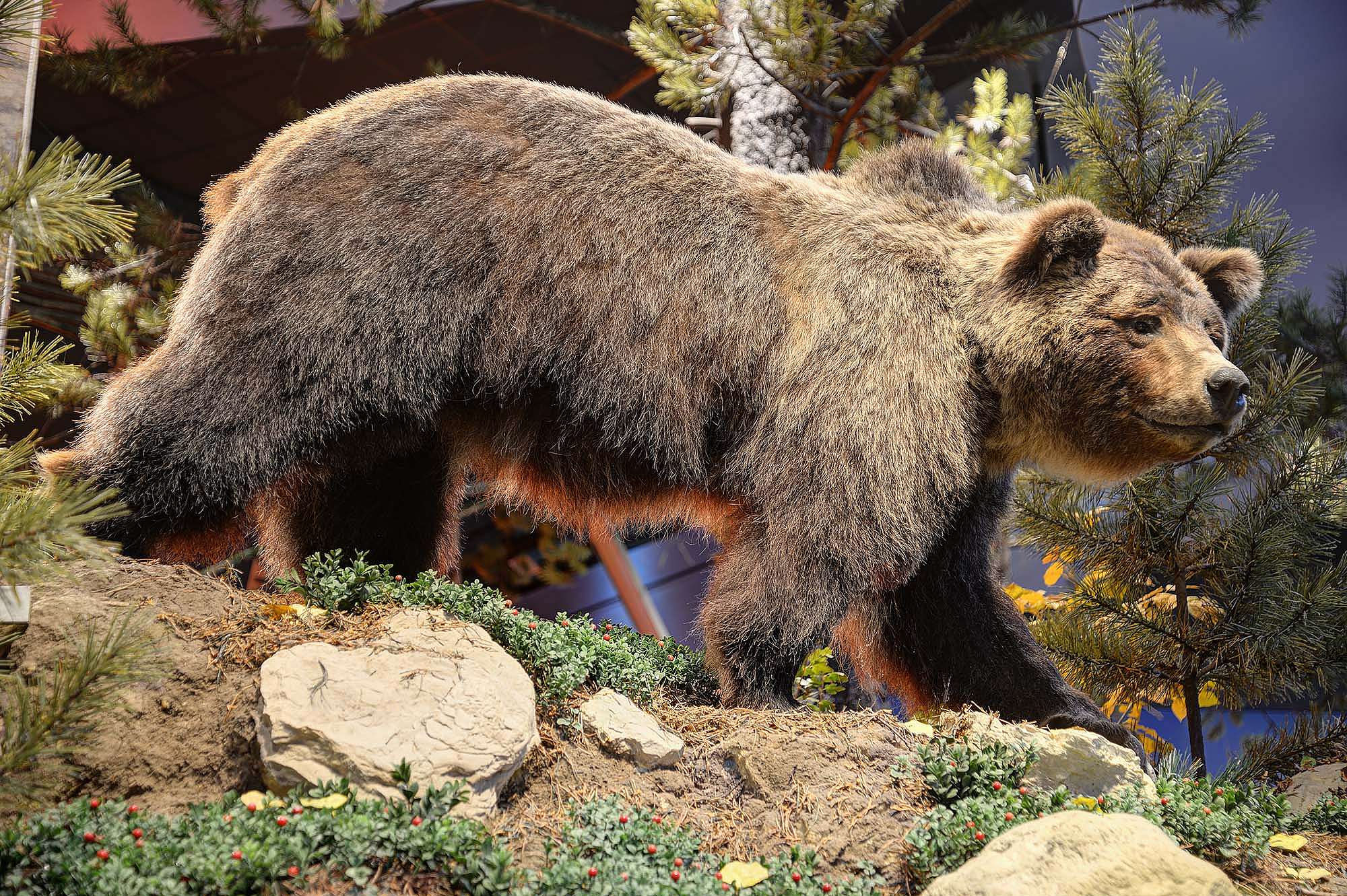
Grizzly Bear Sow 104 This widely recognized story confronts the realities of shared landscapes. The life and death of Grizzly 104 expose the challenges of conservation within a modern world, leaving a powerful emotional and scientific impact.
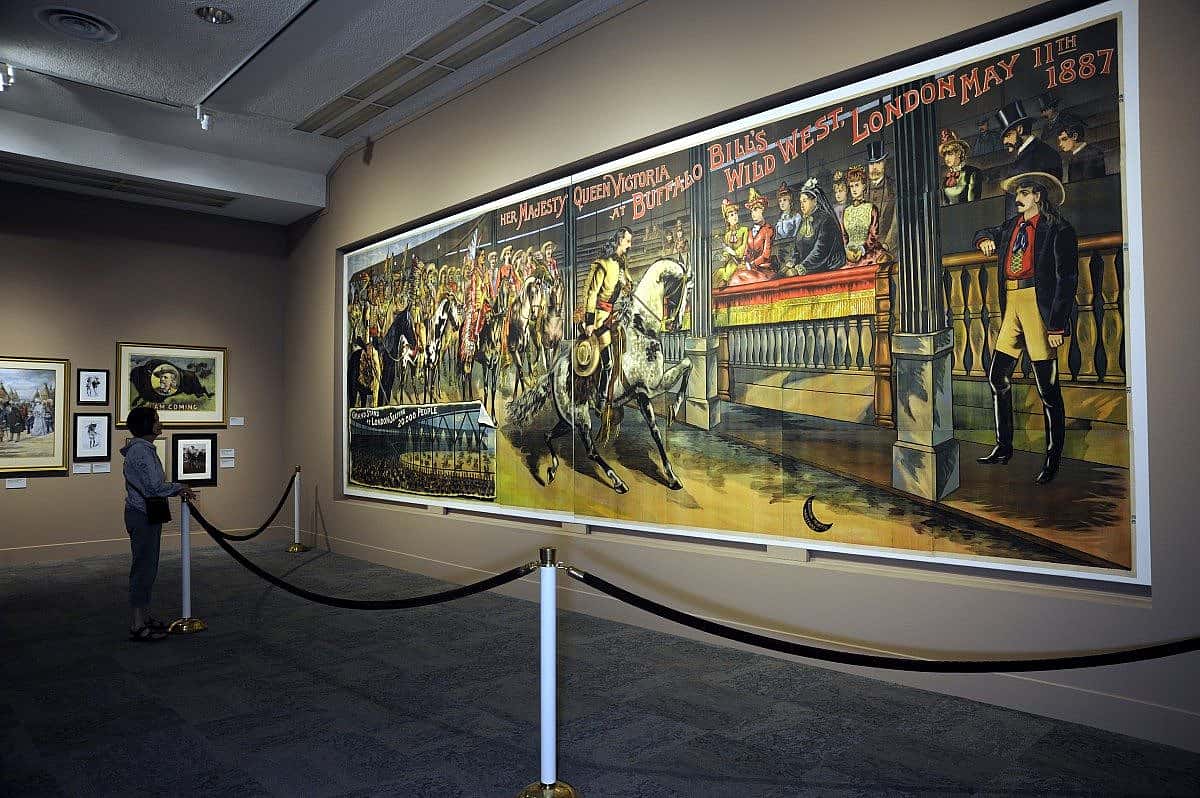
Buffalo Bill’s Wild West Poster Buffalo Bill’s Wild West traveled to Europe on eight separate tours, cementing Cody’s international fame. This large format poster advertises an appearance before Queen Victoria during the show’s first London tour in 1887, reflecting both the spectacle of the production and Cody’s status as a global celebrity.
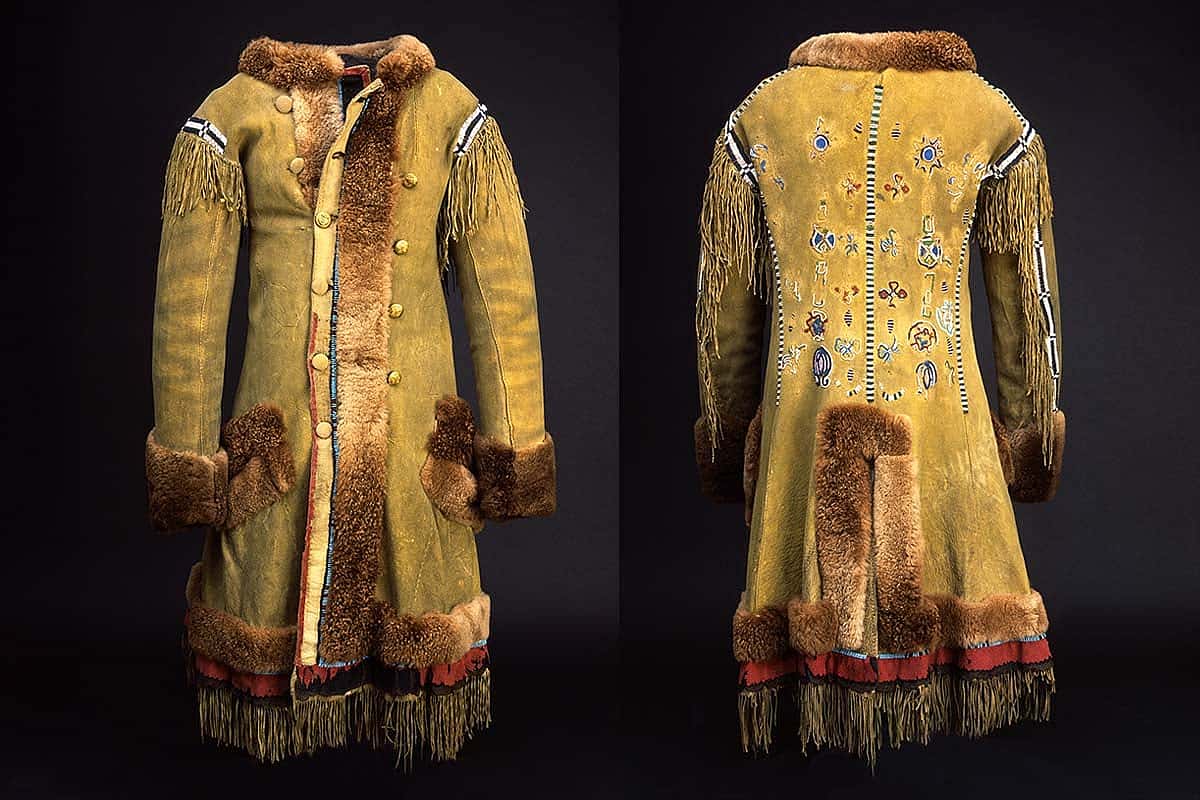
William F. Cody’s Hide Coat, ca. 1870 Crafted from buffalo hide with fur trim, this coat blends frontier function with theatrical presence. Worn by Cody as an Army scout and later on stage, it embodies the transition from lived experience to legend.
Plains Indian Museum
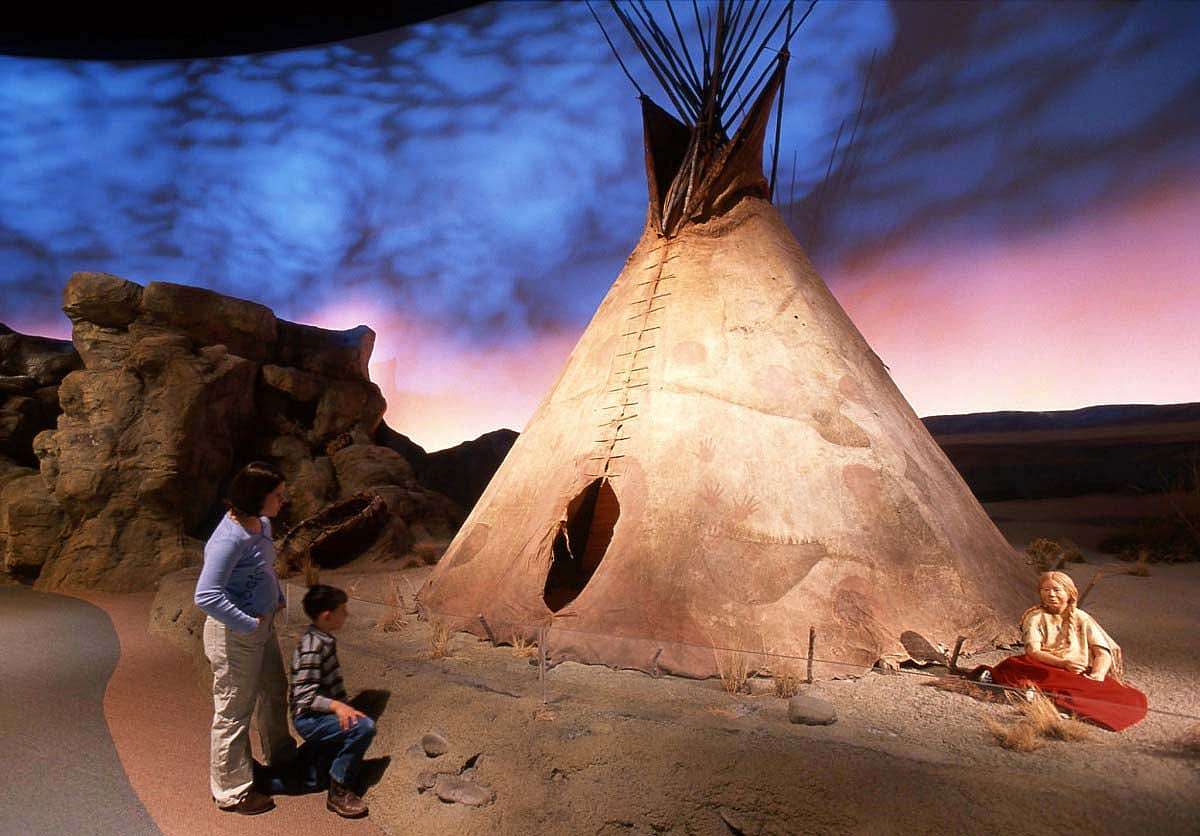
Nez Perce Buffalo Hide Tipi, ca. 1850 Rare and monumental, this buffalo hide tipi represents Plains Indian ingenuity, artistry, and resourcefulness. Multiple hides sewn with sinew demonstrate advanced engineering rooted in cultural tradition.
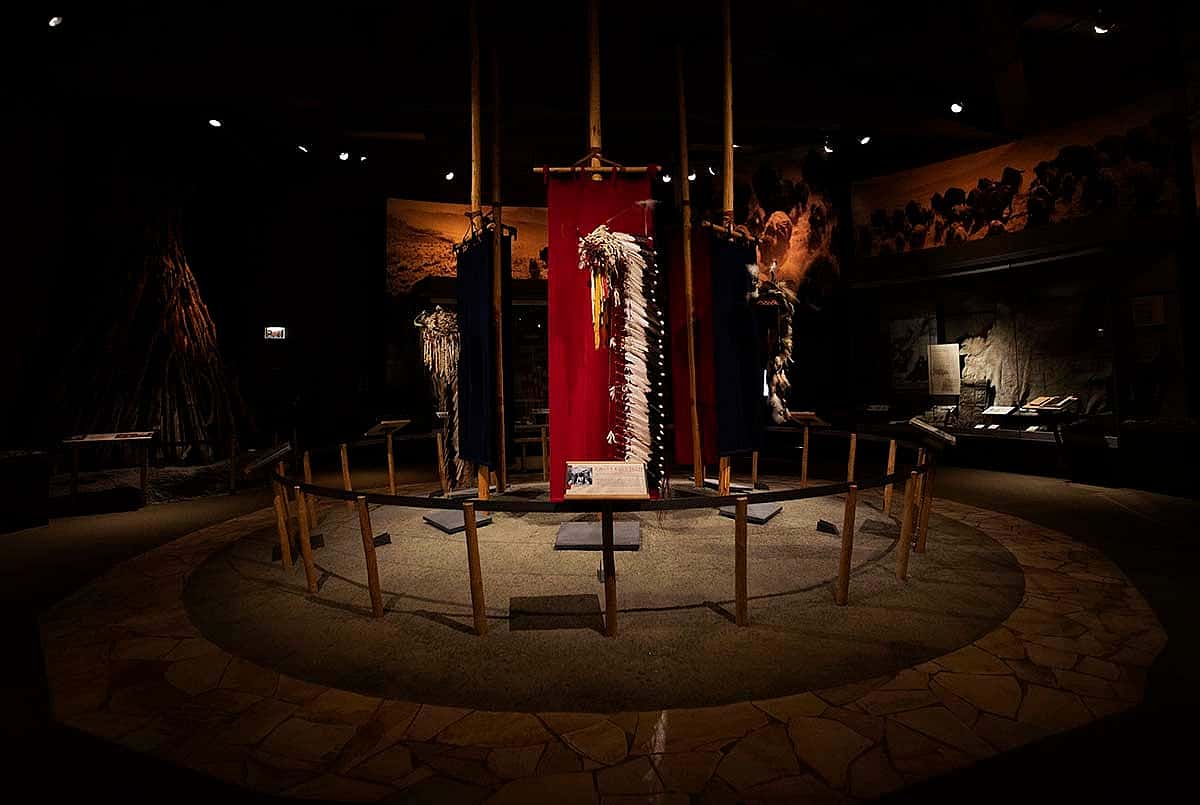
Northern Plains Buffalo Horn Bonnets, ca. 1870s–1880s Spiritual authority and social distinction find expression in these striking ceremonial bonnets. Worn by members of honored societies, they symbolize leadership, vision, and deep cultural connection to the buffalo.