
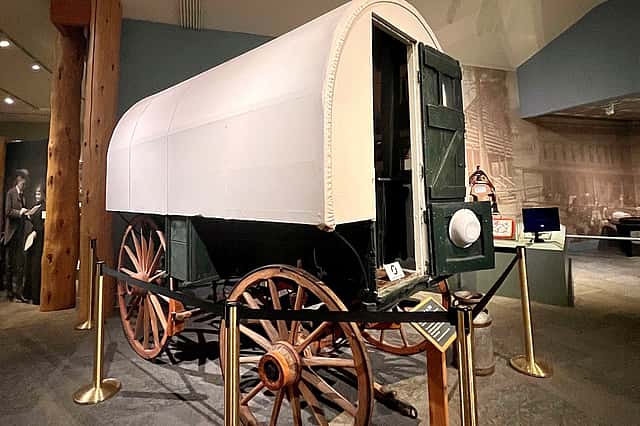
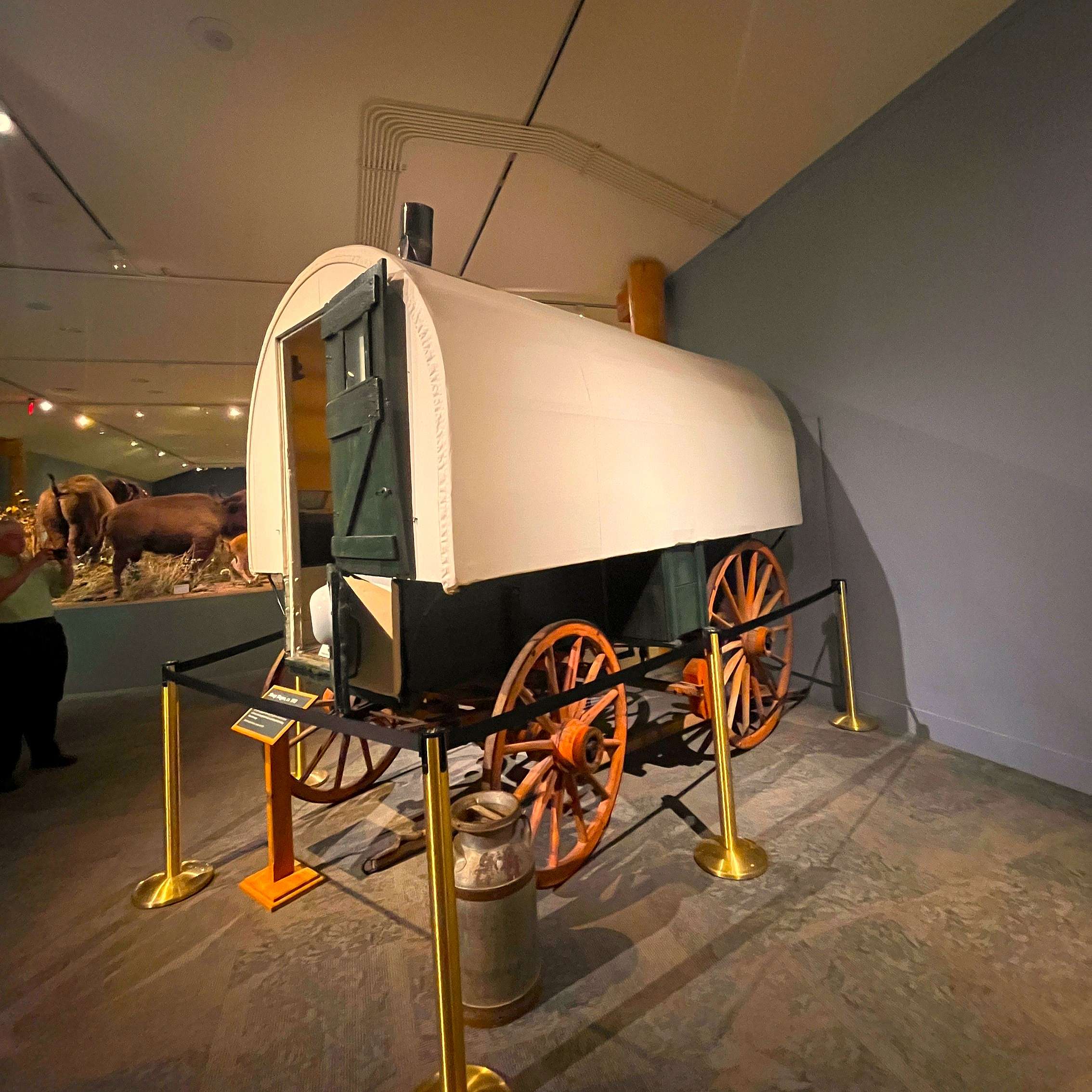
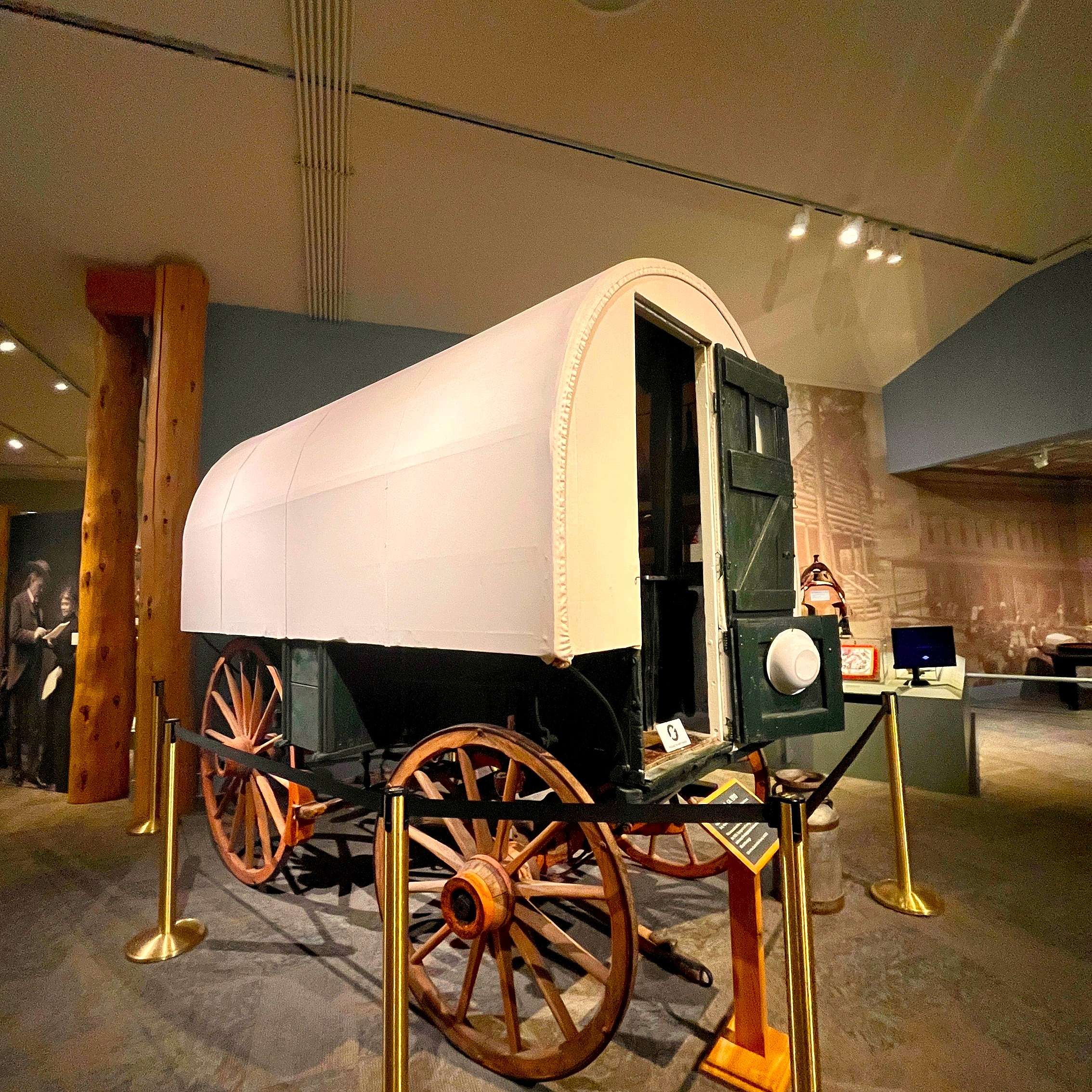
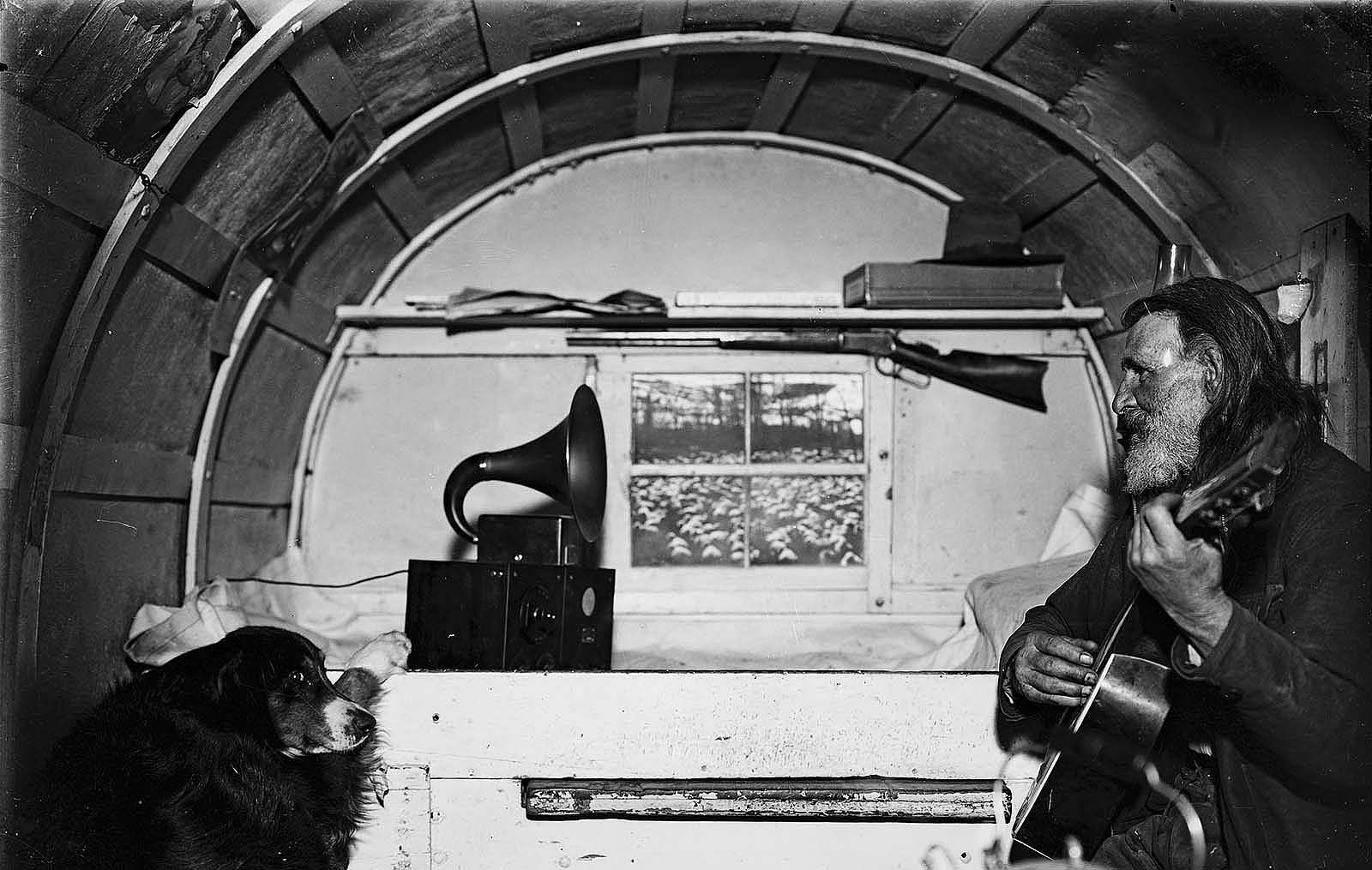
Sheep Wagons and the Shaping of the American West

February 17, 2026
Written By
Jane Gilvary
Jane Gilvary is a Content Specialist in the Public Relations Department at the Center of the West. She writes and manages web content and serves as editor of the Center’s monthly e-newsletter, Western Wire. Outside of work, Jane enjoys exploring Wyoming’s backcountry and discovering its hidden treasures.
You May Also Like
The Chuckwagon: An Enduring Legacy
Dec 09, 2025

Origins of the Chuckwagon The chuckwagon, invented in 1866 by...
An Ordinary Man, an Extraordinary Legacy: Audie Murphy and the Colt Bisley
Jul 29, 2025
I may be branded by war, but I will not...
John Colter: America’s Intrepid Mountain Man
Jan 23, 2026
The Dawn of Westward Expansion Most historians agree that westward...
Long Hair’s Lodge: The Story of Pahaska Teepee
Oct 22, 2025
The Impending Winter October in Cody means many things: colder...
A Fleeting Season: Indian Summer in History and Art
Sep 09, 2025
First Use of "Indian Summer" In 1778 in his collection...
Why These Objects? A Closer Look at the Buffalo Nation Spotlights
Jan 29, 2026

As the opening of the Buffalo Nation spotlights approaches, a...
Research Made Easy: Exploring the McCracken Research Library’s Collections
Mar 23, 2026

Archival and library research can feel overwhelming for even the...
Flight from Destiny: Western Grit in Color
Aug 12, 2025
Fusion of Styles For a clear example of photo-realism fused...
The TE Ranch in American Memory
Aug 06, 2025
A Window into the West Just outside the Coe Auditorium...
Yankee-Mania: The Wild West Invades London
Aug 18, 2025
Buffalo Bill's Wild West show cast and personnel, Earl's Court,...
Armed in the Colonies: Firearms, Militia, and Early American Law
Mar 16, 2026

American society has always been connected to firearms culture in...