
Armed in the Colonies: Firearms, Militia, and Early American Law

March 16, 2026
American society has always been connected to firearms culture in some capacity. And in the modern day there are endless discussions on the framework of firearms law and on best practices for citizens who do carry or utilize their rights. However, the conversations that we have in the modern day are different from the ones that existed in colonial times and would be completely alien to those who lived in colonial America.
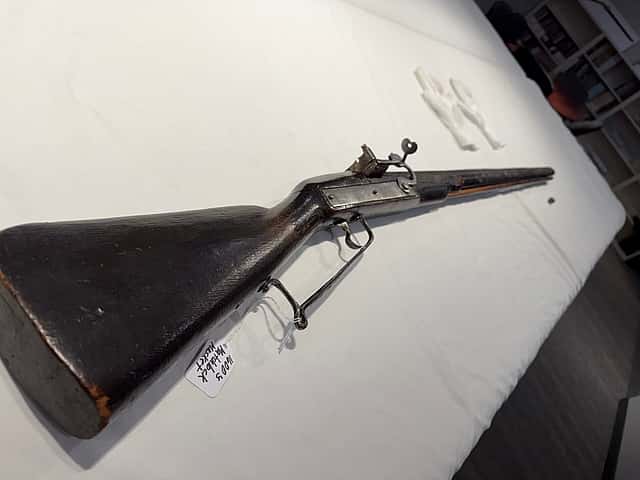
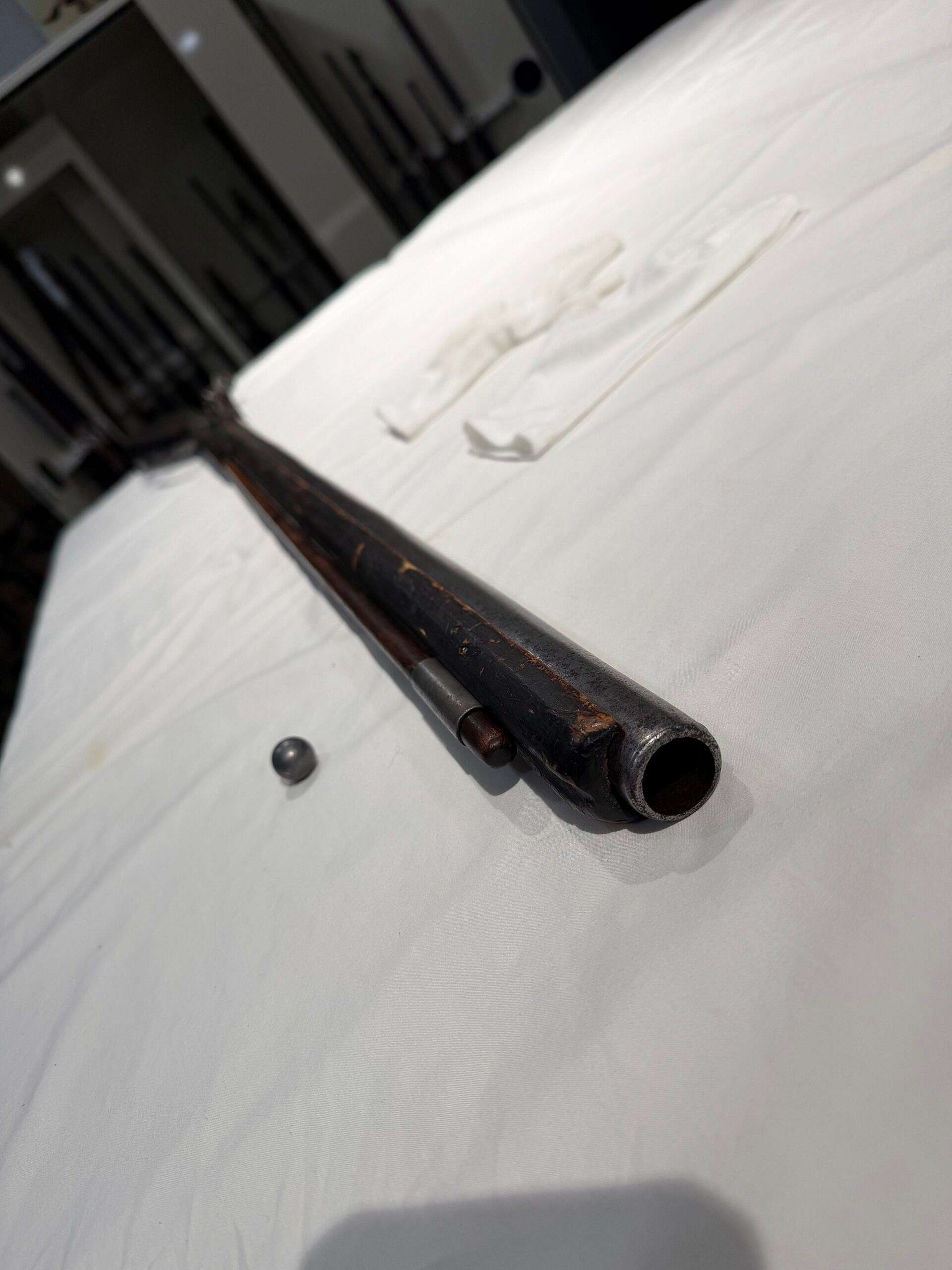
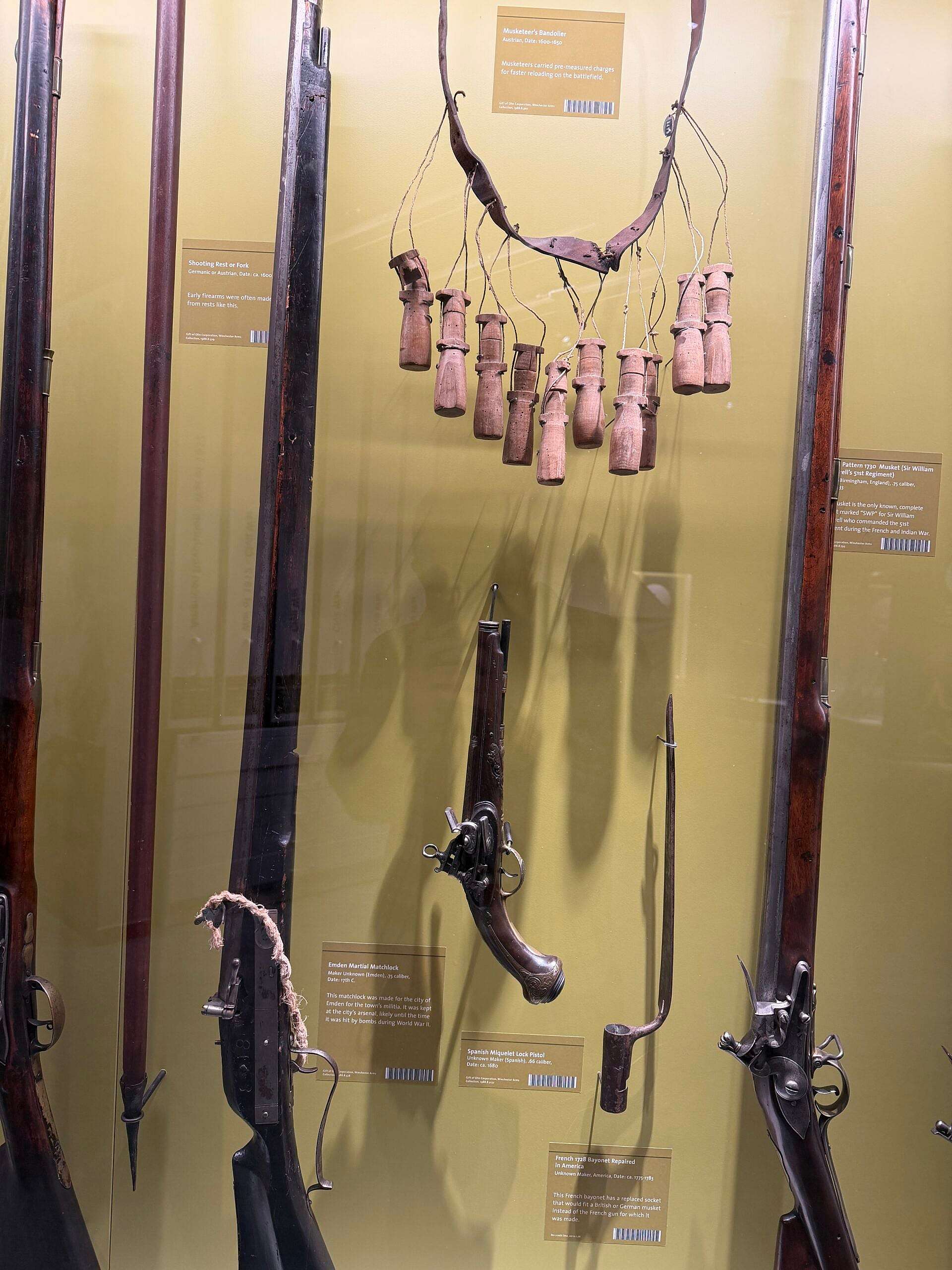
The central martial and legal obligation a free white man in the colonies had to his polity was service in the local militia. Service was compulsory with only a few legal exceptions due to health or if a reliable second could be found or hired. But for the common colonial citizen, between 16 and 50 years old, service in the militia was a fact of life. As a result, the furnishing of weapons and the provision of training to these men was a critical issue for the various states and governments that organized them. The principal challenge was maintaining enough powder, shot, and muskets themselves to adequately arm the members of a given community. Even the act of drilling would consume precious powder that was needed for the storehouses in case of an attack. Furnishing and maintaining guns was also a challenge as broken lock work or ruined barrels demanded skilled labor to manufacture replacement parts and then fit them to a given musket that was not uniformly manufactured. These issues plagued colonial governments and the officers that were tasked with ensuring good order and training especially in times of war where a Native American raid would be expected.
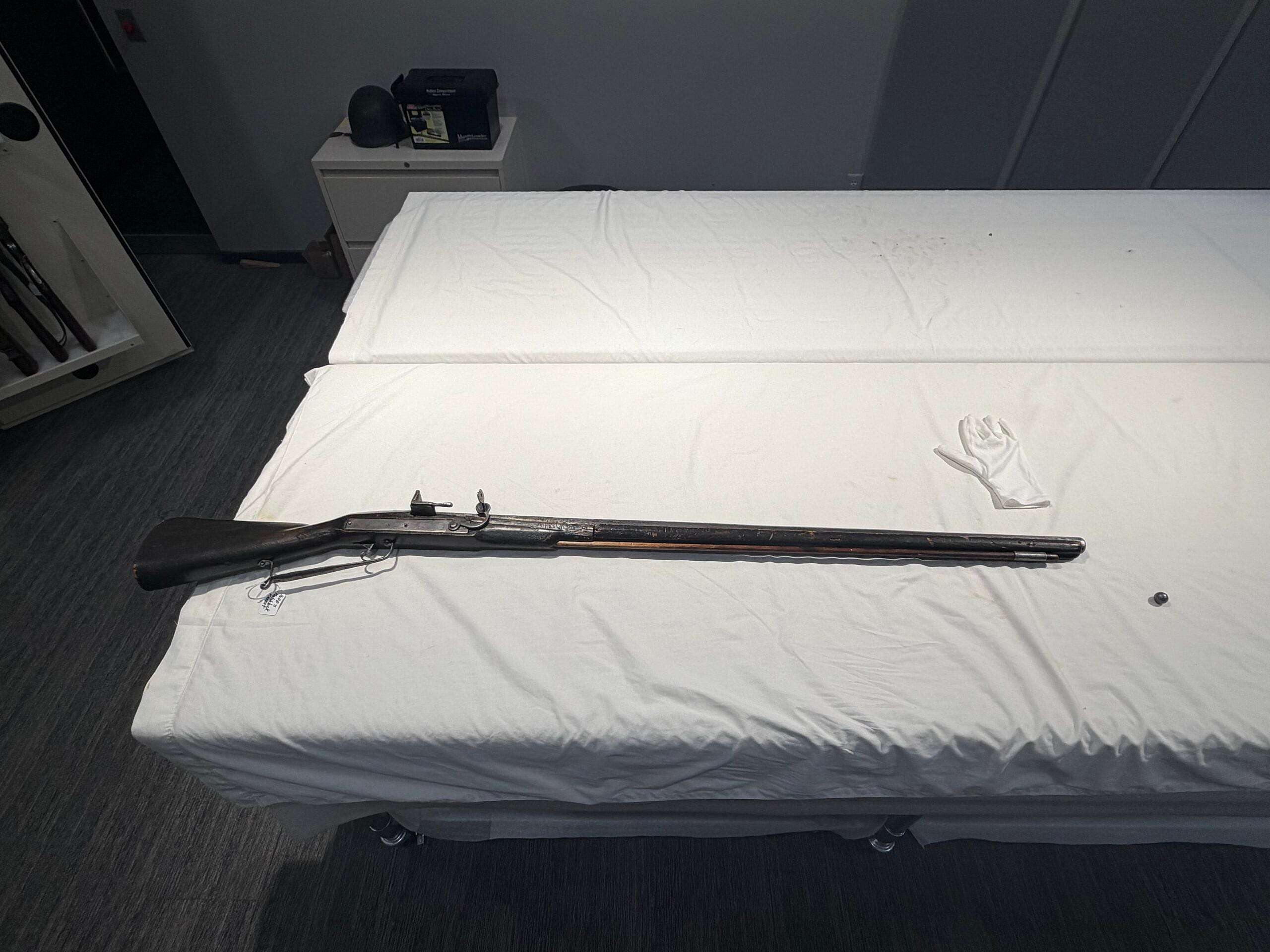
To alleviate the burden of providing these resources to arm the citizenry many of the colonies made it a legal requirement for men to own a firearm and an appropriate amount of powder and shot. Failure to maintain such stores was punishable by fine or if you were financially incapable of purchasing a weapon for yourself states came up with more innovative ways to make sure that you could pay for a weapon. Massachusetts in 1631 would indenture those who could not afford a musket to some master’s trade until they made enough money to cover the cost. In Connecticut’s Code of 1650 the poor citizens who could not scrape enough money together would be allowed to trade material goods and items with a clerk who would appraise their value and sell them the firearm, but usually at an up marked price in order to incentivize others to purchase their weapons privately rather than rely on the state to accept payment for the furnishing of arms.
These legal codes are the antithesis of what someone might expect today or even in the past. Rather than a relaxed legal system that “didn’t need to make laws because everyone was armed” the systems of colonial America made a penalty to be unarmed and would wield legal force to punish those who had failed to maintain a working firearm. Militia officers were expected to make sure that their citizen soldier’s weapons were in working order by inspecting the weapons in their own homes monthly, with financial and criminal punishments for those who shirk their duty to the community.
In our contemporary times many consider concealed carry to be the most proper way to carry a firearm in public spaces. Citing that by being concealed you are not drawing attention to yourself and being courteous by not displaying your arms for the people who might not wish to see them, along with being conscious of where carrying a firearm would be illegal. In contrast, colonial society would have culturally found the practice of concealing a weapon to be distasteful. As for what good reason would a god-fearing man need to hide his weapons? Within colonial society there were even ordinances that mandated that able bodied men bring their guns to public functions such as any public assembly or even to church as to ensure that the people were safe even on the Sabbath. And over the years of colonization the ratio of armed men at church would fluctuate due to wars demanding more armed citizens during the church service or relaxing standards in peace time. Many colonies also mandated that travelers and merchants be armed on the roads between towns and cities as to ensure their protection and that their products, and guns for that matter, are not stolen from them by brigands and the natives. To not show up to church armed when called to or any other public function would be punished by a fine in times of peace or by hard labor in more critical times of war. To be armed to protect the community was a perpetual duty for the people of a given town or city as conflict could spring at any time and with no assurance of quick reinforcement from other towns first contact would always come down to how ready the militia was at any given moment.
However different the laws between our modern day and that of our colonial ancestors were there was still one set of laws that both the contemporary marksman and the colonial settler can discuss without anything lost between them. That being Hunting licenses. Even as far back in 1632 Virginia enacted several ordinances establishing the deer season arguing that overhunting had depleted the population to critical levels. Virginia would even go so far as to outright ban the hunting of deer in 1772 due to mass hunting in the winter with dogs which had driven the deer population away noting that “numbers of disorderly persons… almost destroyed the breed, by which the inhabitants will… be deprived of that wholesome and agreeable food”. The ban would not be lifted till August of 1776. For most other game such as wild hogs and fowl, the state sold licenses to hunters. But made no protection for vermin and wolves. These early efforts at wildlife conservation prove that the game warden and his watchful eye have been on American hunters since before the founding of our nation.
Over the centuries the narrative, debates, and culture that surrounds the American relationship with firearms and firearms culture has undoubtably changed, but it has never left and has merely evolved as our nation has. But to know how it has changed allows us a fresh perspective on how it should move forward. And here at The Buffalo Bill Center of the West with our America 250 celebration that encompasses American history as well as the Cody Firearms Museum’s, “Arms of the Revolution” exhibit that will be opening on April 17th with a special “Behind the Battle lines” event for its grand opening. For those who wish to get a deeper understanding of the exhibit or any of our museum items, consider booking an Exclusive Tour to get hands on with special items from our collections here at the Center of the West!
Don’t miss Arms of the Revolution in the Cody Firearms Museum. Exhibition opens Saturday, April 18, 2026.
Written By
Jacob Newman
You May Also Like
Inside the Reading Room: What to Know Before You Visit
Feb 12, 2026

The McCracken Research Library has a reading room that is...
Buffalo Bill Center of the West Mourns the Death of Photographer and Storyteller Ken Blackbird
Jan 07, 2026

He had a talent for narration, showering his audience with...
The Birth of the American Long Rifle
Feb 18, 2026

If any firearm were to define the colonial and foundational...
An Unsung Hero of Firearms Manufacturing
Jul 08, 2025

Photo of William Mason Credit: Kamila Kudelska Following the American...
Echoes of the Painted West: John Clymer’s Gold Train
Jul 08, 2025

John Clymer (1907 – 1989). "The Gold Train," 1969 –...
Research Made Easy: Exploring the McCracken Research Library’s Collections
Mar 23, 2026
Archival and library research can feel overwhelming for even the...
Brida Gafford: The Wild Life of a Rodeo Superstar
Mar 04, 2026

“So they let you dress up like a cowgirl and...
John Colter: America’s Intrepid Mountain Man
Jan 23, 2026
The Dawn of Westward Expansion Most historians agree that westward...
An Ordinary Man, an Extraordinary Legacy: Audie Murphy and the Colt Bisley
Jul 29, 2025
I may be branded by war, but I will not...
Why These Objects? A Closer Look at the Buffalo Nation Spotlights
Jan 29, 2026
As the opening of the Buffalo Nation spotlights approaches, a...
Sheep Wagons and the Shaping of the American West
Feb 17, 2026
A lone shepherd on Wyoming’s high plains awakens to the...