
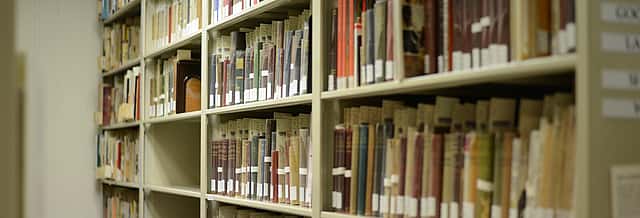
Research Made Easy: Exploring the McCracken Research Library’s Collections

March 23, 2026
Archival and library research can feel overwhelming for even the most experienced researchers. Everyone from family historians, students, writers, and lifelong researchers all start somewhere, so if you’re feeling unsure as you begin your research journey, you’re in good company.
The McCracken Research Library is a welcoming research library dedicated to preserving and sharing the rich stories of the American West. Our staff enjoy working with curators, scholars, students, writers, and filmmakers to explore Western history in all its complexity. We’re proud to house extensive collections of original manuscripts, rare books, maps, and historic photographs.
At the McCracken, we understand that the way the West has been imagined often matters just as much as what actually happened. By supporting new research and fresh perspectives, we aim to bridge the gap between myth and history, helping keep the legacy of the American West alive and evolving.
And while there are no secret handshakes or code words required to use our collections, there are a few helpful ways to get started. In this guide, we’ll walk through how to explore our resources, request materials, and make the most of your research time, whether you’re visiting in person or working from afar.
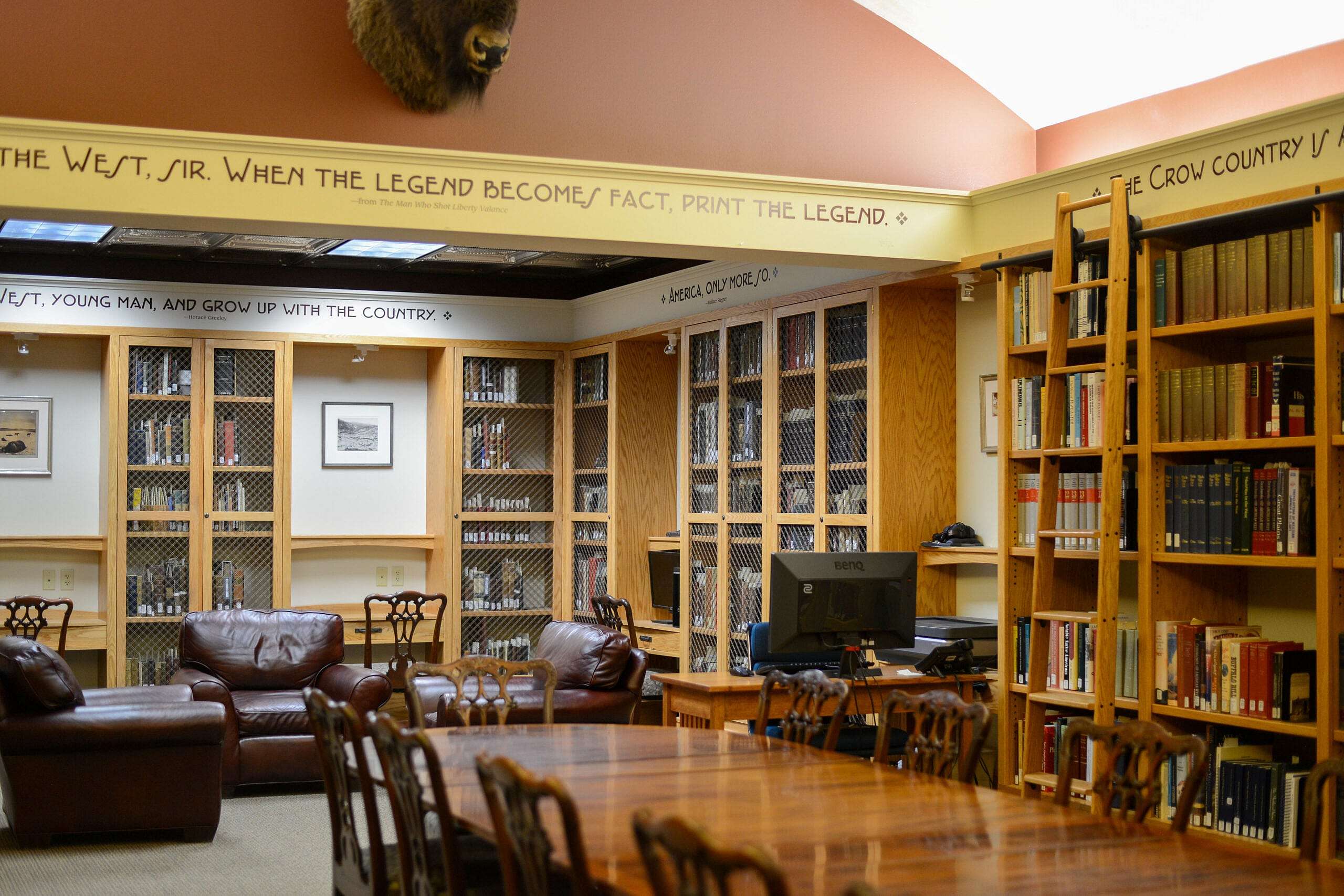
What is the McCracken Research Library?
The McCracken Research Library is truly the heart of the Buffalo Bill Center of the West. Our collections connect all five museums in the Center by documenting the people, places, ideas, and stories that continue to shape the American West.
Our collections span a wide range of formats and topics, giving researchers many ways to approach Western History. Between the library and the archive, we collect a broad scope of materials that focus primarily on topics and themes found within the five museums of the Center of the West. While the museums focus on objects and artifacts, we collect manuscripts and personal letters, historic photographs, rare books, library books, maps, and a wide variety of ephemera including letters, programs, diaries, ledgers, and other materials never meant to survive history.
If you’re unsure if your topic falls within our collection scope, that’s completely normal – some of the most rewarding research we’ve seen starts with curiosity rather than certainty. Exploring our collections often leads to unexpected connections, new questions, and discoveries you didn’t know you were looking for.
Western history is broad, layered, and interconnected. If your research topic touches on people, place, memory, or myth in the American West, there’s a strong chance the McCracken’s collections have something that will surprise you.
Starting Your Research Online
Now that you have a general sense of what we collect, the best place to begin your research is online. Our collections are described through online finding aids and catalog records that allow you to explore our holdings without ever stepping foot in the library. These tools are designed to help you identify relevant collections, understand how they’re organized, and decide what you’d like to explore further.
You’ll use a few different online resources to search through our collections. The Wyoming Libraries Database (WYLDCat) allows you to browse the McCracken Research Library’s book collection. Our archival collections can be explored through two platforms: ArchivesSpace and ContentDM. ArchivesSpace provides detailed descriptions of our archival collections, while ContentDM is where our digitized archival materials are available to view online.
You may not have a fully formed research question yet, and that’s okay! It’s best to start your online search with general names, places, or themes. Brainstorm the people, locations, time periods, topics, or industries related to your general topic. You can always refine your search later, but starting broadly will give you a better sense of the materials we have.
Searching the Book Collection with WYLDCat
Use the WYLDCat database to search for books and other published materials within the McCracken’s collections. You’ll find monographs, edited volumes, and reference works related to each of the five museums at the Center—the Buffalo Bill Museum, Draper Natural History Museum, Whitney Western Art Museum, Plains Indian Museum, and the Cody Firearms Museum—as well as works that address the history of the American West more broadly.
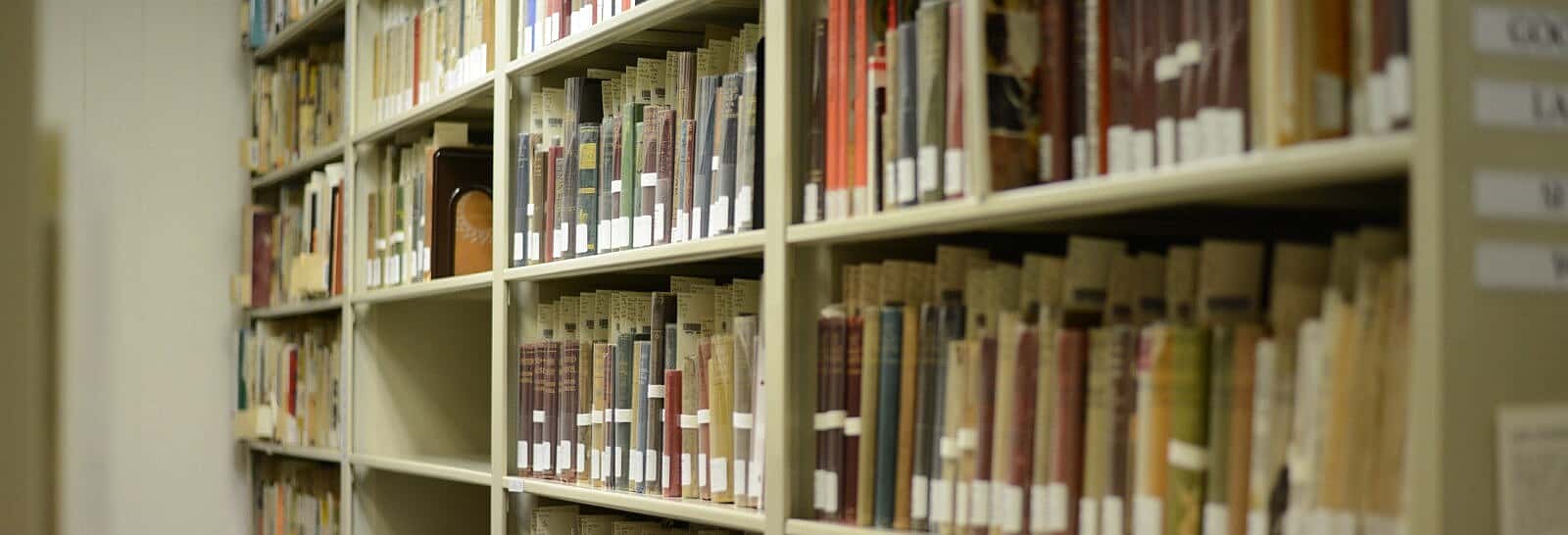
Within WYLDCat, you can search for keywords and keyword combinations as they relate to your research topic. Using subject headings can also be useful for discovering related materials you may not have considered.
Another resource you can use is our curated bibliographies, which are annotated lists on topics that can help you further narrow and focus your search.
Our book collection can inform your archival research by providing valuable context, names, dates, and terminology that will help you refine your research question and identify archival collections to explore next.
Understanding and Using Finding Aids on ArchivesSpace
ArchivesSpace is the platform we use to describe and organize our archival collections through individual collection finding aids. Think of a finding aid as a detailed inventory of a collection—part table of contents, part map. Some finding aids describe materials at the folder level, listing each folder within a box, while others go all the way down to the item level, where every individual item is described.
Finding aids tell you who created the collection or what it documents, along with relevant date ranges, a general overview of the materials, and how the collection is organized. Paying attention to this organization is especially important. When you note the box, folder, and/or series you’re interested in, it helps our Reference Assistant locate materials quickly and accurately.
At first glance, finding aids can look incredibly overwhelming, but don’t stress! Once you know what to focus on, they’re much easier to navigate.
As with most research, it’s best to start with the big picture and then dive deeper. The collection-level description is a great place to begin. Skim this section and look for keywords related to your topic. If a collection seems relevant, great—you’re on the right track. If not, simply return to the search results and try a different term.
Keep in mind that finding aids describe what’s in a collection, but they don’t display the materials themselves. If you’d like to learn more about a specific collection or see its contents, you’re always welcome to reach out to our team at [email protected], and can help guide you through the next steps.
Quick Tip: If your search terms aren’t turning up the results you want, try searching within a specific collection instead of across all collections at once. Sometimes a term is too narrow for a general search to catch it, but focusing your search within a single collection can yield better results.
Exploring Digitized Materials with ContentDM
ContentDM is our platform for accessing digitized archival materials. While not every collection is digitized, this tool is a great way to preview the collections you’ve been exploring in ArchivesSpace.
You can find photographs, videos, oral history materials, documents, and other visual materials in ContentDM. Like WYLDCat and ArchivesSpace, you can perform keyword searches to locate digital content related to your research topic.
Remember that digitized collections represent only a portion of our holdings. An item’s absence online does not mean it isn’t in the archive.
ContentDM provides immediate access to selected materials and can also inspire further research, confirm you’re on the right track, or highlight collections you may want to explore in person.
Quick Tip: If you know an item number from an ArchivesSpace finding aid, try searching that number in ContentDM. You may find that item available digitally, saving you a trip to the archive. You can also search through individual collections of interest within ContentDM.
Using These Tools Together
The best part is that these tools work together to help you get to the heart of your research. For example, you might start with footnotes, bibliographies, or information from books, then use what you’ve learned to explore archival collections on ArchivesSpace. Once you find a promising collection, you can check ContentDM for any digitized materials from that collection. Alternatively, you might start with a digitized photo in ContentDM and then dive into the ArchivesSpace finding aid to uncover even more than you imagined.
Experimenting with different workflows and bouncing between platforms is a great way to discover what approach works best for your research.
As you browse, take careful notes on what you’re learning—and especially record collection names, call numbers, and box/folder numbers that are of particular interest.
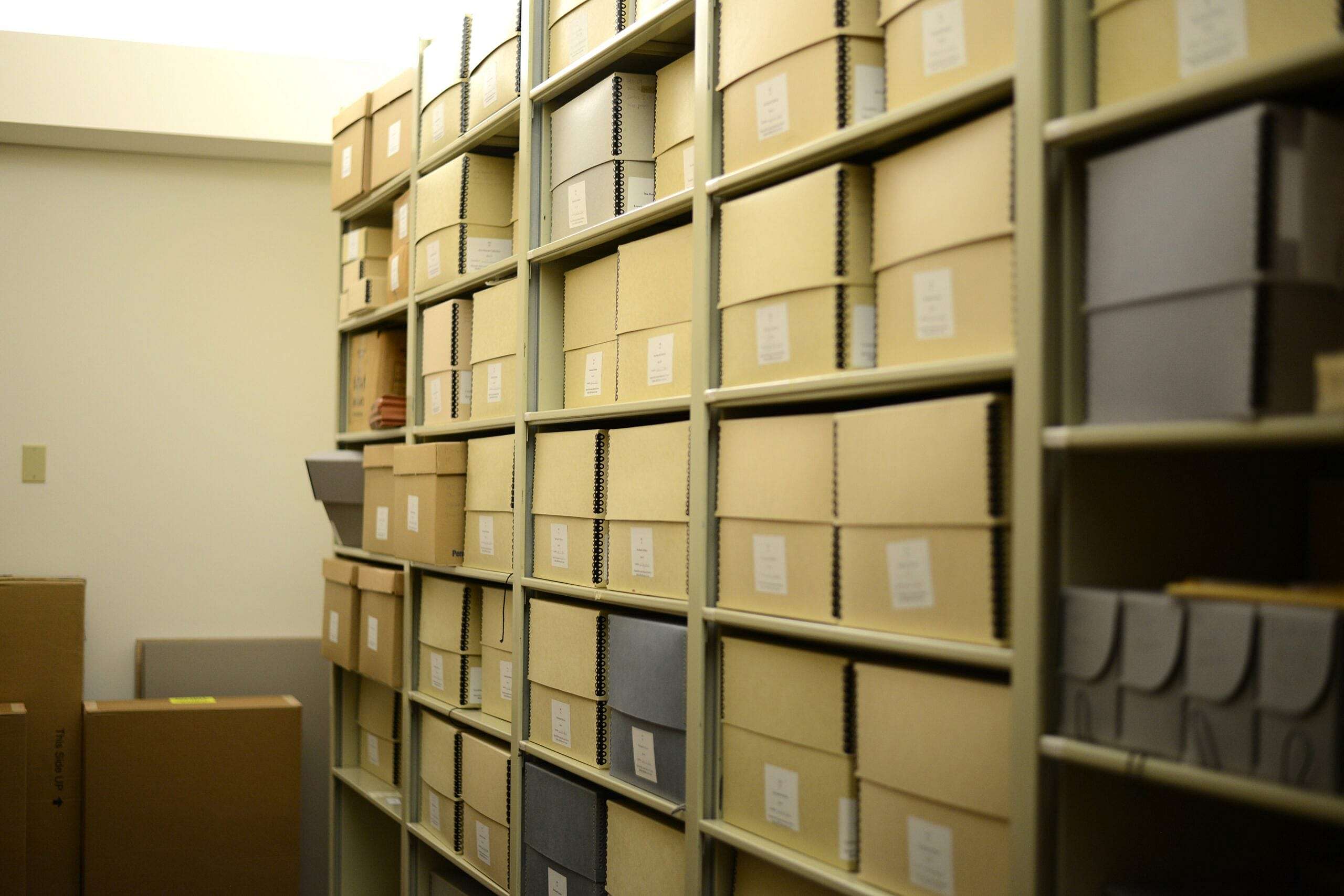
What To Do Once You Find Something Promising
Once you’ve found a collection or item that’s useful for your research, there are a few next steps you can take.
Start by saving or bookmarking any helpful pages or records. Taking screenshots or jotting notes, including full collection titles and numbers, is a great way to keep track of materials.
If the collection isn’t digitized but you’d like scans, you can request them either through our library email, [email protected], or through our Rights & Reproductions request page.
If you’d like to research a collection in person, you can schedule an appointment by email or phone: [email protected] or 307-578-4136.
For any questions about our collections or research processes, feel free to contact our archivist, Cassandra Day (307-578-4138).
Ready to Explore?
The McCracken Research Library is here to help you explore the rich history of the American West, and we encourage you to make the most of our collections—both online and in person. Don’t hesitate to reach out if you have questions, need guidance, or want to learn more about any of our materials. Whether you’re a student, writer, filmmaker, or lifelong researcher, our staff are always happy to help you connect with the resources you need and support you on your research journey.
Written By
Cassandra Day
Cassandra Day is the Archivist of the McCracken Research Library at the Buffalo Bill Center of the West, where she specializes in the preservation, interpretation, and accessibility of historical records. She holds a Bachelor of Arts in History from Georgia Southern University and a Master of Science in Archival Studies from Clayton State University. Additionally, she is a Certified Archivist through the Academy of Certified Archivists. Her research interests include World War II and Cold War codebreaking, oral history methodologies and best practices, and the exploration of regional identities through rodeo. She is passionate about making archival materials accessible and engaging while preserving the voices and stories that shape our understanding of the past.
You May Also Like
Don’t Let History Live in a Shoebox: How to Archive Your Family Treasures
Sep 18, 2026

Are you the designated "historian" in your family? Do you...
Speaking in Code: Rare Winchester Telegraph Code Books
Jun 30, 2026
Among the rarest items in the McCracken Research Library’s archival collections...
The Secret Custer Letter: Rediscovering Little Bighorn at 150
Jun 02, 2026
Earlier this year, while reprocessing the MS 89 Jack Richard...
The Ultimate Wyoming Wildlife Guide: Expert Viewing Tips
Sep 28, 2026

Grizzly Flowers. Photo by Julia Cook @julia.littlelightningnature Draper Elk Wyoming...
From the Badlands to the Tetons: A 1930s Family Road Trip West
Sep 14, 2026
Long before smartphones and GPS guided travelers across the country,...
A Quick Guide to Native Bee Diversity
Oct 16, 2026

Honey Bees Are Not Native When you hear “bee,” what...
The Myth of the Fully Processed Archive
Jul 20, 2026
When you think of an archive, you probably imagine countless collections all perfectly...
Rare Book Highlights: The Original Journals of the Lewis and Clark Expedition
Oct 01, 2026

"If not for the … epic the captains scratched out...
Your #AskAnArchivist Questions, Answered
Oct 14, 2026
There are few things an archivist enjoys more than a...
Heart Mountain Through the Lens
Jul 02, 2026
Each July, former detainees, their families and descendants, gather at...
From the Badlands to the Tetons: A 1930s Family Road Trip West
Sep 14, 2026
Long before smartphones and GPS guided travelers across the country,...
The Life Style of Yellow-bellied Sapsuckers
Sep 16, 2026

Tree girdled with Yellow-bellied Sapsucker Holes © Dennis Donohue /...