
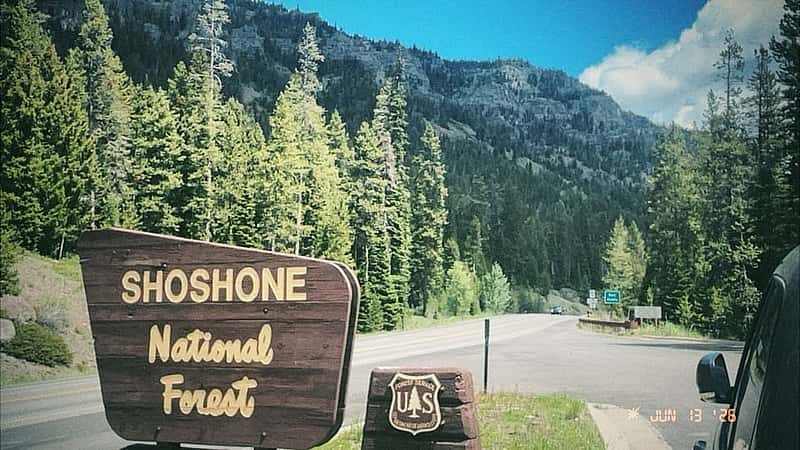
An Intern in Paradise

July 29, 2026
Hello everybody! I’m Lexi and I am working at the Buffalo Bill Center of the West for the summer of 2026 as the Draper Natural History Museum intern. Through this experience I have worn many different hats and got to experience more than I could ever have imagined! I am so grateful to the Tucker Foundation for funding this experience and to Amy Phillips and Cory Anco for hiring me to work with them this summer.
I’ll get to the internship in a bit. But first, some background about who I am and why I’m here.
Who am I?
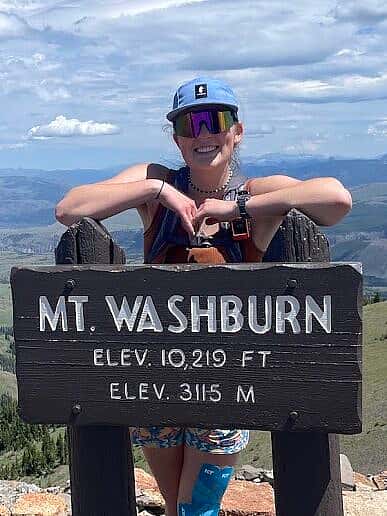
From an early age I have been fascinated with nature, the earth, and playing outside. Growing up, I was always digging in dirt and exploring my surroundings. Now I am lucky enough to do it every day for my studies. Currently, I am a student at Montana State University studying Earth Science specializing in Geology. I credit my high school Earth Science teacher, Mr. Bushey, with where I am in my education today. He instilled in me a fascination for geology and earth processes that got me excited about a career for once.
My family has always fostered a love of learning in me (I guess that’s what happens when one grandma is a teacher and another is a museum curator!). I’ve loved museums since I was young. To me, museums are a space where curiosity is born. Museums create space for people to think critically and dive deeper into these topics even after they leave the institution. This foundational idea is what inspired me to get into the field. I realized that this is how I can share my passion for earth science with other people, so I started studying museums and museum practice at school. To add a Museum Studies minor to my degree required me to find an internship in a museum, and as soon as I found that out, I had my sights set on the Center of the West.
The Internship
The observations
My time at the center has been split into three main categories: visitor surveys and observation, interpretation, and social media. Within each of these categories I have had the opportunity to push myself and grow different skill sets. I spent my first few weeks at the Center learning about and designing visitor observations. Then, I tracked what people were doing in the gallery and how long they were staying in different areas. I used this data to decide on the best layout and presentation for my surveys.
The Surveys
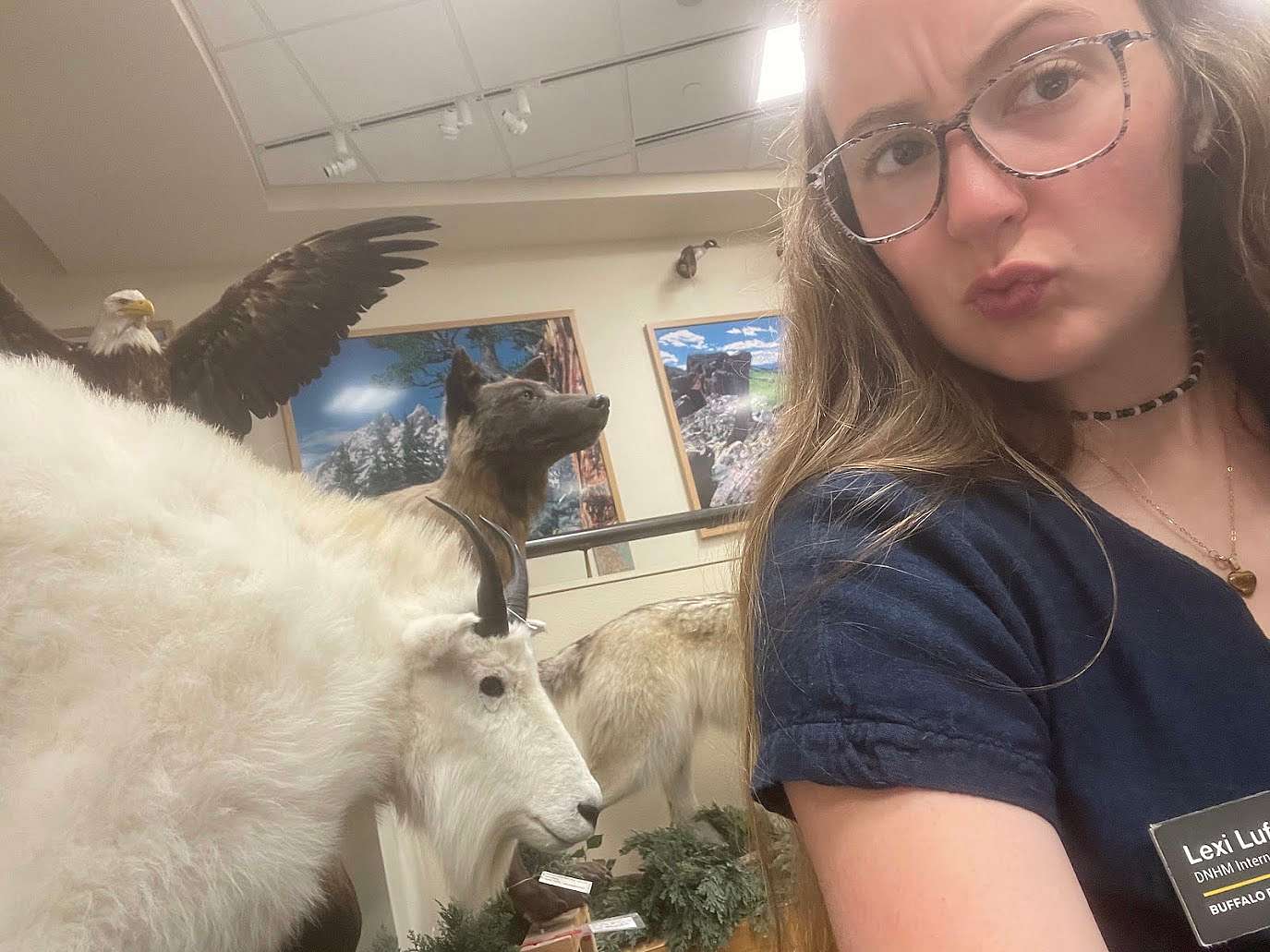
Using these observations, I ran visitor surveys to figure out what people wanted to learn more about. I created a list of topics which I felt were missing from the gallery. Then I narrowed the list down to four topics: avalanches, alpine plants, climate science, and the scientific process. Visitors could walk by and place a piece of colored paper to cast their vote. The color of the paper corresponded to a topic from the list. The winning topic? Avalanches!
The Interpretation
Over the next few weeks, I spent time researching avalanches and interpretive techniques. This helped me decide how best to present the information. I also created drafts of panels that I used later to do more visitor surveying. I learned a lot during this process, and a lot about things that one might not expect. For example, have you ever had to think about finding proper imagery that can be used and altered commercially? I did not expect imagery to be the biggest hurdle for me. It it turns out it is not as easy as I thought! Through this experience I’ve gotten more adept at finding usable imagery much faster. I discovered a few treasure troves that got me through my project. (I’ll link them below).
- OpenVerse
- National Park Service flickr
- Yellowstone National Park flickr
- List of Resources from the Montana State University Library
The Sidequests
Beyond my main project, I’ve had the opportunity to produce substantial content for the Draper social media pages. Coming into this role I was looking forward to improving my science communication skills. These social media posts have been the perfect opportunity to push myself. I’ve made short-form content, like Instagram reels, and image carousels that cover a variety of topics, mainly relating to the geology of the Greater Yellowstone Ecosystem.
I also had the opportunity to work with Ashlea Espinal, the Assistant Curator of the Whitney Western Art Museum, to create a show called EarthWorks. This show has given me the opportunity to push my communication skills even further. The concept is this: I present an artwork from Whitney’s Yellowstone collection and then discuss the geology depicted in the work. My goal is to use interdisciplinary interpretation to help people view the world through a variety of lenses.
But it’s not all serious business here at the Draper. I’ve also had a bunch of opportunities to learn outside of the museum!
The Bats
On week seven I got to go out with the Wyoming Game and Fish Department to help in a bat vaccination effort run by the United States Geological Survey. For two nights I met with a group of biologists to capture, measure, vaccinate, and tag bats at the Yellowtail Wildlife Management Area just outside of Lovell, WY.
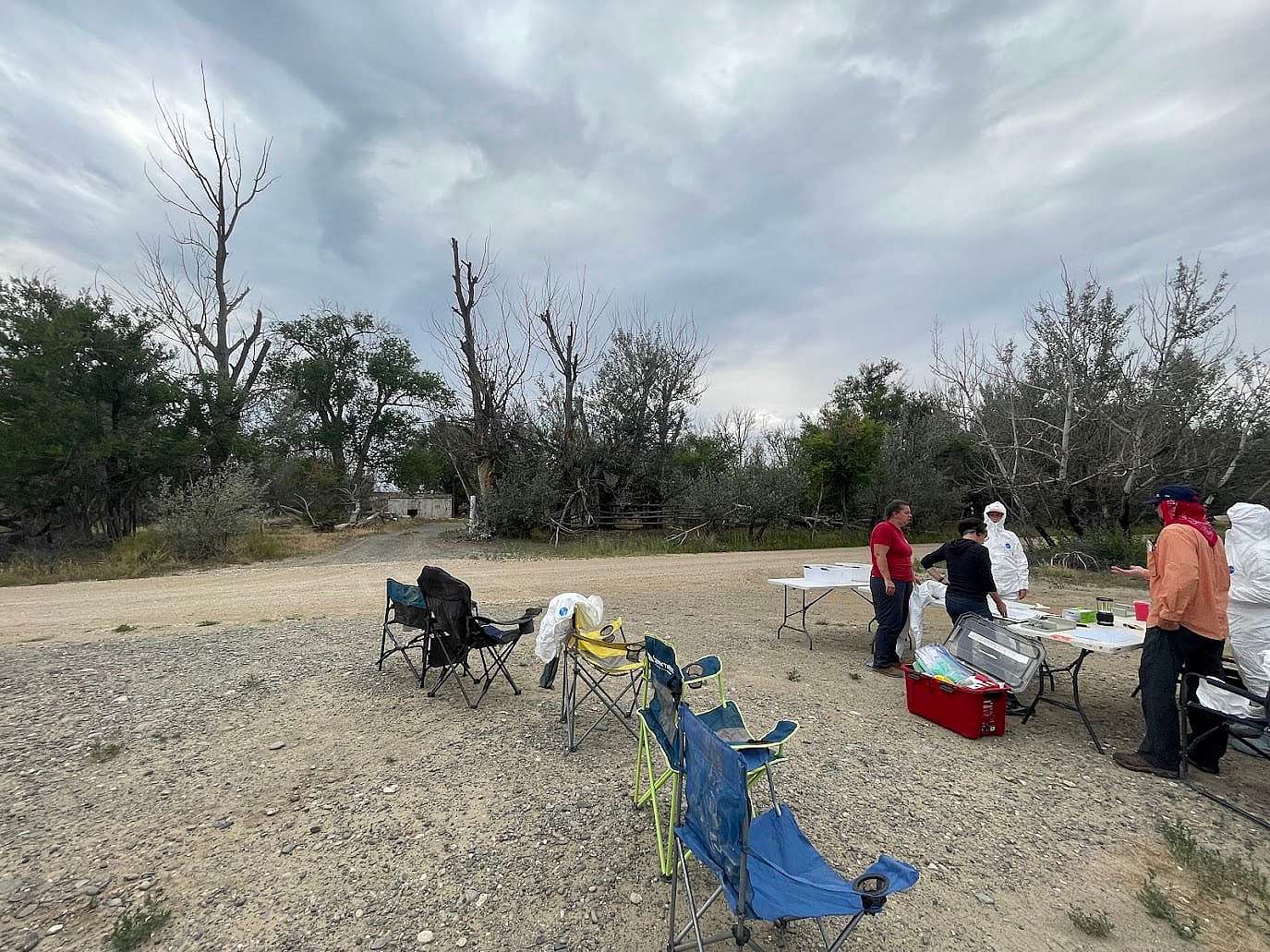
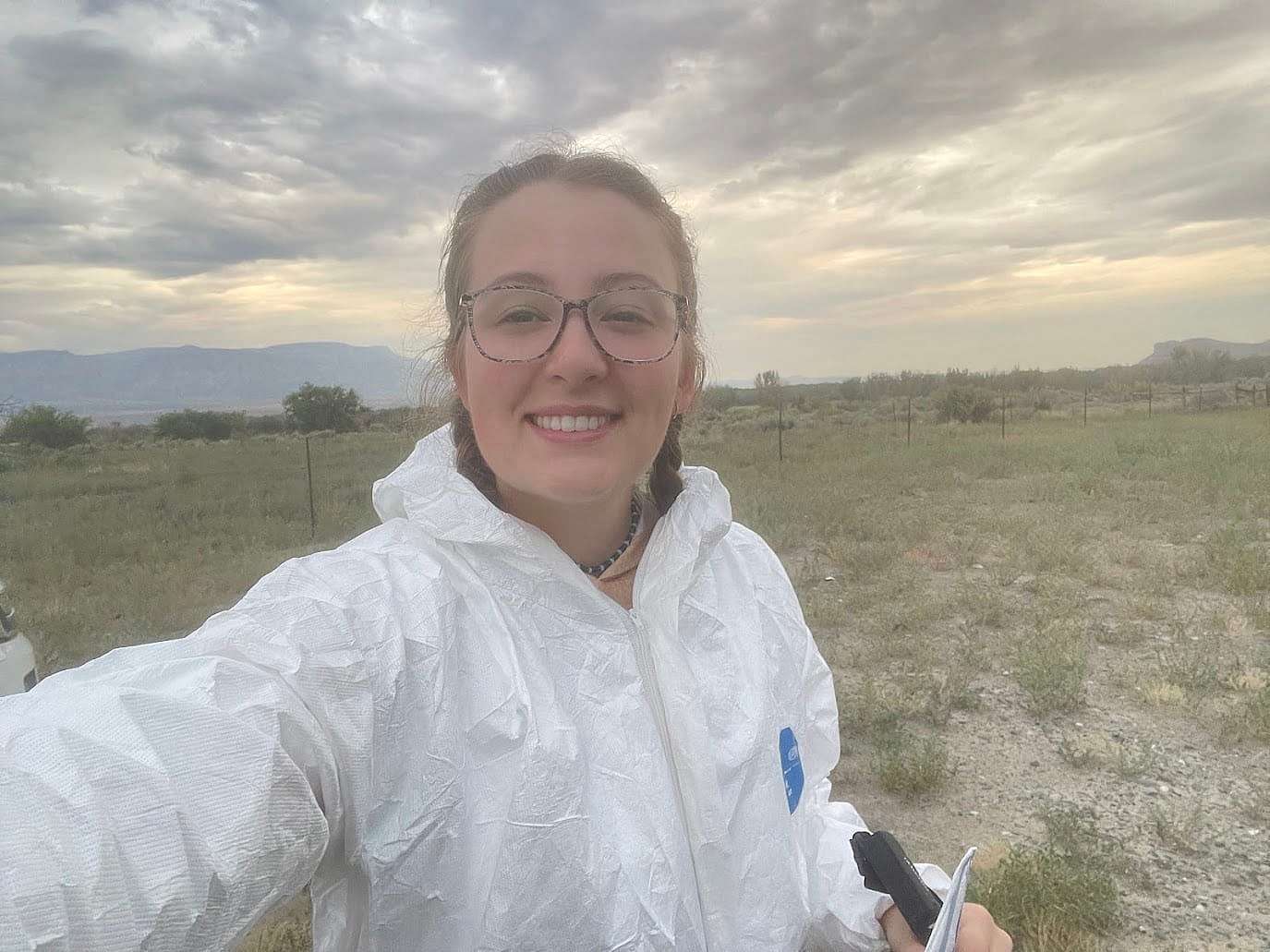
As I am not vaccinated against rabies, I was not allowed to touch any of the bats, but every one of the biologists there was happy to teach me about the bats and show me what they were looking at on each one. I learned a lot from the groups and got to talk with quite a few of them about their work and their passion for bats. I learned that during this time of year, the vaccine is primarily administered to adult female bats. The group did not capture very many juvenile bats, but if they did, they were vaccinated regardless of sex. I learned this was because female bats respond the best to the vaccine when they are at their maternity roosts in the summer. It is remarkably interesting that the bat’s response changes throughout the year!
The Beetles
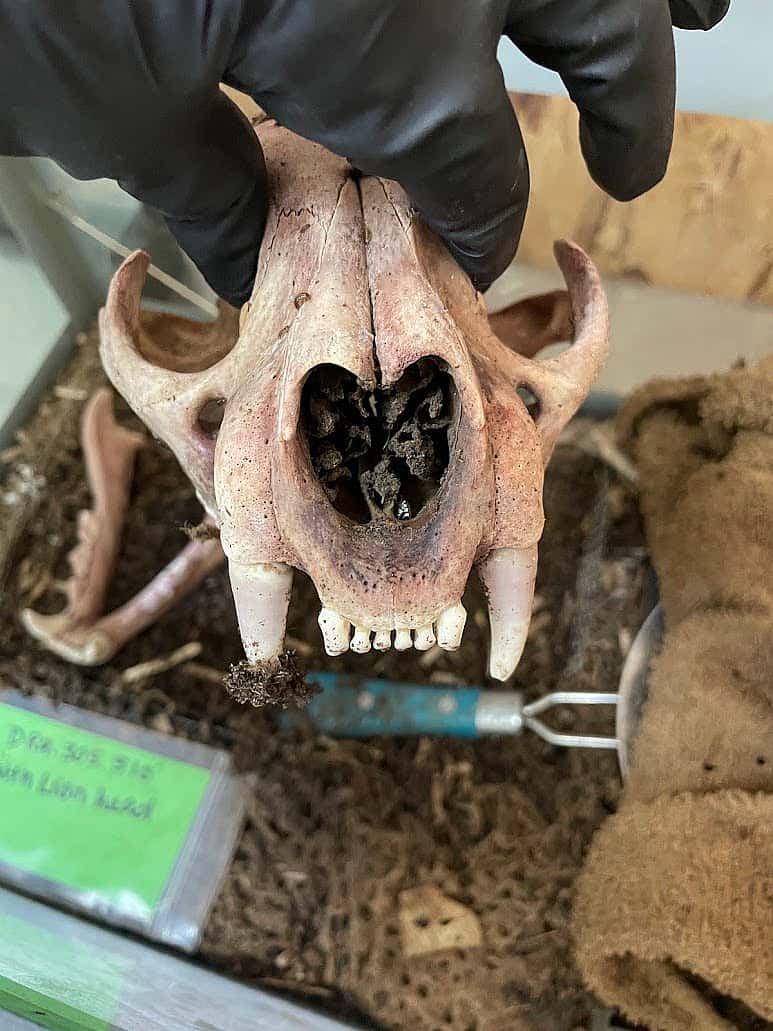
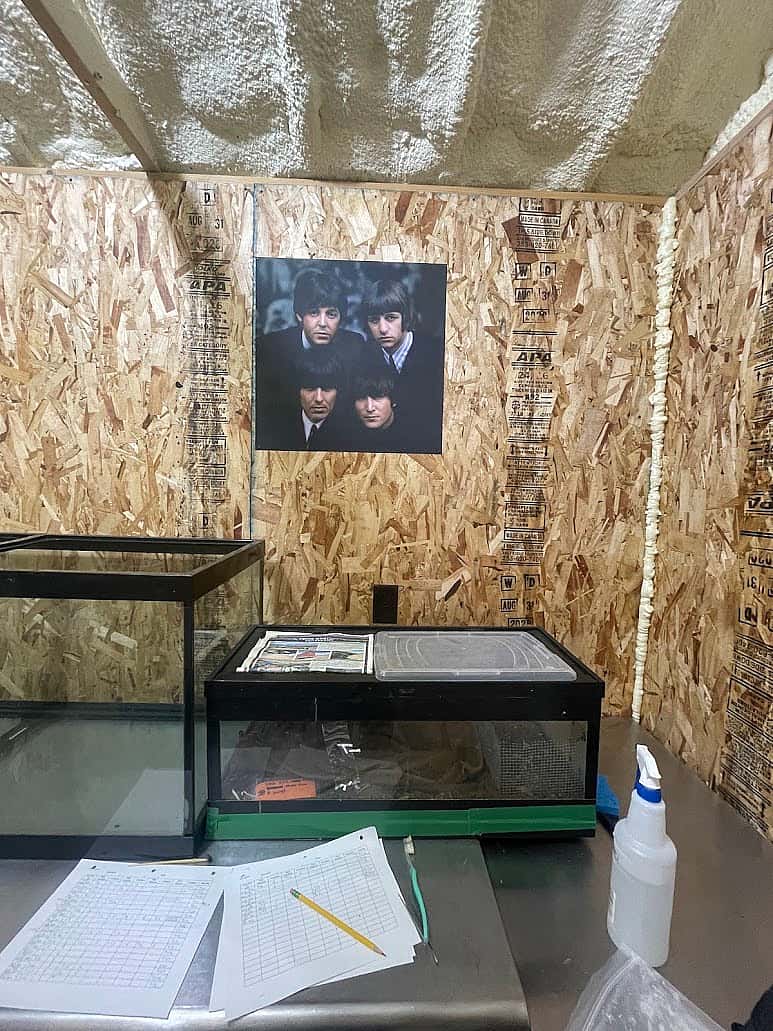
Unfortunately for me, these were NOT the John, Paul, George, and Ringo Beatles that I was hoping for! While technically still something I did in the museum, it was outside of my comfort zone. So, what are “the beetles”? Well, the Draper museum has a colony of dermestid beetles, which helps us prepare and clean specimens for our research collection.
Dermestid beetles, otherwise known as skin beetles or carpet beetles, are bugs which scavenge and eat the flesh of dead animals. Once volunteers clean the specimen, it is taken to the “Beetle Bungalow” behind the museum building. Because an infestation of dermestids would be catastrophic to every artifact in the museum, the beetles are kept in a separate building outside.
Each day I go to check on the beetles to see how far along they’ve gotten on the specimen they are cleaning. I fill their humidifier and make sure the climate control is up and running. Then I open their tank to spritz the current specimen with water. Once they have cleaned a specimen, I take the bones out and brush all the beetles back into their tank, placing the cleaned bones into the freezer. Then, I choose the next specimen for them and the cycle repeats!
They freaked me out for a long time, but I’ve started to come around to the idea. The work they do for natural history museums and taxidermists around the world cannot be downplayed, and it is just neat to do something I never pictured myself doing.
The Pinyon Jays
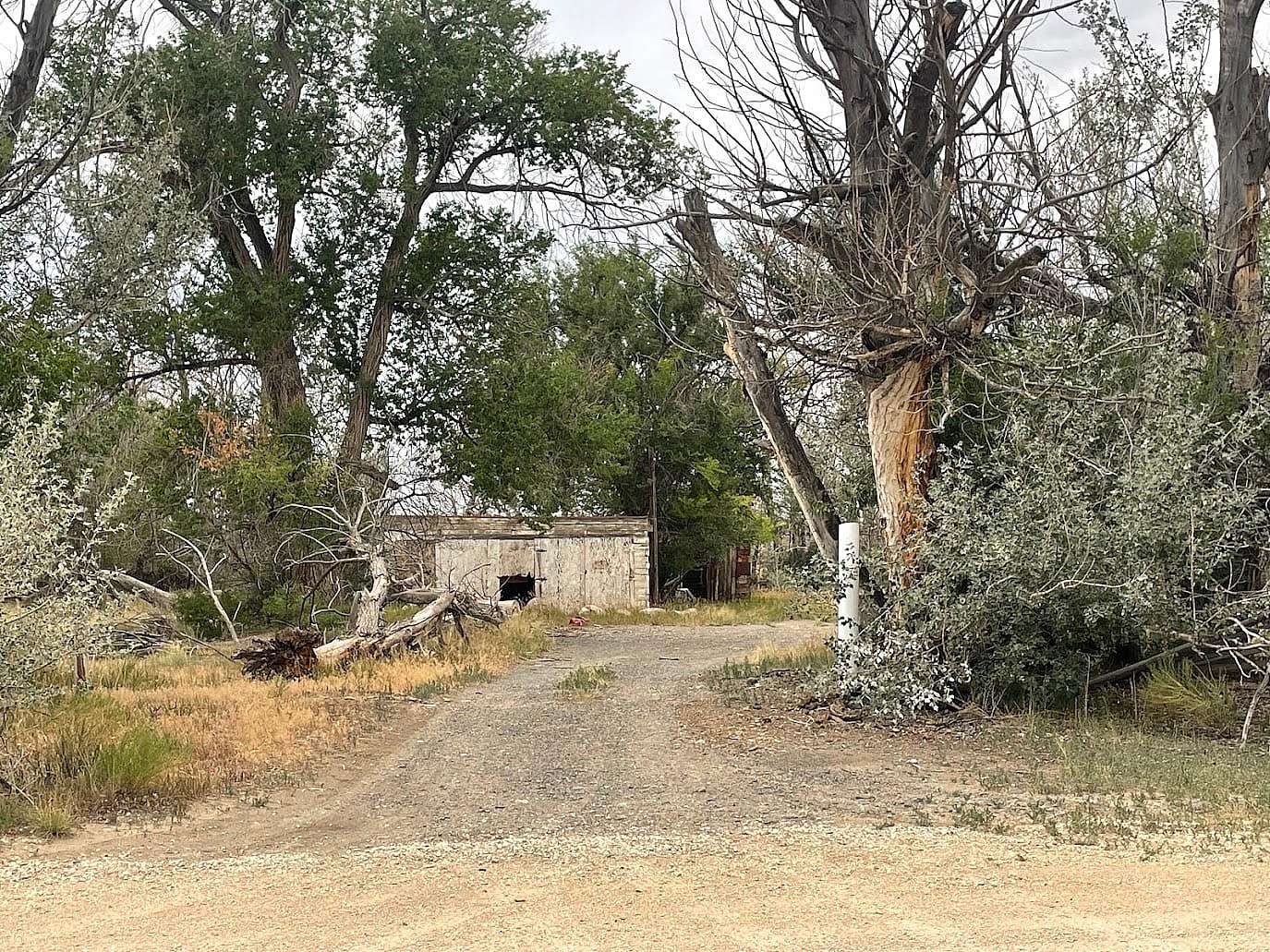
I had the opportunity to head into the field with the Pinyon Jay team to collect a nest that the techs found. We loaded up bright and early that morning and drove out to the reservoir to hike into the field area. The weather was perfect, and the views were incredible. We walked up the south side of Cedar Mountain into the limber pine forest where Jays nest. On the way, we were surrounded by wildlife: ospreys, hawks, cicadas, we even saw a rattlesnake (much to my dismay).
As soon as we reached the field area, others started shouting out that they were finding nests. I followed Amy to a tree where she had seen one and spent a good amount of time looking, never actually seeing it. Once she pointed it out to me, Amy said something to the effect of “It’s difficult because you’re looking for a pile of twigs within another pile of twigs!” The team collected the nest and two non-viable eggs and brought them back to the museum.
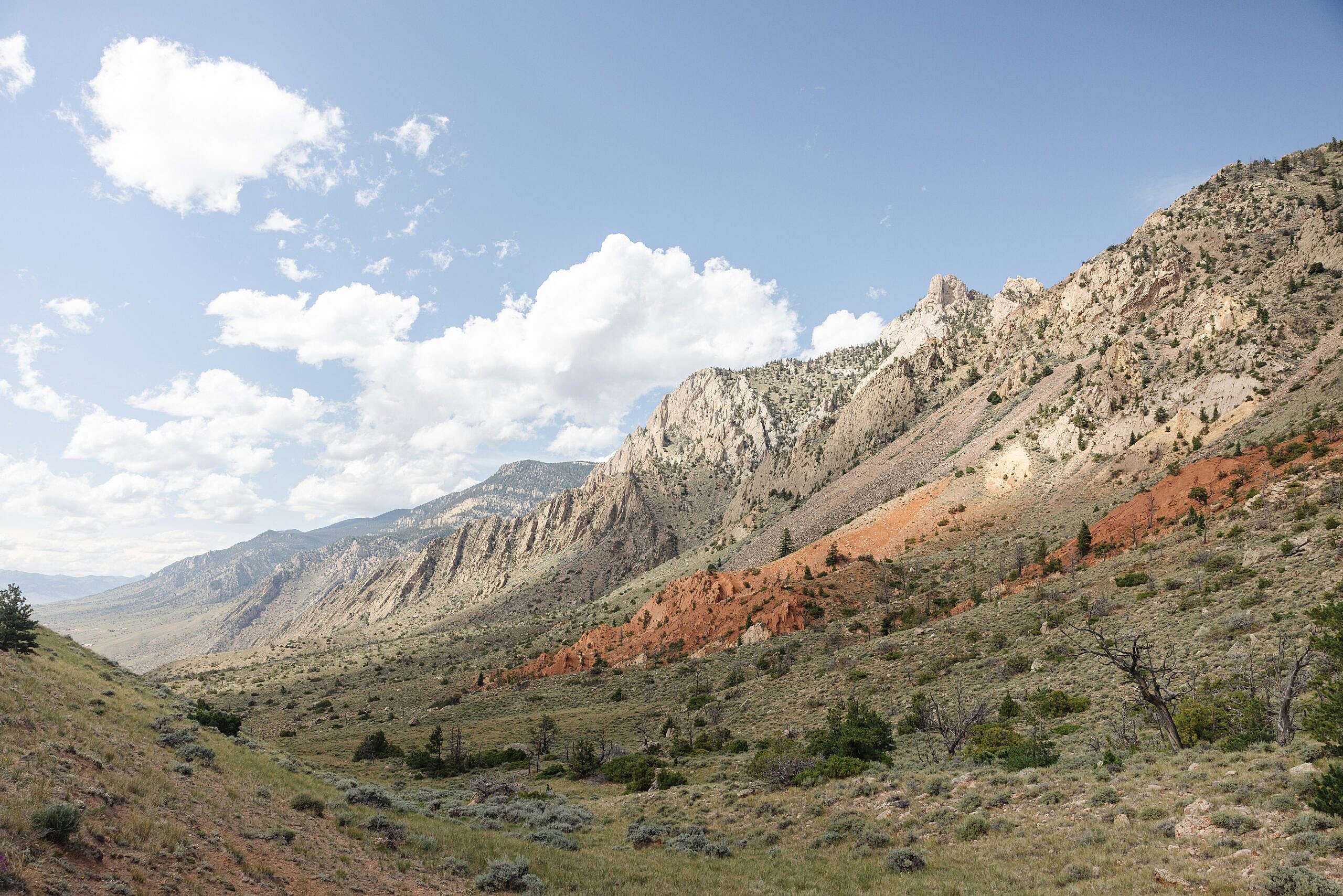
Through this whole experience I couldn’t help but look at the incredible geology surrounding the reservoir. Cedar Mountain and Rattlesnake Mountain display mountain building activity from the Rocky Mountain Uplift. It is amazing to think about how this 70-million-year-old geologic structure is supporting the landscape and ecosystems on the surface today!
The Future
I am so grateful that I had the opportunity to work with the team in the Draper this summer. I’ve learned so much about museum functions, natural history museums, and interpretation. All these skills will serve me long into the future whether I end up working in museums or not! I’m so grateful to Corey and Amy for being so willing to teach me about their work and research, and for letting me tag along for various other excursions.
This internship has been everything I could have imagined and so much more. Thank you to everyone at the Buffalo Bill Center of the West and the Tucker Foundation for continuing to support prospective museum professionals through this program. My experiences here this summer have been incredible, and I hope that countless others can live this too.
Written By
Lexi Luft
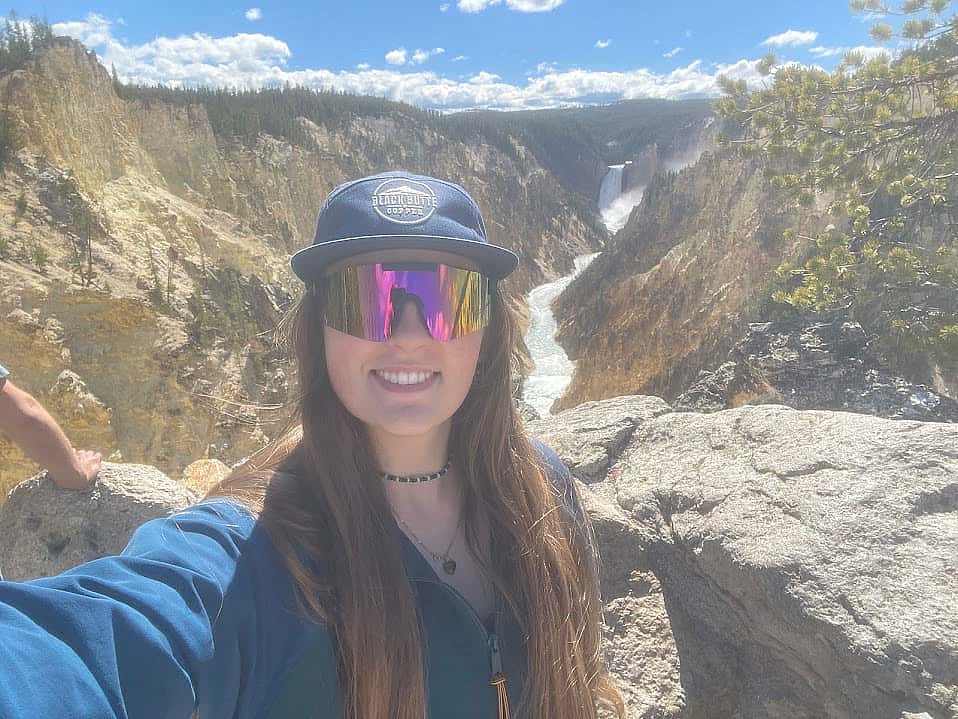
Lexi Luft is a Geology student at Montana State University and is working as the summer 2026 Curatorial Intern with the Draper Natural History Museum. Hailing from Billings Montana, she has lived near Yellowstone National Park her whole life. Through her studies, she has had the privilege to study the geology of the Greater Yellowstone Ecosystem, which has only increased her love for the area. She is passionate about the natural world and hopes to instill a sense of responsibility and respect towards it in everyone she interacts with.
You May Also Like

The Life Style of Yellow-bellied Sapsuckers
Sep 16, 2026

Tree girdled with Yellow-bellied Sapsucker Holes © Dennis Donohue /...
Before the White Man Came: Examining Native Representation in Early American Film
Aug 20, 2026

Popular films and television shows like Dances with Wolves and...
Buffalo Bill Center of the West Authenticates Trove of Historic Early 1800s Medals
Sep 08, 2026

Buffalo Bill Center of the West authenticates rare early 1800s...
Everything I Need to Know About Life I Learned From Birds
Aug 26, 2026

by Sophie Peterson, 2026 Raptor Intern As I near the...
The Ultimate Wyoming Wildlife Guide: Expert Viewing Tips
Sep 28, 2026
Grizzly Flowers. Photo by Julia Cook @julia.littlelightningnature Draper Elk Wyoming...
Rare Book Highlights: The Indians’ Book
Sep 02, 2026

"Wellnigh impossible is it for civilized man to conceive of...
The Winchester Records Synopsis, or How I Learned to Stop Worrying and Love Cursive
Aug 18, 2026

The Cody Firearms Records office produces letters from the corporate...
Don’t Let History Live in a Shoebox: How to Archive Your Family Treasures
Sep 18, 2026

Are you the designated "historian" in your family? Do you...
Ultimate Trip Guide Through Yellowstone’s East Entrance
Aug 19, 2026
Yellowstone’s East Entrance offers one of America’s most spectacular drives....
The Firearm of the Mountains: The Hawken Rifle and the American West
Jul 30, 2026

When most people imagine the “rifle that won the west”...
From the Badlands to the Tetons: A 1930s Family Road Trip West
Sep 14, 2026
Long before smartphones and GPS guided travelers across the country,...