
Your #AskAnArchivist Questions, Answered

October 14, 2026
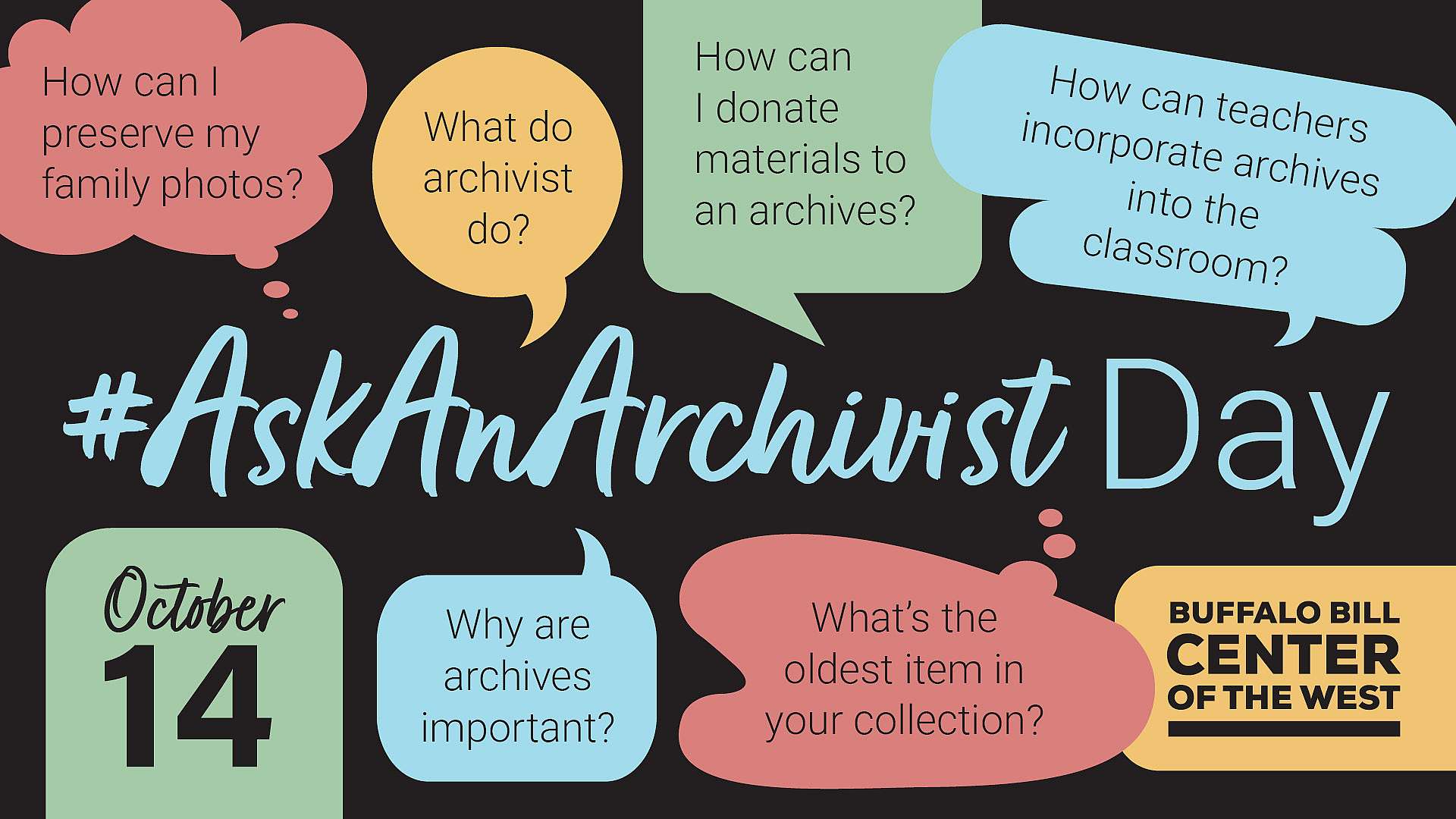
There are few things an archivist enjoys more than a good question, and few places better suited to answering them than an archive. In honor of the Society of American Archivists‘ #AskAnArchivist Day, we are opening our proverbial doors and answering a few of the questions we’re asked most often—and a few that perhaps you hadn’t thought to ask.
What does an archivist actually do?
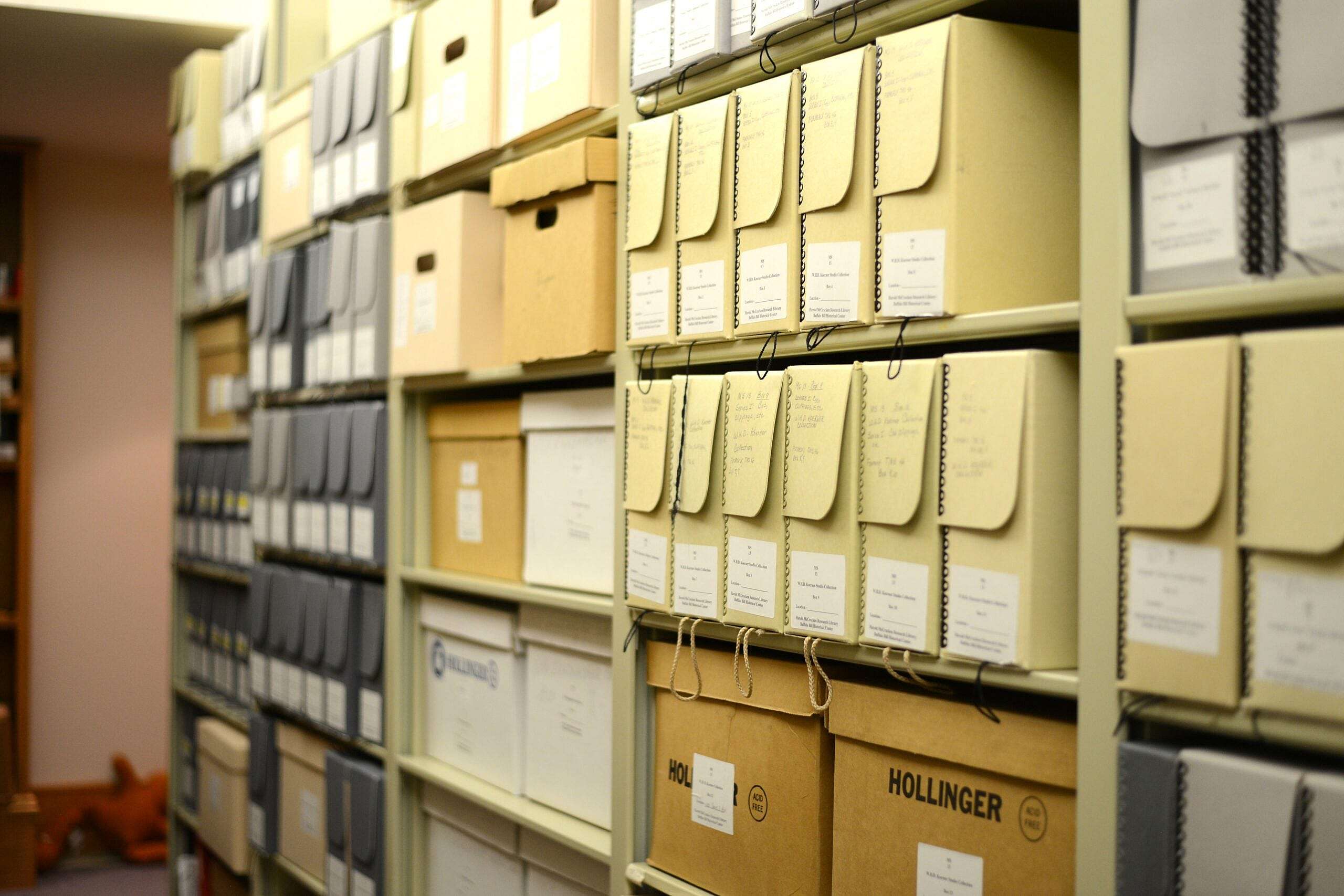
Most people think archivists simply organize old papers, but our work goes far beyond that. Think of us as part historian, part detective, and part meticulous organizer. We preserve everything from photographs and love letters to maps, ledgers, and digital files so future generations can understand the past.
Archivists also decide what has enduring archival value—in other words, what has lasting historical, legal, administrative, or evidential importance. Once materials enter an archive, we arrange and describe them so researchers can actually find what they’re looking for. That might mean rehousing fragile materials in archival enclosures, creating a finding guide, or preserving digital files before technology leaves them behind.
Want to know more about what happens behind the scenes? Read our Behind the Boxes: What an Archivist Really Does and The Myth of the Fully Processed Archive posts for a deeper look at the work that goes into preserving and making archival collections accessible.
In short, we’re not just keeping old things. We’re helping make sure the stories those things tell don’t disappear.
What’s the difference between the library and the archive?
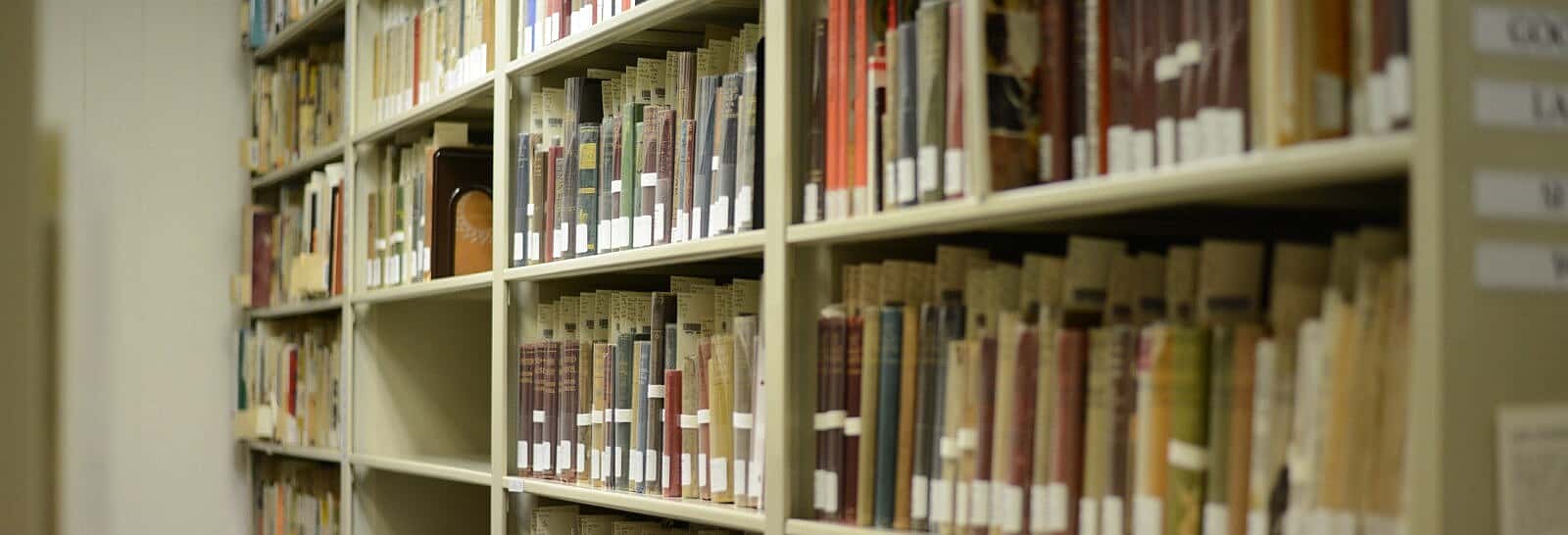
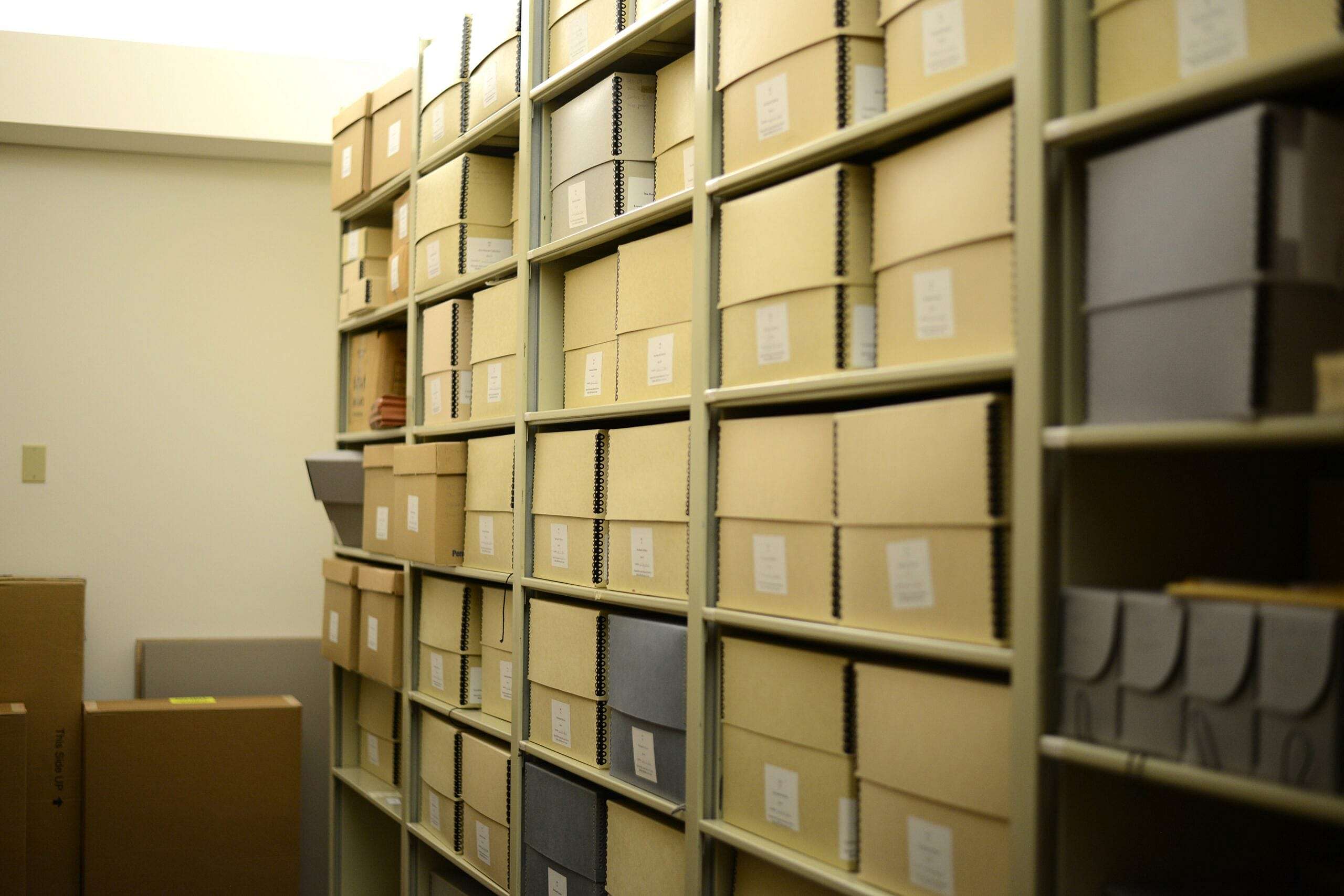
That’s a great question! The McCracken Research Library is both a library and an archive, but the materials we hold in those two areas are organized and used differently.
Our library collections include published materials—books, periodicals, and other works created for general distribution. We also have a collection of rare books, including publications with limited print runs and original or early editions of older and popular books.
Our archival collections are primarily unique or unpublished materials created by individuals, families, businesses, organization, and other groups. These collections can include letters, diaries, business records, photographs, manuscripts, oral histories, and other original records.
There are some practical differences in how you use our collections. The McCracken is a closed-stacks, non-circulating library, which means visitors can request and use books in the Reading Room, but the books cannot be checked out of the library. Archival collections also remain in the Reading Room, and a staff member is present while archival materials are being used.
At the McCracken, our books and archival collections work together! Researchers may use a published book alongside an archival collection to answer the same research question. If you let us know what you’re researching, we can help you locate the best books and archival materials for your work.
What does the McCracken Research Library Collect?
The McCracken Research Library’s book and archival collections closely support the five museums of the Buffalo Bill Center of the West. That means our collections cover a wonderfully broad range of topics related to the history and cultures of the American West.
Our collections include materials related to Buffalo Bill and his Wild West show; other major figures and shows of the American West; Plains Indian tribes; firearms and major firearms manufacturers, including Winchester Repeating Arms Company; western artists, painters, and photographers; and Yellowstone National Park and the Greater Yellowstone Ecosystem.
In short, we collect books, manuscripts, photographs, maps, oral histories, ephemera, and other materials created by or documenting the people, places, businesses, organizations, and events of the American West.
And we have a lot of explore! The McCracken currently holds more than 37,000 books and more than 630 archival collections.
Of course, collecting a subject doesn’t mean we have everything ever written about it. Our collections have developed over many decades, and some subjects are much more extensively represented than others. If you’re researching a particular topic, it’s always worth asking us what we have.
You can view all our cataloged archival collections and their associated finding guides here.
Does your collection have everything I’m looking for?
Not necessarily! This is one of the most important things to understand about archival research. Having a collection about a person, place, organization, or subject does not mean we have a complete record of it. Archives are shaped by what people created, what they chose to save, what survived over time, and what eventually made its way into our collections.
For example, we might have a collection documenting a particular reservation, but that doesn’t mean we have every photograph, letter, financial record, or newspaper article connected to the reservation or the people who lived there. We might have extensive material about a person, but nothing from a particular period of their life.
In other words, finding a collection about your research topic is a great place to start, but it is not a guarantee that we’ll have exactly what you’re looking for. When that happens, our staff are happy to help researchers identify other repositories or resources that might hold material we do not have.
What’s the coolest thing in your collection?
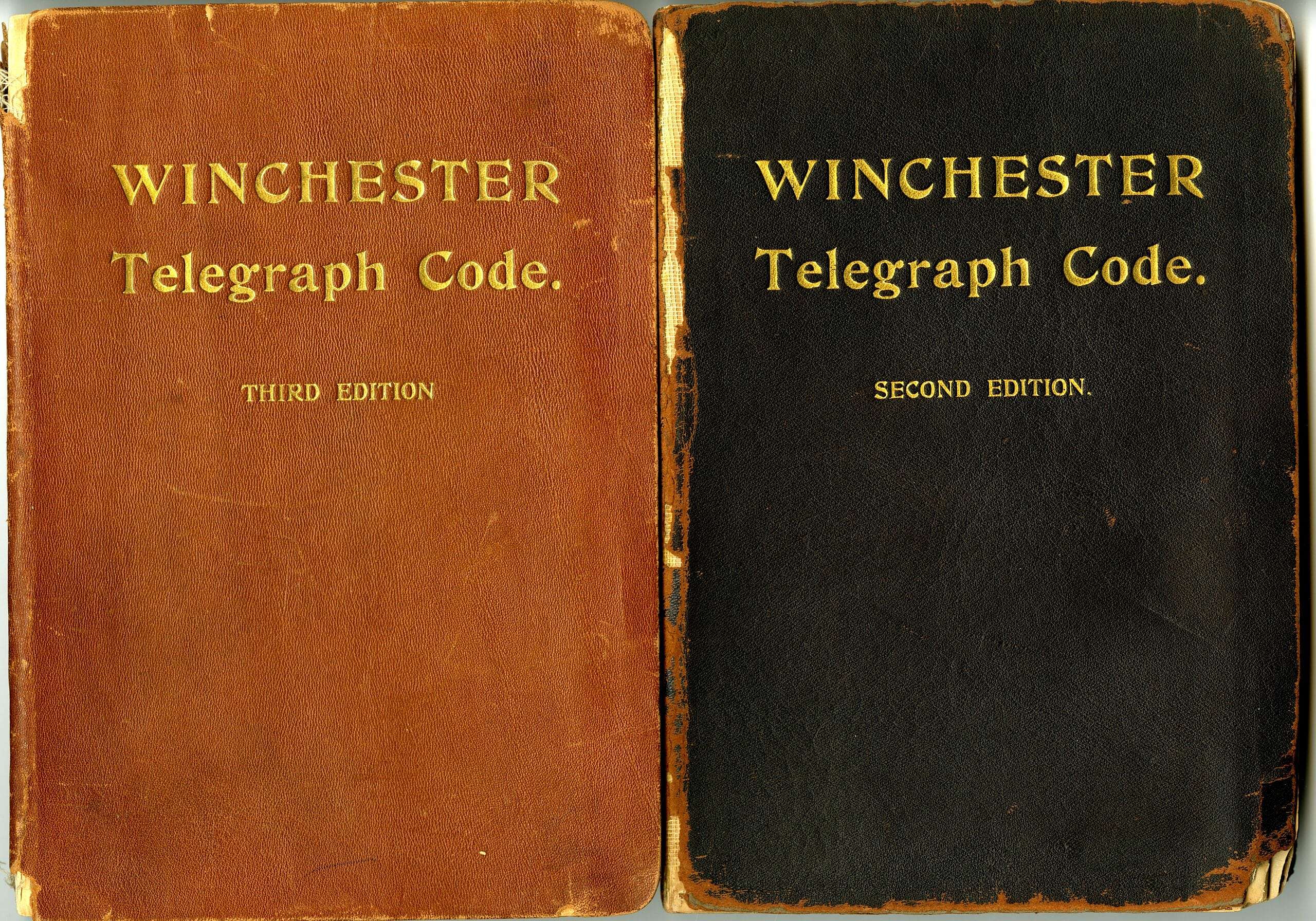
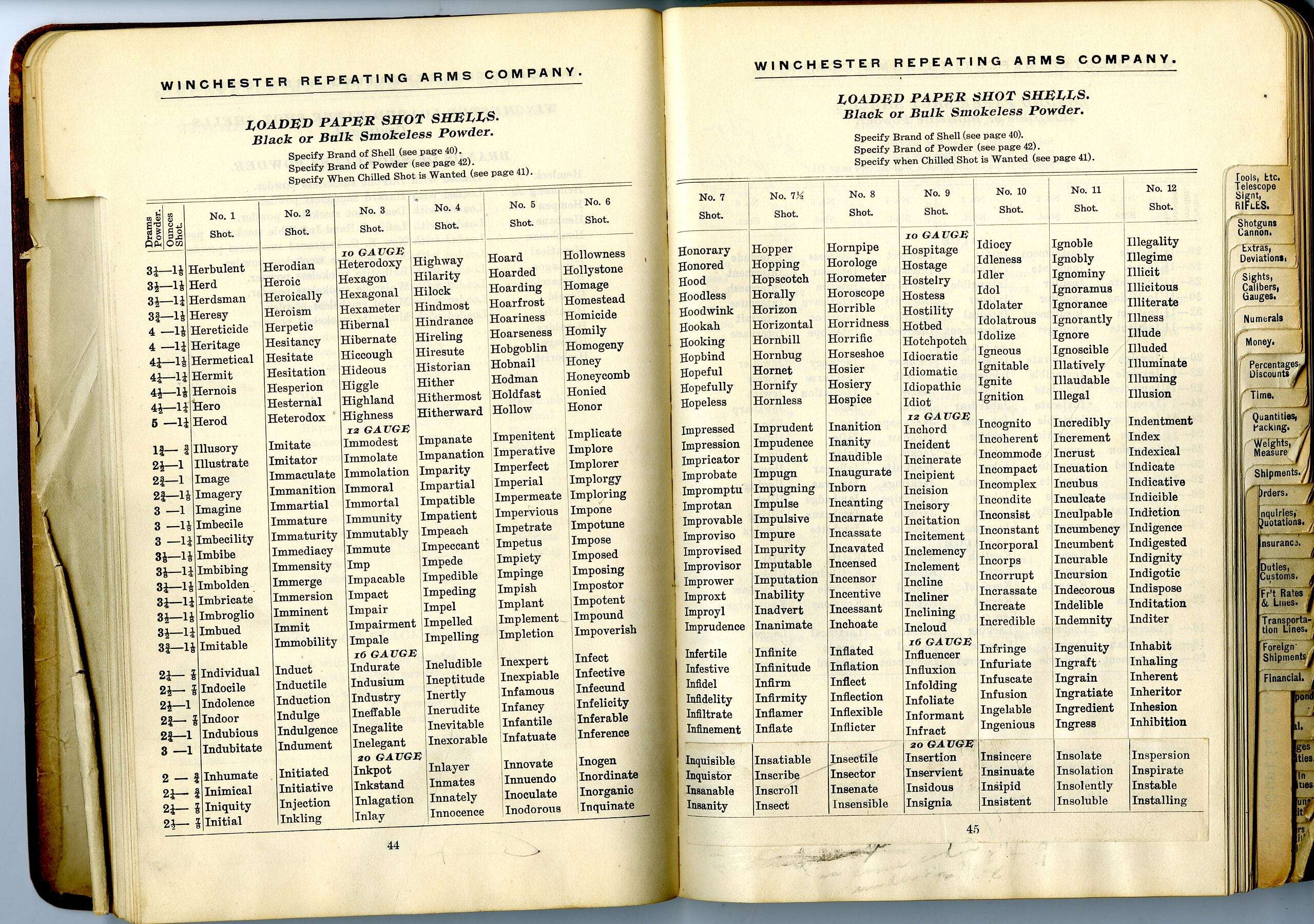
This is a very subjective question, and as an archivist, I can acknowledge that my answer is biased toward my particular interests. Out of all 632 collections (and counting) in the McCracken’s archive, I think the Winchester Telegraph Code Books are hard to beat.
At first glance, these three little books from 1905 and 1909 don’t look particularly exciting. Inside, however, they contain a coded language that Winchester used to communicate orders, shipments, prices, and other business information by telegraph. A single code word could represent an entire business instruction, saving the company money on telegraph charges.
Even better? Winchester instructed users to destroy outdated editions to prevent miscommunication—which helps explain why surviving copies are so rare. The McCracken Research Library holds three of them, making our little collection particularly special.
Want to crack the code yourself? Read Speaking in Code: Rare Winchester Telegraph Code Books to learn more about these fascinating little books and even try your hand at deciphering a Winchester message.
Can I donate materials to your archive?
Absolutely—but we aren’t able to accept walk-in or unsolicited donations, so please consult library staff before bringing anything in.
The McCracken Research Library collects books, photographs, manuscripts, and other archival materials that help document the history of the American West. If you have something you think might be a good fit, send us an email and tell us about what you have. We can talk with you about the materials, our collecting interests, and whether they might be appropriate for the collections.
Before donating your materials, there are a few things you should consider. One is that not everything can, or should, be added to an archive. We carefully consider what materials will have lasting research or historical value and how they fit with the collections we already have. Another consideration is that library staff cannot appraise your collections. If you are considering a donation for tax purposes, you’ll need to arrange an independent appraisal.
Thinking about donating something? Start by sending us an email with a few details about what you have. You don’t need to know exactly what collection it belongs in or whether it’s “important enough.” That’s what we’re here to help you figure out.
How can I preserve my family photographs?
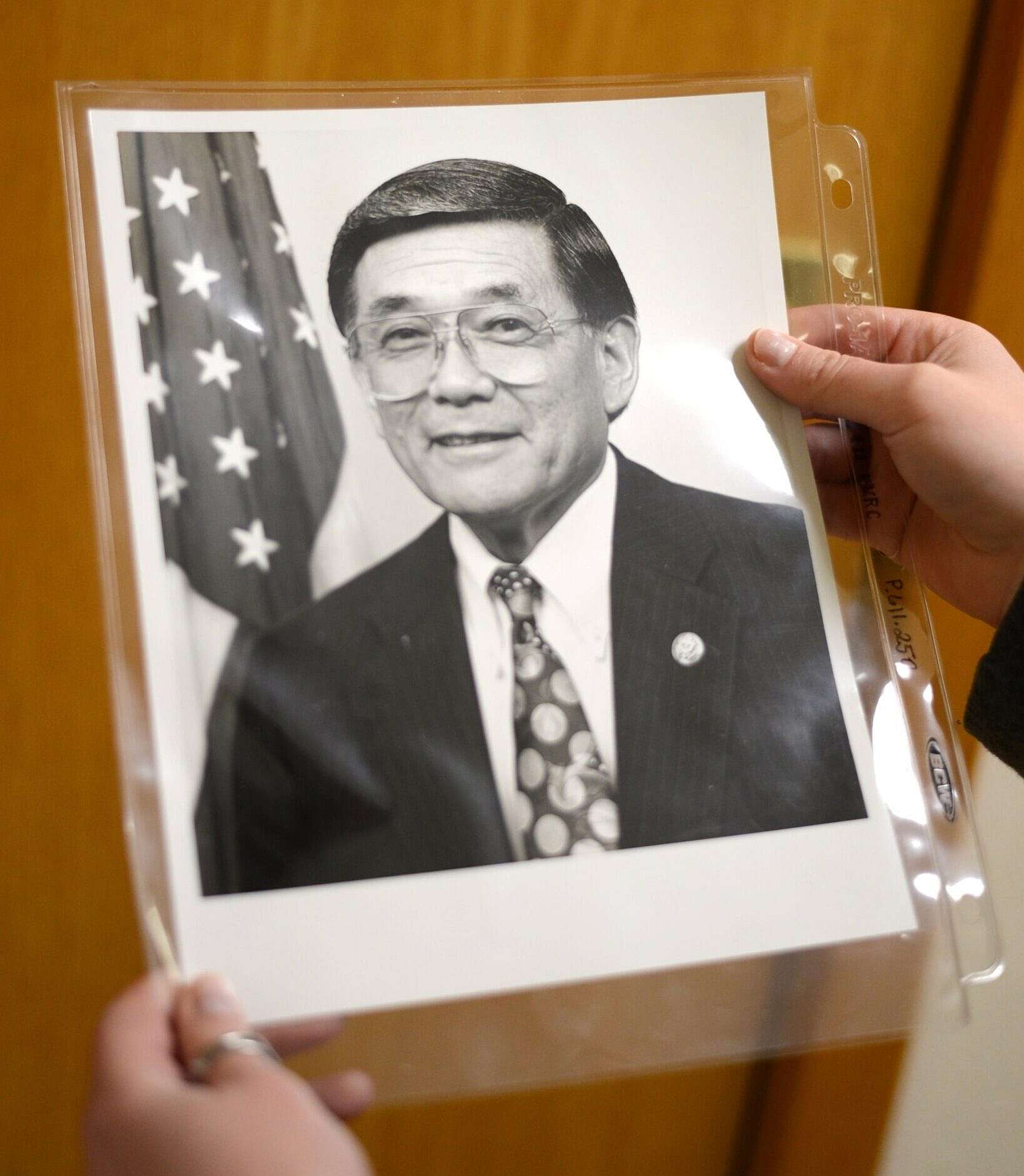
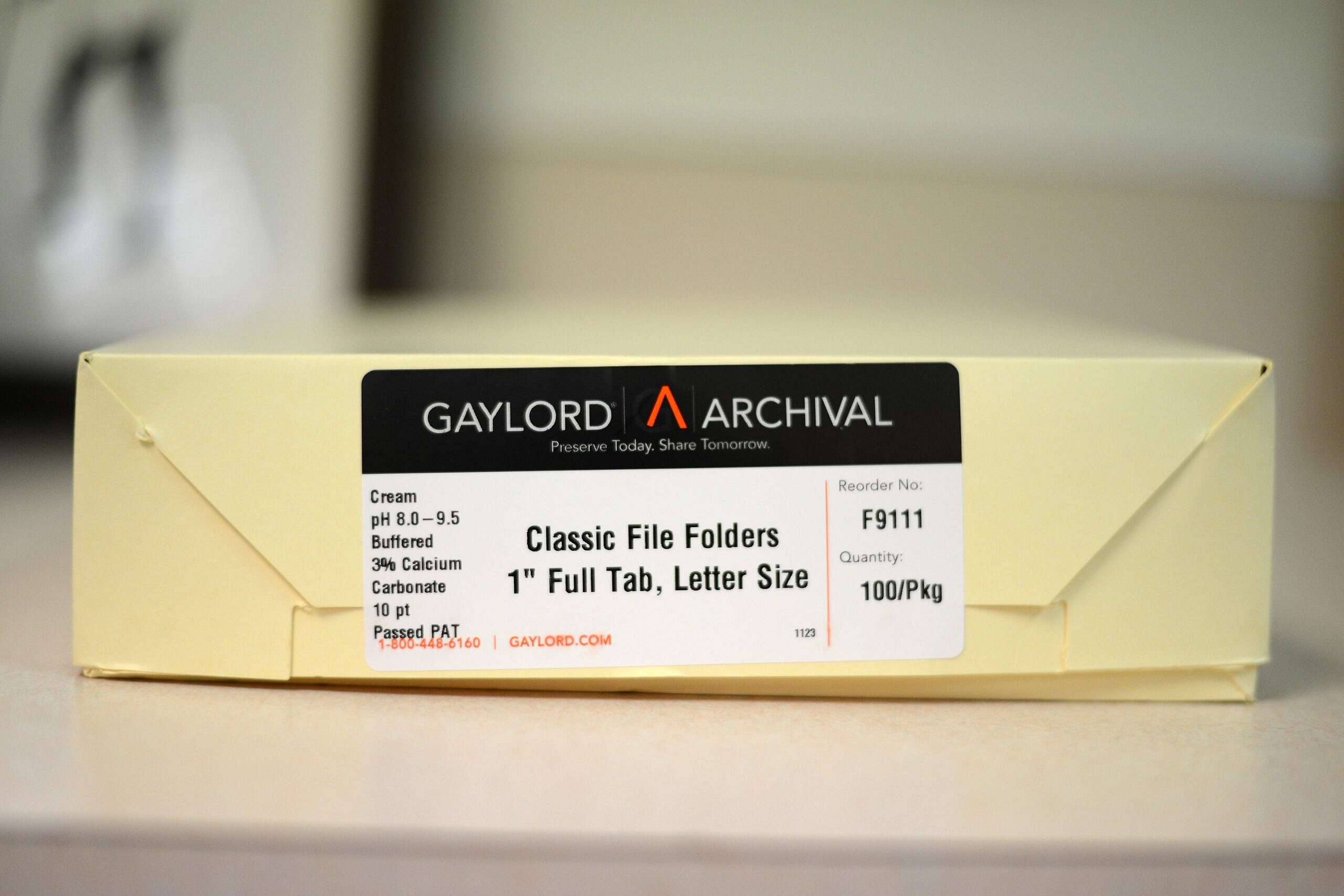
First: get them out of the attic. Heat, humidity, moisture, and big temperature swings can do serious damage to photographs and family papers over time. Instead, keep them somewhere cool, dry, and stable, away from basements, garages, windows, and potential leaks.
When it comes to storage, choose archival-quality, acid-free materials and avoid things like tape, rubber bands, glue, and adhesive photo pages. And don’t forget the most important part of preserving a family collection: preserve the stories that go with it. Identify the people, places, and events in your photographs while someone still remembers them.
Want more tips for caring for your family’s photographs, papers, and other treasures? Check out Don’t Let History Live in a Shoebox: How to Archive Your Family Treasures for our full guide.
How can teachers incorporate archives into the classroom?
Archives can turn history from something students read about into something they can actually investigate. Primary sources—photographs, letters, diaries, maps, newspapers, and other records created by people who experienced an event—give students the opportunity to ask questions, examine evidence, and draw their own conclusions.
We love helping teachers bring that experience into the classroom. Our Primary vs. Secondary Sources program introduces students to the difference between these two kinds of evidence and gives them a chance to think about how historians use both. We also welcome school groups to the McCracken Research Library, where students can work with archival materials connected to a wide variety of research interests.
One recent school group explored materials related to people who lived at the Heart Mountain Relocation Center during World War II. Students examined archival photographs and documents to learn about daily life in the camp. Then they took what they had learned and used it to write letters from the perspective of fictional people living there.
Whether you’re teaching local history, the American West, or something much more specific, archives can give students a different way to encounter the past. If you’re an educator interested in bringing your students to the McCracken Research Library, we’d love to hear what you’re working on and see how our collections might help.
How do I research in the collections? Do I need to schedule an appointment?
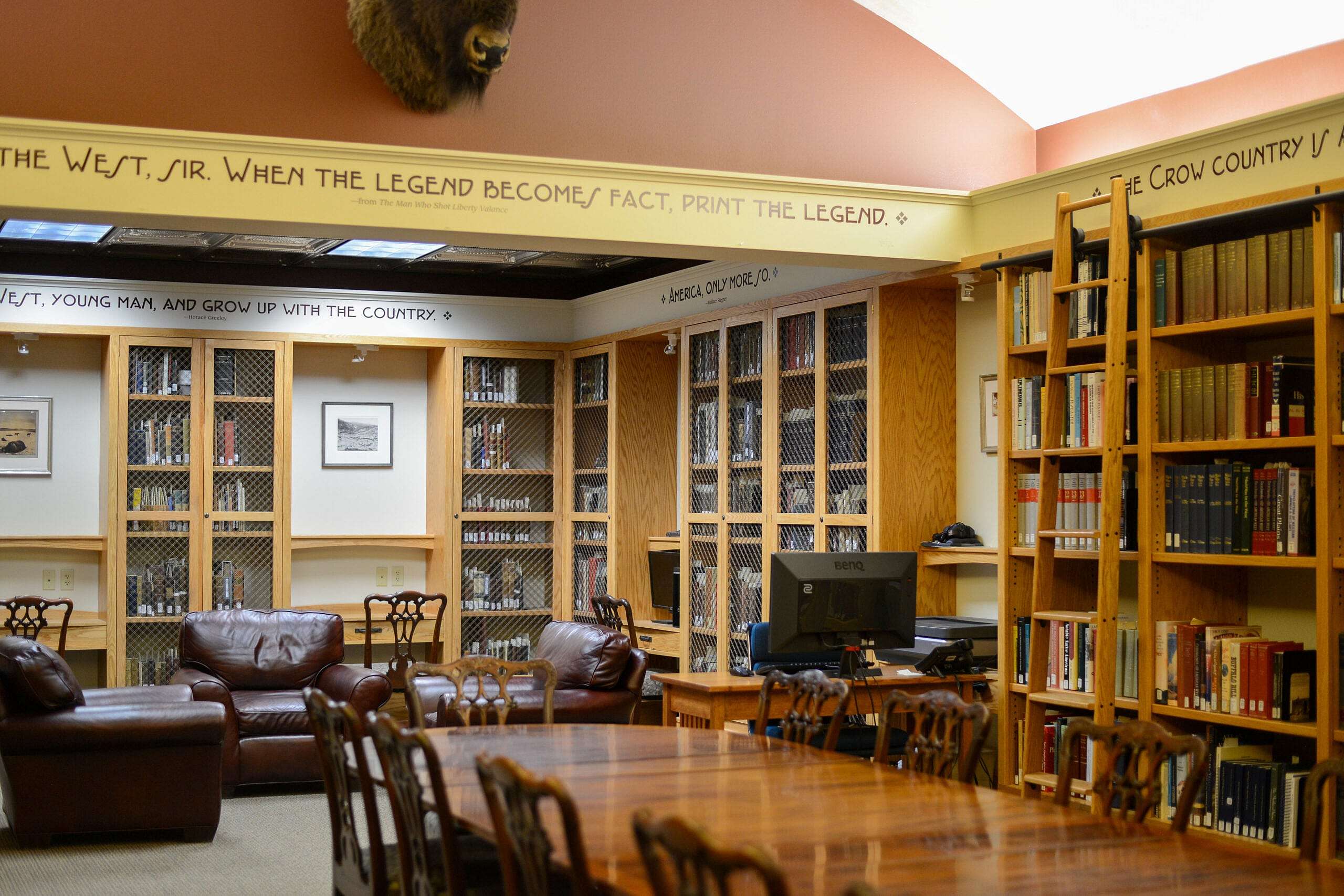
Archival and library research can feel overwhelming for even the most experienced researchers. You don’t necessarily need an appointment just to stop by! Walk-in visitors are always welcome to visit the Reading Room, learn more about the McCracken Research Library, or ask a quick question.
If you want to actually dig into the collections, though, we recommend getting in touch with us ahead of time. Our books, photographs, manuscripts, archival collections, and other research materials are kept in secure storage and aren’t available for browsing on your own. When you arrive, our staff retrieve the materials you’re interested in and bring them to the Reading Room for you to explore.
Not sure exactly what you’re looking for? That’s what we’re here for! Tell us what you’re researching, and we can help you navigate our collections and identify materials that might be useful.
Planning your first visit? Our guide, Inside the Reading Room: What to Know Before Your First Visit, walks you through what to expect. And if you’re wondering what kinds of things you can actually find here, Research Made Easy: Exploring the McCracken Research Library’s Collections is a great place to start.
Have a question for the archivist?
Whether you’re wondering how to preserve your grandmother’s photographs, researching your family’s history, curious about something in our collections, or simply wondering what an archivist does all day, we’d love to hear from you. You can contact library staff at [email protected].
Written By
Cassandra Day
Cassandra Day is the Archivist of the McCracken Research Library at the Buffalo Bill Center of the West, where she specializes in the preservation, interpretation, and accessibility of historical records. She holds a Bachelor of Arts in History from Georgia Southern University and a Master of Science in Archival Studies from Clayton State University. Additionally, she is a Certified Archivist through the Academy of Certified Archivists. Her research interests include World War II and Cold War codebreaking, oral history methodologies and best practices, and the exploration of regional identities through rodeo. She is passionate about making archival materials accessible and engaging while preserving the voices and stories that shape our understanding of the past.
You May Also Like
The Myth of the Fully Processed Archive
Jul 20, 2026

When you think of an archive, you probably imagine countless collections all perfectly...
Speaking in Code: Rare Winchester Telegraph Code Books
Jun 30, 2026
Among the rarest items in the McCracken Research Library’s archival collections...
Rare Book Highlights: The Indians’ Book
Sep 02, 2026

"Wellnigh impossible is it for civilized man to conceive of...
The Secret Custer Letter: Rediscovering Little Bighorn at 150
Jun 02, 2026
Earlier this year, while reprocessing the MS 89 Jack Richard...
Buffalo Bill Center of the West Authenticates Trove of Historic Early 1800s Medals
Sep 08, 2026

Buffalo Bill Center of the West authenticates rare early 1800s...
Heart Mountain Through the Lens
Jul 02, 2026
Each July, former detainees, their families and descendants, gather at...
Rare Book Highlights: The Original Journals of the Lewis and Clark Expedition
Oct 01, 2026
"If not for the … epic the captains scratched out...
The Ultimate Wyoming Wildlife Guide: Expert Viewing Tips
Sep 28, 2026
Grizzly Flowers. Photo by Julia Cook @julia.littlelightningnature Draper Elk Wyoming...
The Life Style of Yellow-bellied Sapsuckers
Sep 16, 2026

Tree girdled with Yellow-bellied Sapsucker Holes © Dennis Donohue /...
From the Badlands to the Tetons: A 1930s Family Road Trip West
Sep 14, 2026
Long before smartphones and GPS guided travelers across the country,...
Research Made Easy: Exploring the McCracken Research Library’s Collections
Mar 23, 2026
Archival and library research can feel overwhelming for even the...
Don’t Let History Live in a Shoebox: How to Archive Your Family Treasures
Sep 18, 2026
Are you the designated "historian" in your family? Do you...