
Ultimate Trip Guide Through Yellowstone’s East Entrance

August 19, 2026
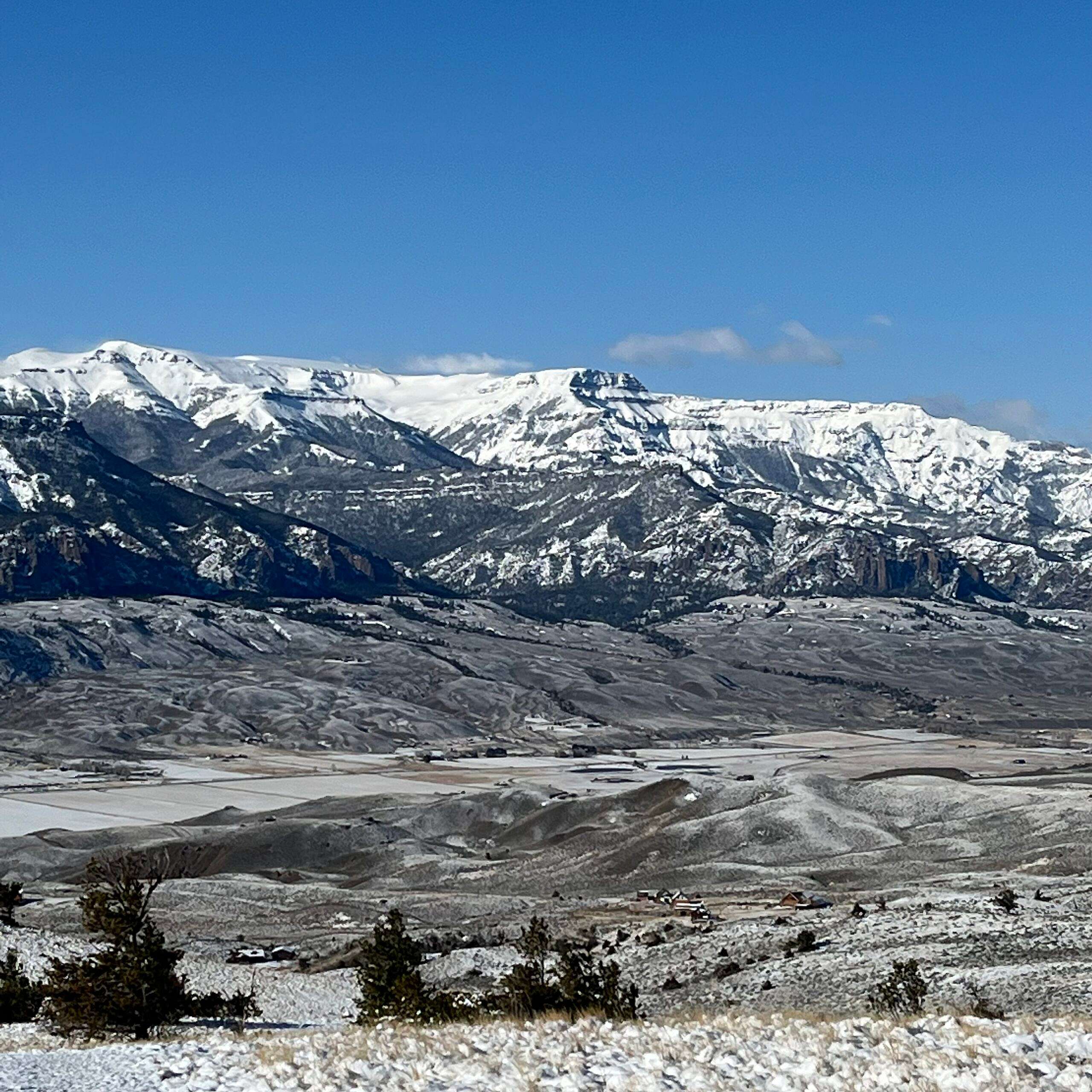
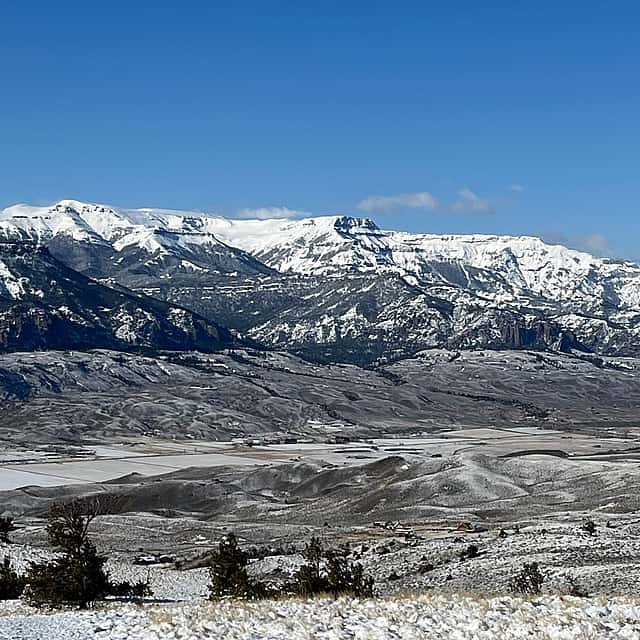
Yellowstone’s East Entrance offers one of America’s most spectacular drives. Beginning in Cody, Wyoming, the 52-mile journey to Yellowstone National Park typically takes one hour, though most travelers will want to allow much longer to enjoy the scenery, wildlife, and historic landmarks along the way. From towering cliffs and alpine forests to Yellowstone Lake and world-famous geothermal features, this route combines breathtaking landscapes with the rich history of the American West.
Before beginning the drive, start your adventure at the Buffalo Bill Center of the West, where five museums provide the history, wildlife knowledge, and cultural context that make every mile of the journey even more meaningful.
Learn more about the route through Yellowstone’s East Gate:
https://centerofthewest.org/east-gate-of-yellowstone/
Why the Cody to Yellowstone Drive is the Ultimate Western Experience
The drive from Cody to Yellowstone follows the Buffalo Bill Cody Scenic Byway, winding through the Shoshone River Canyon, Wapiti Valley, and Shoshone National Forest before climbing over Sylvan Pass into Yellowstone National Park. Along the way, travelers experience dramatic changes in elevation, ecosystems, and geology while following a route shaped by explorers, Indigenous peoples, and Buffalo Bill Cody himself.
Unlike many scenic drives, this journey tells a story. Every overlook, canyon, and mountain meadow reflects the natural and cultural history that defines the Greater Yellowstone Ecosystem.
Mile-by-Mile: Cody to Yellowstone’s East Entrance
Each year, hundreds of thousands of visitors begin their Yellowstone adventure at the Buffalo Bill Center of the West, gaining a deeper understanding of the park’s wildlife, geology, and history before heading west.
Buffalo Bill Dam & Visitor Center
Just outside Cody stands one of Wyoming’s greatest engineering achievements. Completed in 1910, Buffalo Bill Dam was once the tallest dam in the world, rising 328 feet above the Shoshone River. Built to fulfill Buffalo Bill Cody’s vision of irrigating the Big Horn Basin, it transformed agriculture throughout the region.
Walk across the top of the dam for sweeping canyon views, then explore the free visitor center before continuing west.
Related reading:
https://centerofthewest.org/2018/01/19/points-west-buffalo-bill-town-2/
Wapiti Valley & Shoshone National Forest
As the highway follows the North Fork of the Shoshone River, travelers enter the stunning Wapiti Valley, surrounded by rugged cliffs, dense forests, and abundant wildlife. The valley provides excellent opportunities to spot bighorn sheep, elk, mule deer, bald eagles, and occasionally bears.
The Buffalo Bill Center of the West has long partnered with youth education programs throughout the valley, helping students discover the remarkable plants, wildlife, and geology that make this landscape unique.
Learn more:
https://centerofthewest.org/2021/08/18/dont-fence-me-in/
Wildlife and Scenic Pullouts
Numerous pullouts along the route provide safe places to photograph the Shoshone River, volcanic cliffs, and mountain scenery. Early morning and evening often provide the best wildlife viewing opportunities. Always remain a safe distance from wildlife and never approach animals for photographs.
Read more about Yellowstone’s seasonal wildlife:
https://centerofthewest.org/2016/05/08/points-west-online-the-nature-of-spring-in-yellowstone-country/
Sylvan Pass, Yellowstone Lake, and Beyond
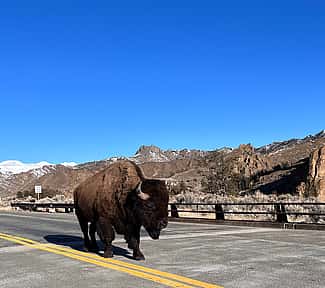
After entering Yellowstone National Park, the road climbs to Sylvan Pass at 8,553 feet before descending toward Yellowstone Lake, the largest high-elevation lake in North America. A stop at Lake Butte Overlook rewards visitors with panoramic views of the lake and, on exceptionally clear days, distant views toward the Teton Range.
Families looking for a short hike should consider Storm Point Trail, where forests, meadows, and lakeshore combine in an easy 2.5-mile walk. Farther west, Fishing Bridge Visitor Center offers fascinating exhibits explaining Yellowstone’s remarkable ecology and architecture.
Continue along the Grand Loop Road to discover the bubbling mud pots of Mud Volcano, the abundant wildlife of Hayden Valley, and the spectacular waterfalls and colorful canyon walls of the Grand Canyon of the Yellowstone, where both the South Rim’s Artist Point and the North Rim’s overlooks provide unforgettable views.
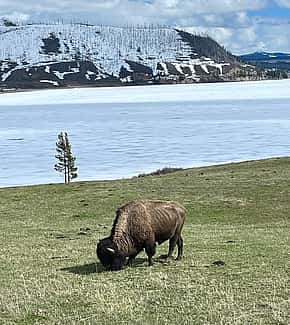
Immerse Yourself Before You Go
Visiting the Buffalo Bill Center of the West before entering Yellowstone transforms a beautiful drive into a richer experience.
The Draper Natural History Museum introduces visitors to the wildlife, ecosystems, and geology they will encounter throughout the park. Interactive exhibits help families identify animals, understand migration patterns, and appreciate how Yellowstone functions as one of the world’s last intact temperate ecosystems.
The Plains Indian Museum explores the enduring cultures of the Indigenous nations whose connections to this landscape extend back thousands of years. Learning these stories before entering Yellowstone offers a broader understanding of the people who first knew these mountains, rivers, and valleys as home.
Practical Tips for the East Entrance Drive
When is the Best Time to Drive?
Early morning and late afternoon generally offer lighter traffic, cooler temperatures, and the best opportunities for wildlife viewing.
Will I Have Cell Service?
Cell coverage is limited throughout Wapiti Valley and much of Yellowstone. Download maps before departing Cody and check current road conditions through the National Park Service.
What Should I Bring?
Mountain weather changes quickly. Pack layers, water, snacks, binoculars, and bear spray if planning to hike. Always follow National Park Service wildlife viewing guidelines and remain at least 100 yards from bears and wolves and 25 yards from all other wildlife.
What is the Best Season?
Late spring through early fall offers the easiest access and the widest range of activities. Summer provides full services throughout the park, while September brings cooler temperatures, beautiful fall colors, and fewer crowds.
Whether you’re visiting Yellowstone for the first time or returning to discover something new, the drive through the East Entrance is far more than transportation—it’s an introduction to one of the world’s most extraordinary landscapes. Beginning your journey at the Buffalo Bill Center of the West provides the historical, cultural, and scientific context that turns an unforgettable drive into a truly meaningful adventure.
Written By
Center of the West
You May Also Like
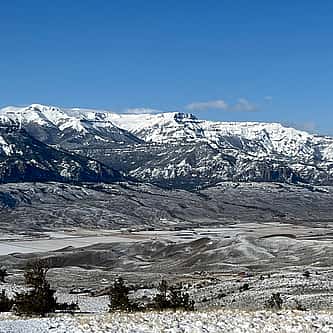
The Ultimate Wyoming Wildlife Guide: Expert Viewing Tips
Sep 28, 2026

Grizzly Flowers. Photo by Julia Cook @julia.littlelightningnature Draper Elk Wyoming...
Why These Objects? A Closer Look at the Buffalo Nation Spotlights
Jan 29, 2026
As the opening of the Buffalo Nation spotlights approaches, a...
Don’t Let History Live in a Shoebox: How to Archive Your Family Treasures
Sep 18, 2026

Are you the designated "historian" in your family? Do you...
Buffalo Bill Center of the West Authenticates Trove of Historic Early 1800s Medals
Sep 08, 2026
Buffalo Bill Center of the West authenticates rare early 1800s...
Your #AskAnArchivist Questions, Answered
Oct 14, 2026
There are few things an archivist enjoys more than a...
Buffalo Bill Center of the West Announces Hunter C. Old Elk as Recipient of Rare Distinguished Alumni Award from Native American Jumpstart
Jun 02, 2026
Hunter C. Old Elk CODY, WY — The Buffalo Bill...
From the Badlands to the Tetons: A 1930s Family Road Trip West
Sep 14, 2026
Long before smartphones and GPS guided travelers across the country,...
The Life Style of Yellow-bellied Sapsuckers
Sep 16, 2026

Tree girdled with Yellow-bellied Sapsucker Holes © Dennis Donohue /...
Buffalo Bill Center of the West Mourns the Death of Photographer and Storyteller Ken Blackbird
Jan 07, 2026
He had a talent for narration, showering his audience with...
Buffalo Bill Center of the West Authenticates Trove of Historic Early 1800s Medals
Sep 08, 2026
Buffalo Bill Center of the West authenticates rare early 1800s...
Family Activities in Cody, WY
Jun 30, 2026
Families visiting Cody will find plenty of adventures that blend...
Rare Book Highlights: The Original Journals of the Lewis and Clark Expedition
Oct 01, 2026

"If not for the … epic the captains scratched out...