
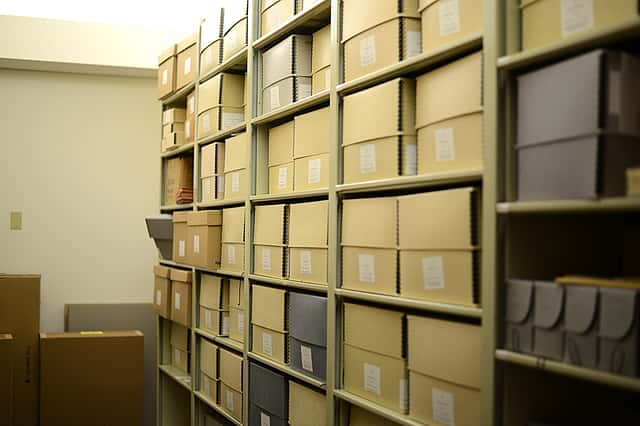
Don’t Let History Live in a Shoebox: How to Archive Your Family Treasures

September 18, 2026
Are you the designated “historian” in your family? Do you have piles of family photos, books, and papers taking up space in your home? If you’re looking for advice on how to preserve and care for these precious keepsakes, you’ve landed in the right spot!

Ensuring the longevity of your family’s treasures begins with proper storage techniques. Take a look at our tips for storing various types of archival materials to ensure they remain in tip-top condition for generations to come.
Where Should You Store Your Collections?
To keep your photographs and papers safe and sound, it’s best to store them in dry areas. Avoid places like damp basements, hot attics, and musty garages. Make sure to steer clear of any potential sources of leaks, like pipes or windows, and keep your collection on a shelf to protect from groundwater in case of flooding. Also, be sure to keep your photos away from areas with food sources to avoid attracting insects and rodents. By taking these precautions, you can safeguard your photographs and papers for years to come!
Temperature and Humidity – It’s More Important Than You Know!
Taking care of your family’s precious materials is important, and temperature and humidity levels can make a huge difference in preserving them. It’s best to store them in a cool place to avoid mold, slow down any decay, and keep those pesky bugs away.
Did you know that photographs can be quite sensitive to temperature changes? It’s important to store them properly, especially if they are in older formats like negatives, slides, or original prints. Over time, if kept at room temperature, photos can fade and deteriorate.
Aim to keep things under 75 degrees Fahrenheit and below 65% relative humidity if you can. This will go a long way to protect your items. Just be mindful not to let the humidity drop below 15%, as that can actually cause damage to your photos and can make your papers brittle and prone to breaking.
How Should You Physically Store Your Collections?
Photographs
If you’re looking to keep your photographs safe and in great condition, consider storing them in archival photograph sleeves. They are super easy to find on Amazon. Archival sleeves are specially made to be acid-free, which helps prevent your photos from fading over time due to exposure to light and dust. Plus, these sleeves can protect your photographs from any harmful oils on your hands and make it easier to handle them safely.
Once your photographs are housed in sleeves, it’s time to store them in some archival boxes. Make sure the boxes are large enough for your photos to lay flat or stand upright without any damage. It’s important that they fit snugly, so your photos aren’t sliding all over the place. Look for archival boxes made of high-quality, acid-free materials like board or folder stock. You can easily find these on Amazon as well!
Papers
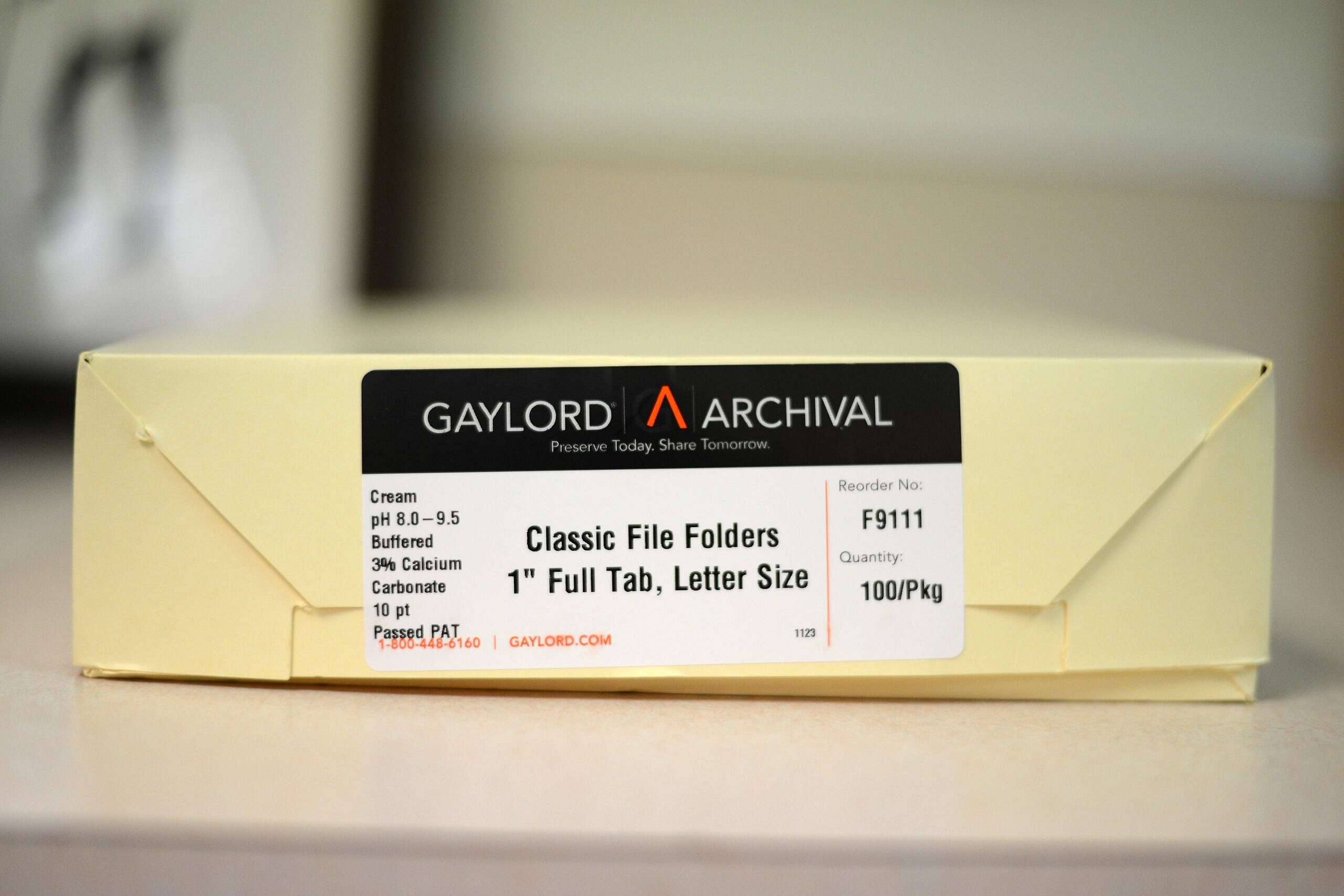
It’s a good idea to store your paper collections in archival folders within archival boxes to help protect them. These folders are acid-free and lignin-free, which can prevent damage like fading or paper breakage. You can easily find these folders on Amazon or through specialized archival supply vendors. Just remember, it’s important not to overfill the folders as it can actually cause more harm than good to your papers.
Once you’ve organized your papers into folders, it’s a good idea to store them in archival boxes. Make sure to choose boxes that are big enough for your papers to be placed flat or stand upright safely. It’s important to find boxes that fit properly to prevent papers from moving around. Look for archival boxes made of high-quality, acid-free materials like board or folder stock. You can easily find these on Amazon, too.
What About Photo Albums?
Photo albums can be a great way to store your photos, as long as you take a few precautions! Spiral, ring binders, post or clamp bindings, and traditional sewn bindings are all safe options for keeping your photographs organized. Just make sure to pay attention to the quality of the pages and materials that come in contact with your pictures to ensure they stay in good condition.
For keeping your photographs safe, it’s best to avoid using glues or adhesives. Instead, opt for acid-free pages or envelopes, and choose sleeves made of durable plastics such as polyester, polypropylene, or polyethylene.
It’s best to steer clear of glues, rubber cement, tape, paper clips, and rubber bands when handling your photographs and making photo albums. These items can cause some serious damage if exposed to your photographs for long periods of time.
Tips for Handling Family Papers and Photographs
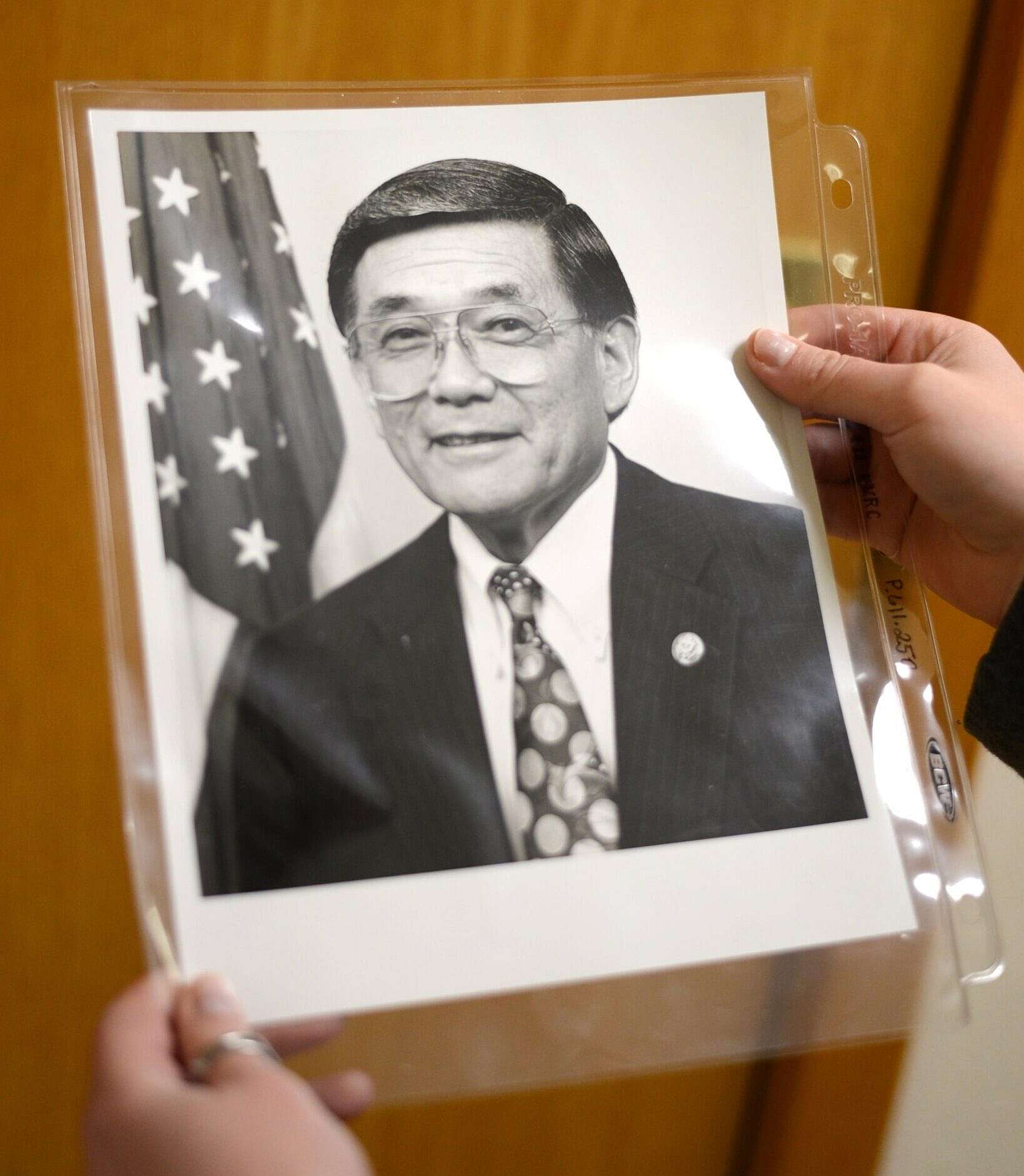
Now that you’ve taken the time to properly store your family’s archival materials, let’s talk about how to safely handle them.
Here are some helpful tips that you can rely on for safely handling your materials.
1. Make sure you have a tidy and organized space to go through your materials. This will help protect your collections from any accidental damage.
2. Avoid eating, drinking, or smoking around the materials.
3. Remember to wash your hands before handling any paper materials. It’s best to avoid using lotions or hand sanitizer before handling them, as these can harm the paper and photographs.
- For paper materials, you don’t need to wear gloves, as they can actually make it harder to handle the paper and accidentally cause damage.
4. If you don’t already have your photographs stored in archival sleeves, be sure to use gloves when handling them. The oils from your hands and fingerprints can lead to permanent stains and fading on your photographs and negatives.
Archival Storage Vendors
While you can certainly find archival materials on Amazon, there are vendors out there who specialize in archival storage solutions that could be a great match for what you’re looking for.
Here are some suggested vendors:
The preservation information on this page is based on helpful tips from the National Archives’ Preservation page on how to store family papers and photographs.
Written By
Cassandra Day
Cassandra Day is the Archivist of the McCracken Research Library at the Buffalo Bill Center of the West, where she specializes in the preservation, interpretation, and accessibility of historical records. She holds a Bachelor of Arts in History from Georgia Southern University and a Master of Science in Archival Studies from Clayton State University. Additionally, she is a Certified Archivist through the Academy of Certified Archivists. Her research interests include World War II and Cold War codebreaking, oral history methodologies and best practices, and the exploration of regional identities through rodeo. She is passionate about making archival materials accessible and engaging while preserving the voices and stories that shape our understanding of the past.
You May Also Like
The Myth of the Fully Processed Archive
Jul 20, 2026

When you think of an archive, you probably imagine countless collections all perfectly...
Revolutionary Readers: The Library as a Symbol for Freedom
Jul 30, 2026

Dr. Harold McCracken in his home library in Cody, Wyoming...
The Secret Custer Letter: Rediscovering Little Bighorn at 150
Jun 02, 2026
Earlier this year, while reprocessing the MS 89 Jack Richard...
From the Badlands to the Tetons: A 1930s Family Road Trip West
Sep 14, 2026
Long before smartphones and GPS guided travelers across the country,...
The Ultimate Wyoming Wildlife Guide: Expert Viewing Tips
Sep 28, 2026

Grizzly Flowers. Photo by Julia Cook @julia.littlelightningnature Draper Elk Wyoming...
Inside the Reading Room: What to Know Before You Visit
Feb 12, 2026
The McCracken Research Library has a reading room that is...
Speaking in Code: Rare Winchester Telegraph Code Books
Jun 30, 2026
Among the rarest items in the McCracken Research Library’s archival collections...
Research Made Easy: Exploring the McCracken Research Library’s Collections
Mar 23, 2026
Archival and library research can feel overwhelming for even the...
Heart Mountain Through the Lens
Jul 02, 2026
Each July, former detainees, their families and descendants, gather at...
Breaking Records, Breaking Barriers: Margaret Thompson-Murdock’s Competitive Shooting Legacy
Jul 30, 2026

Believe it or not, two of the world’s best sharpshooters...
The Life Style of Yellow-bellied Sapsuckers
Sep 16, 2026

Tree girdled with Yellow-bellied Sapsucker Holes © Dennis Donohue /...
Rare Book Highlights: The Indians’ Book
Sep 02, 2026
"Wellnigh impossible is it for civilized man to conceive of...