
Heart Mountain Through the Lens

July 2, 2026
Each July, former detainees, their families and descendants, gather at the Heart Mountain Interpretive Center for the annual pilgrimage to reflect and remember the history and legacy of Heart Mountain Relocation Center.
More than eighty years after the opening of Heart Mountain Relocation Center, photographs, archival records, and published works continue to preserve the stories of the more than 14,000 Japanese Americans who lived in the camp during World War II. The McCracken Research Library’s collections on Heart Mountain provide researchers with valuable opportunities to explore both the history of the camp and the lives of those connected to it.
Building Heart Mountain Relocation Center
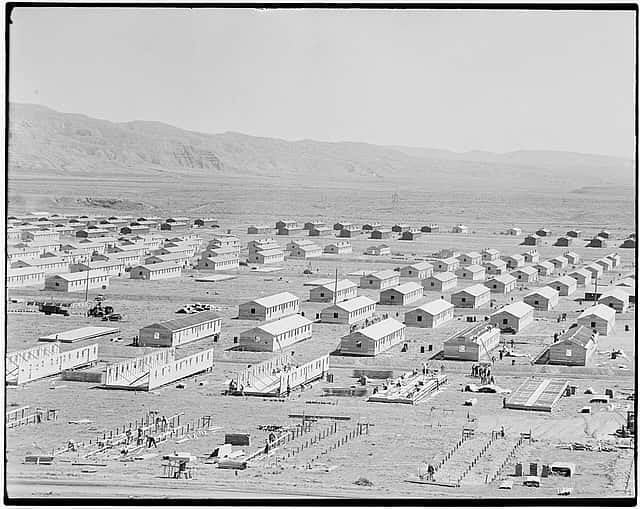
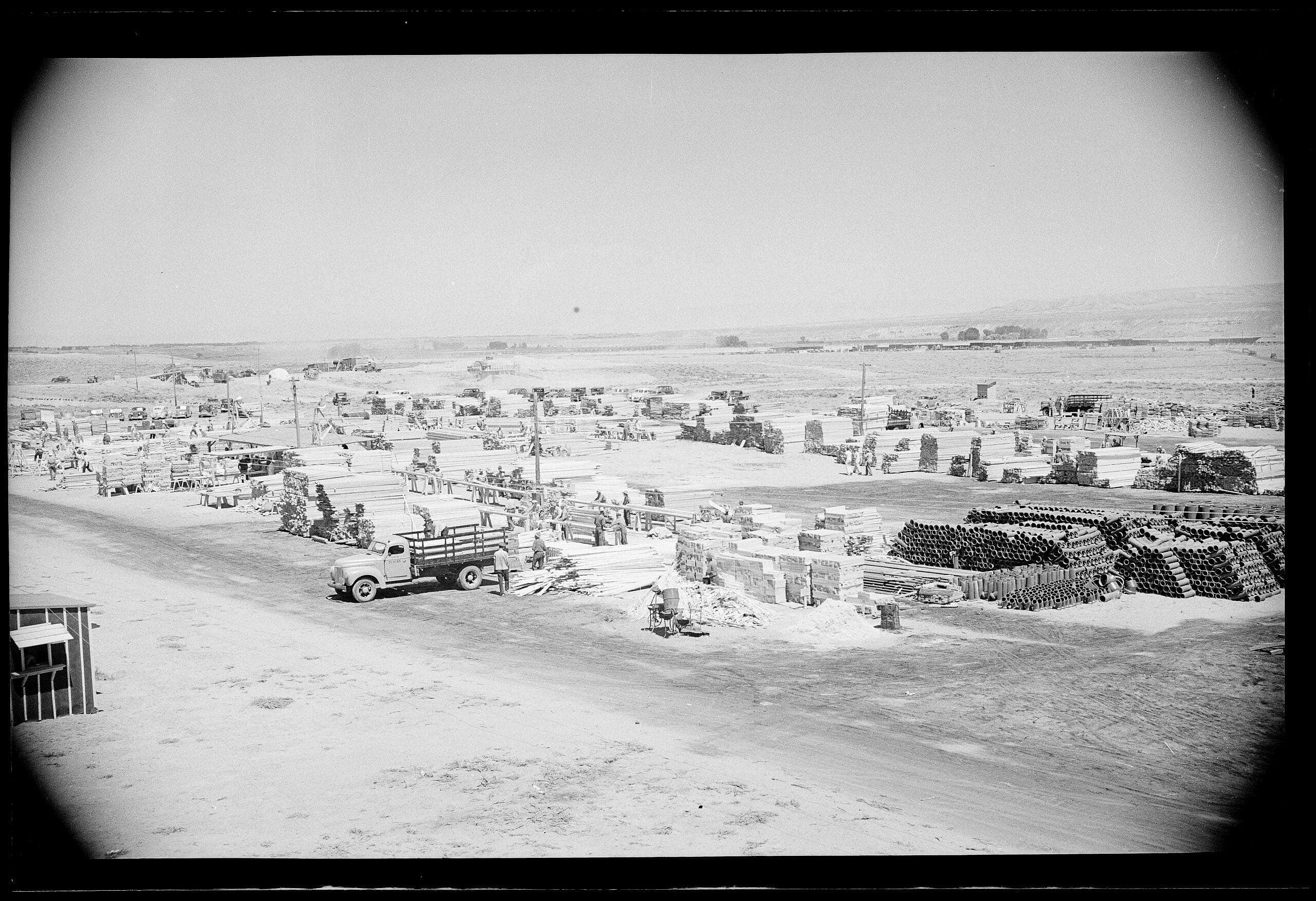
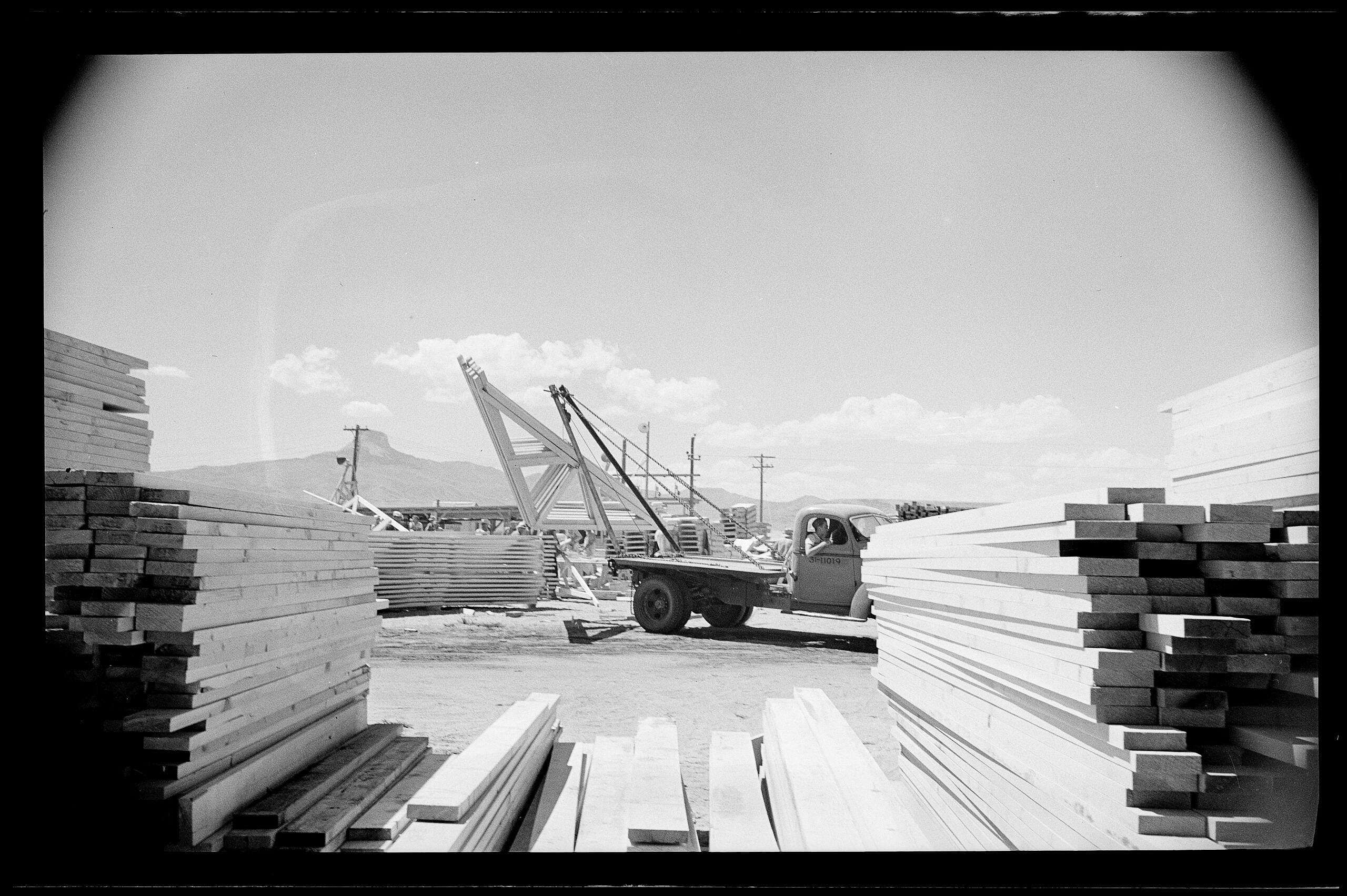
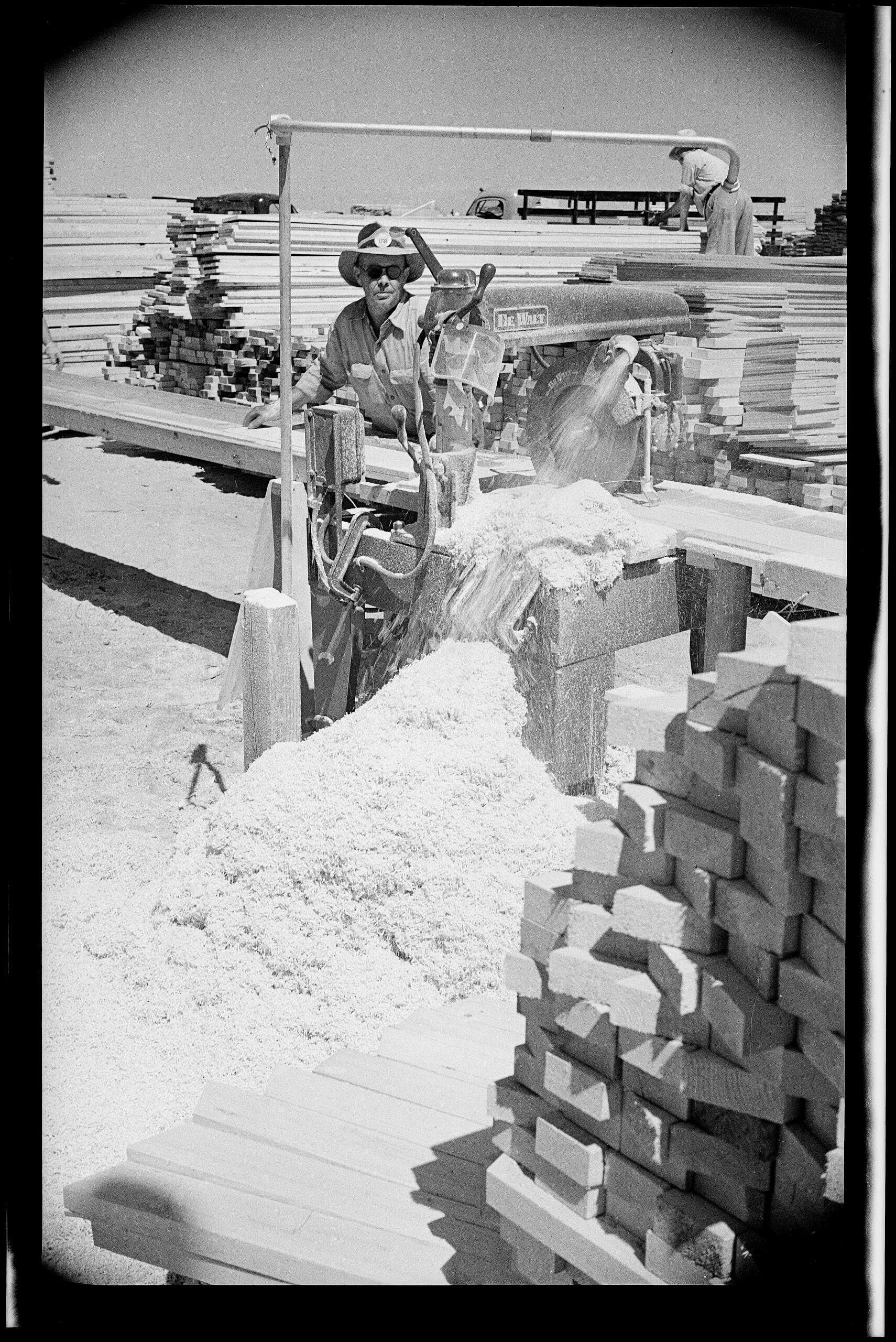
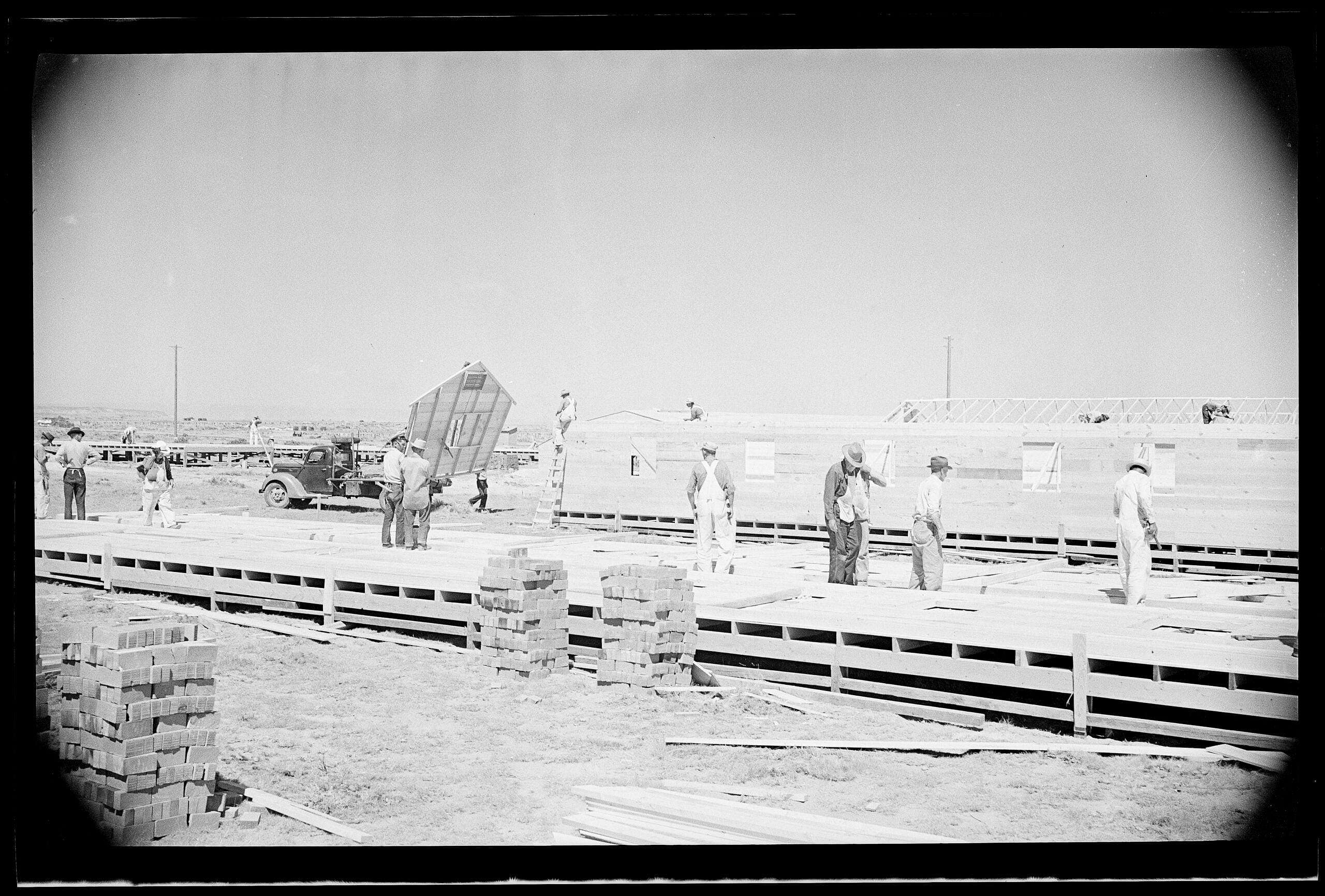
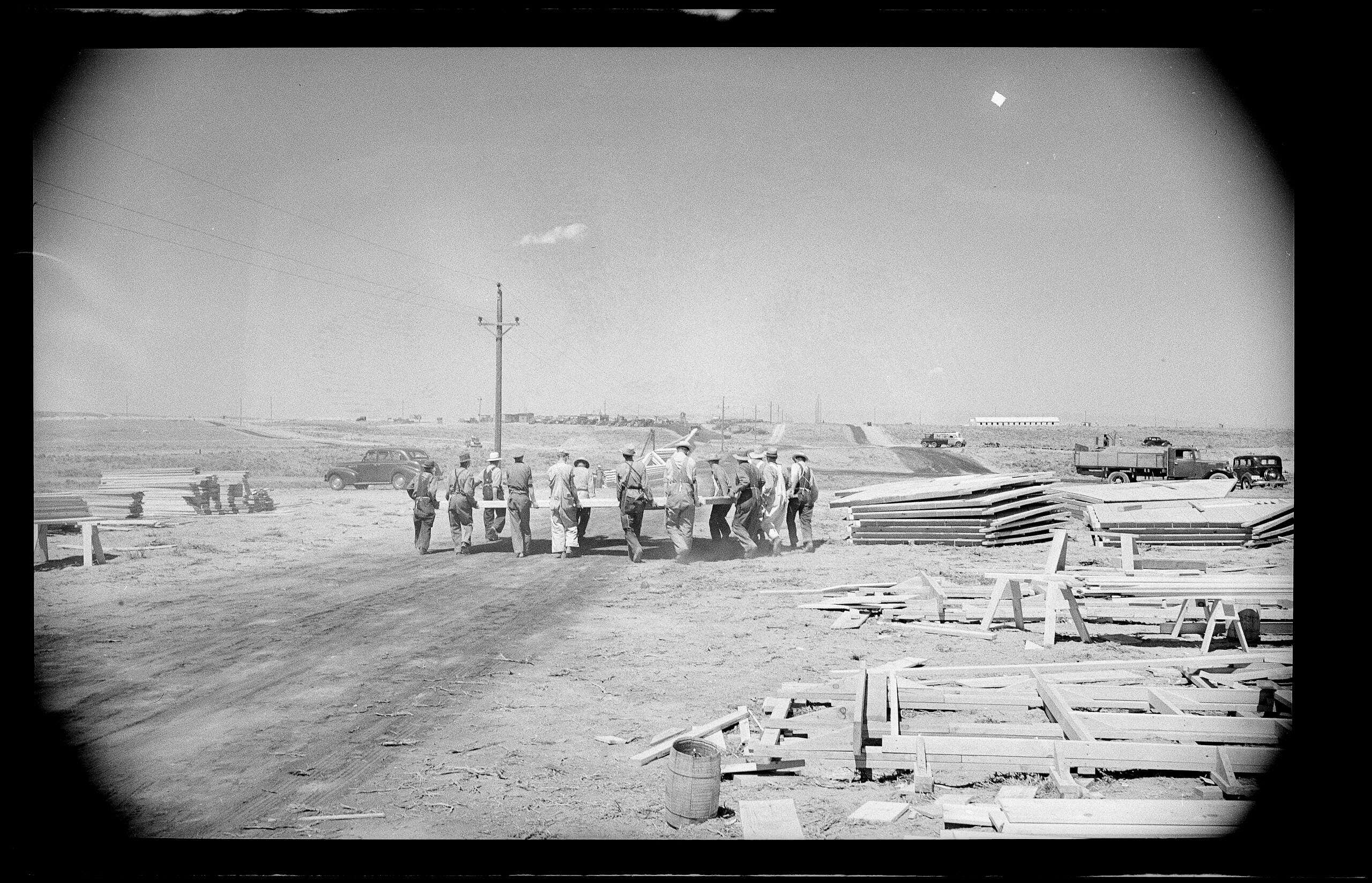
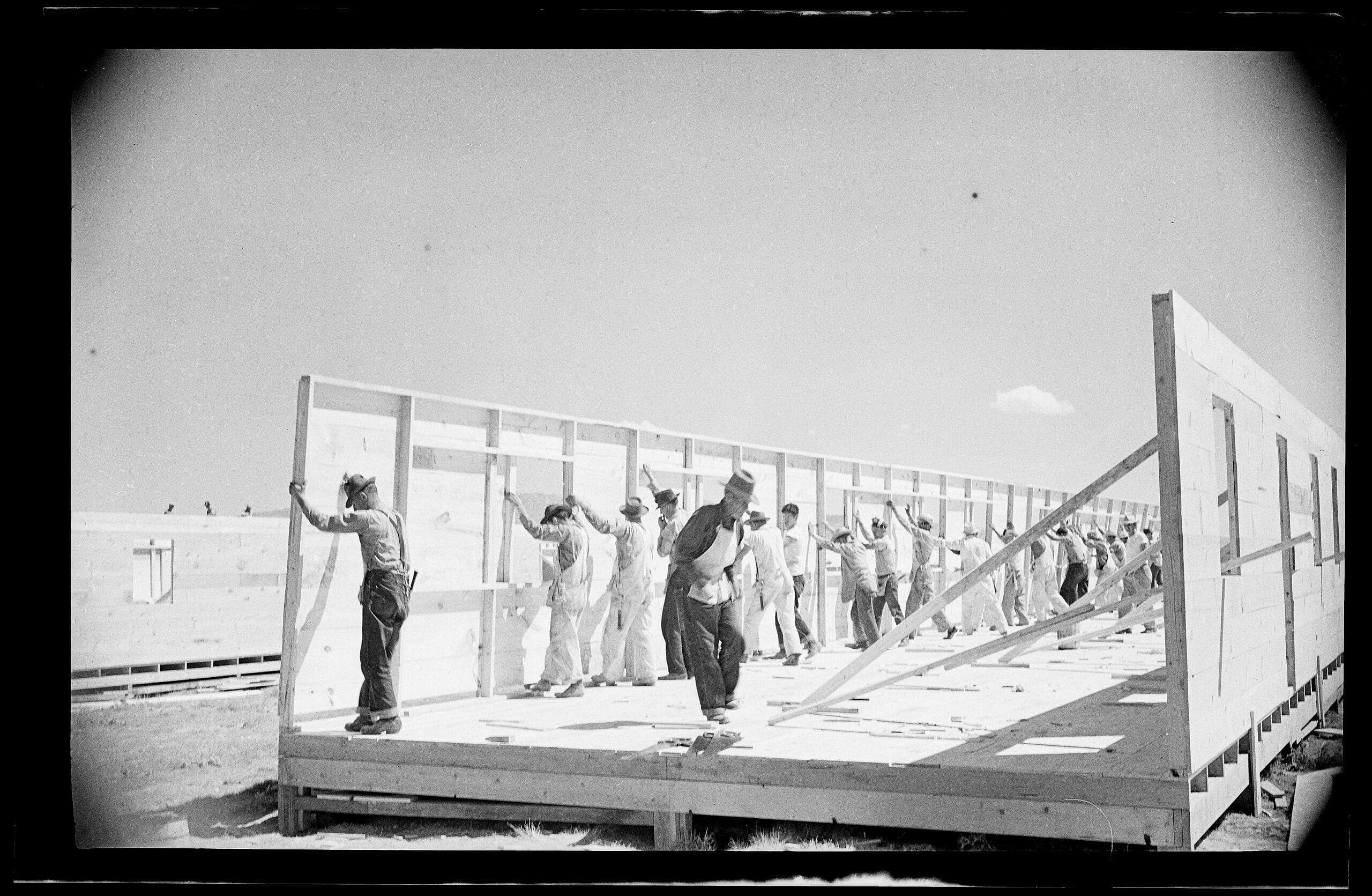
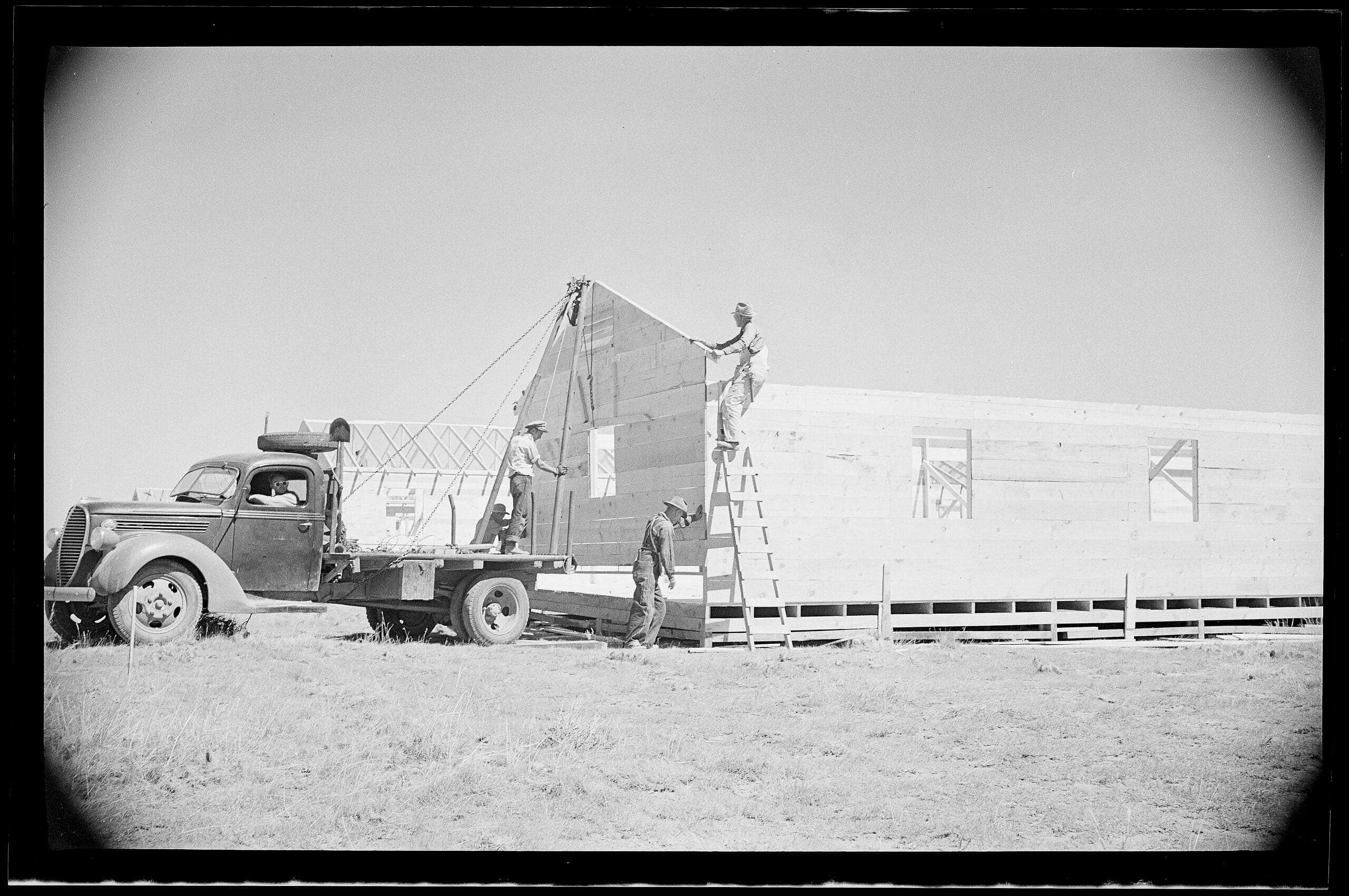
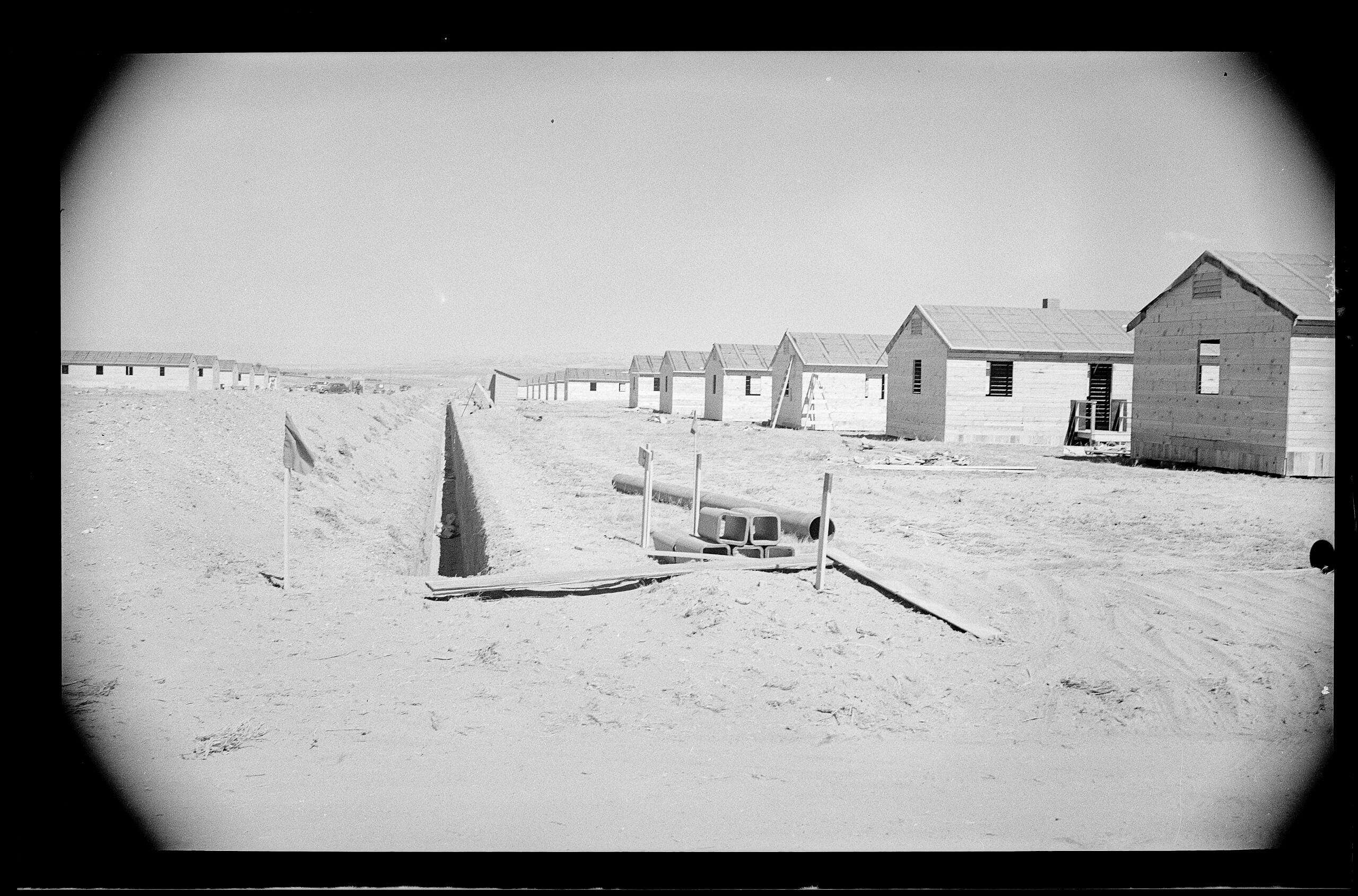
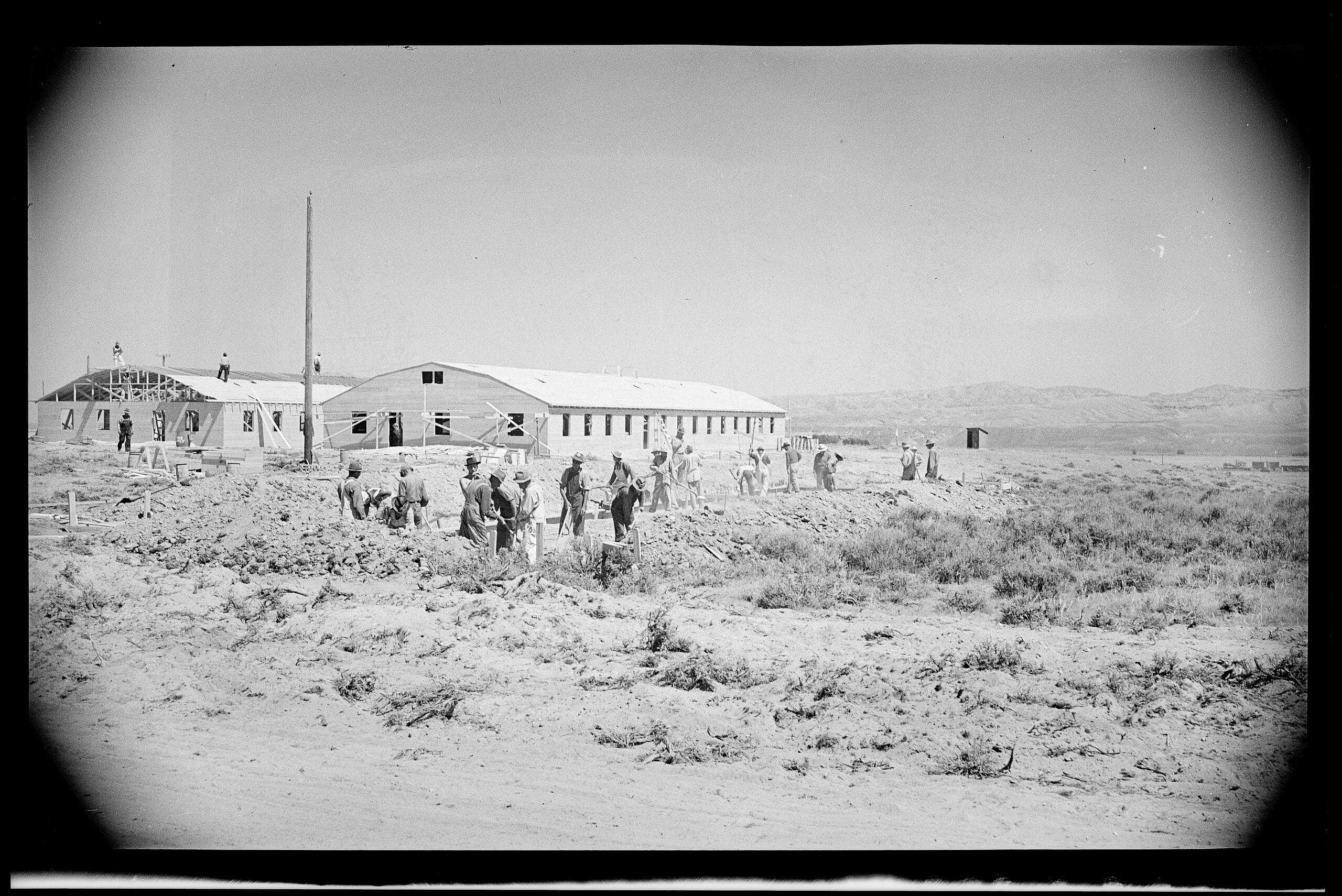
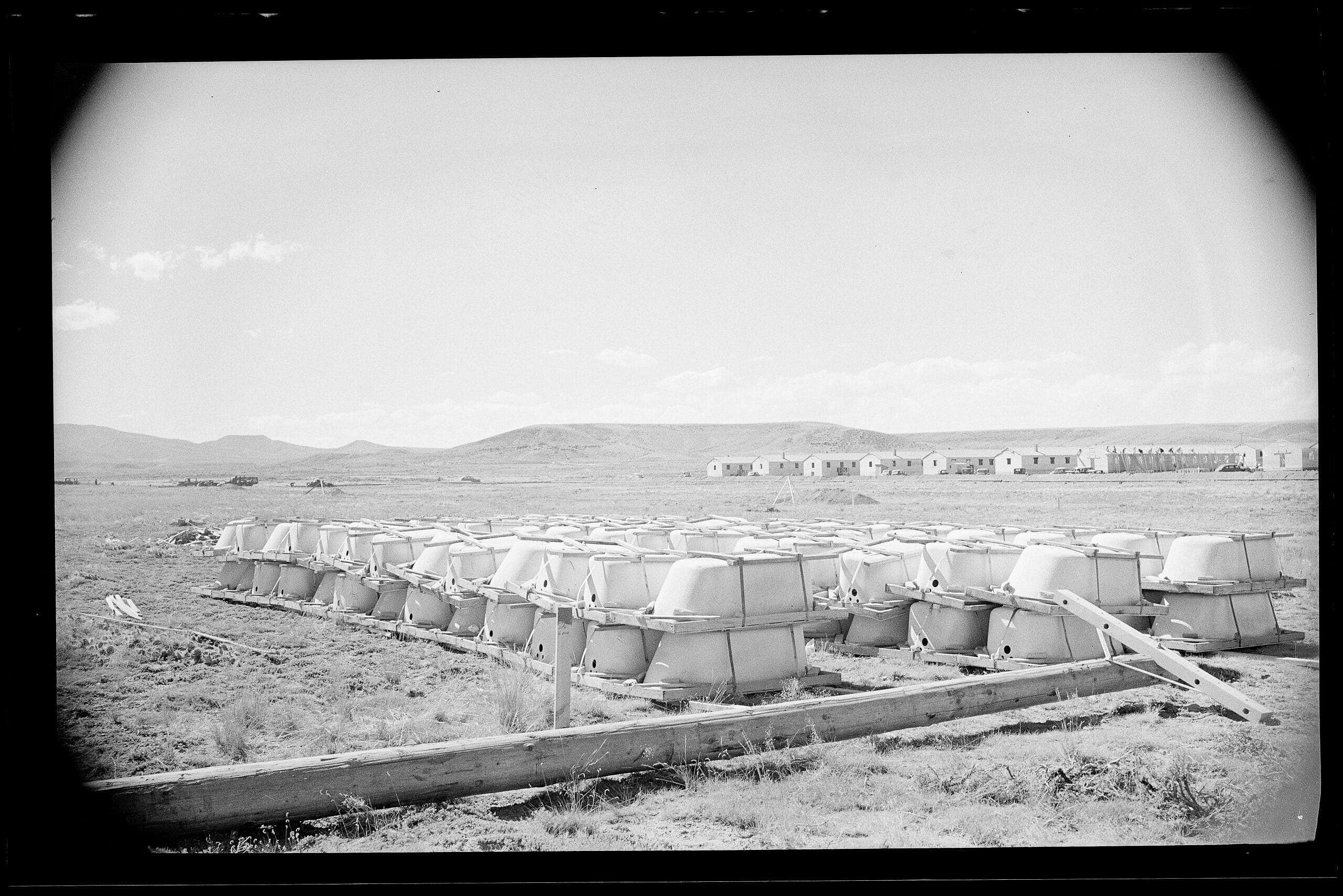
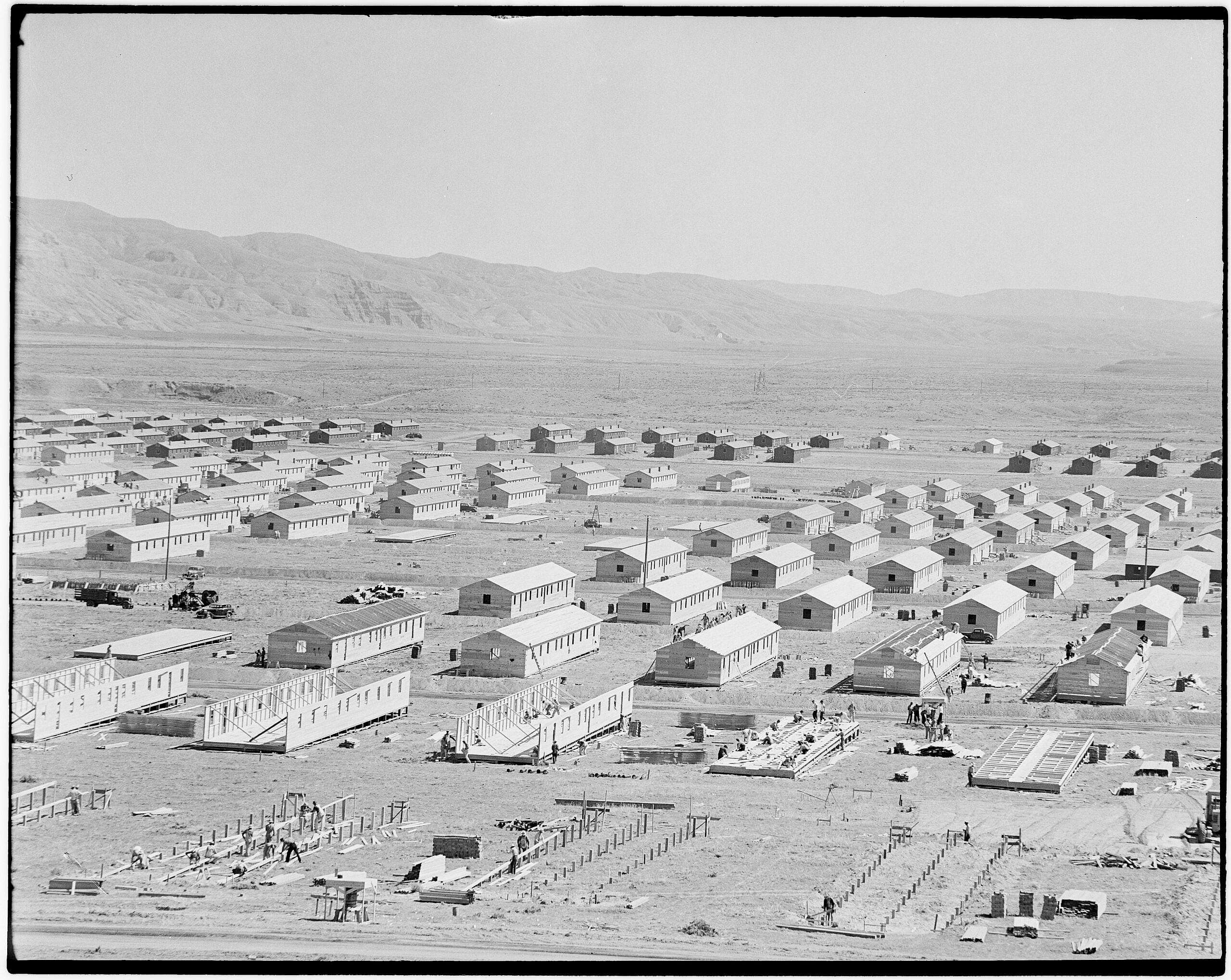
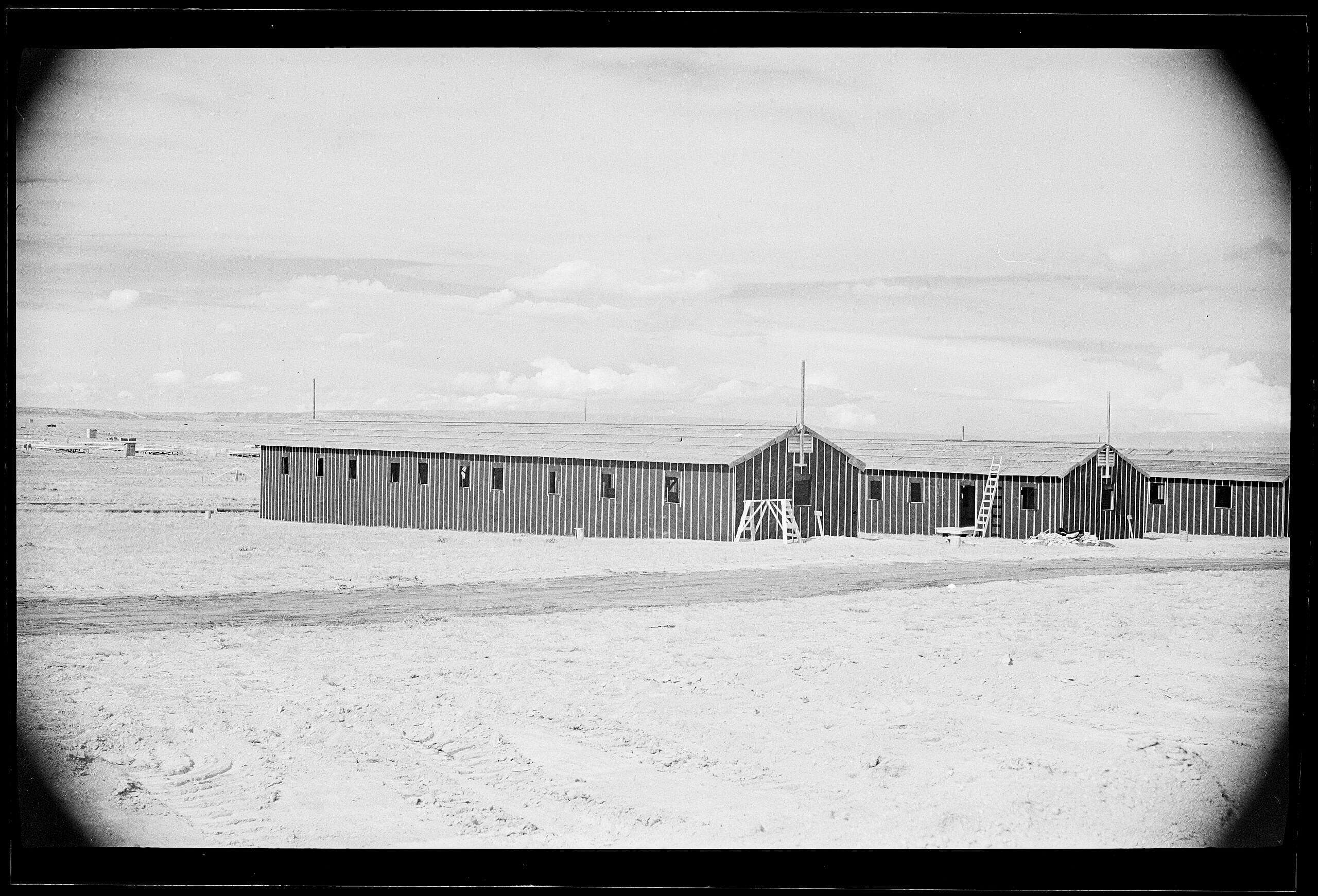
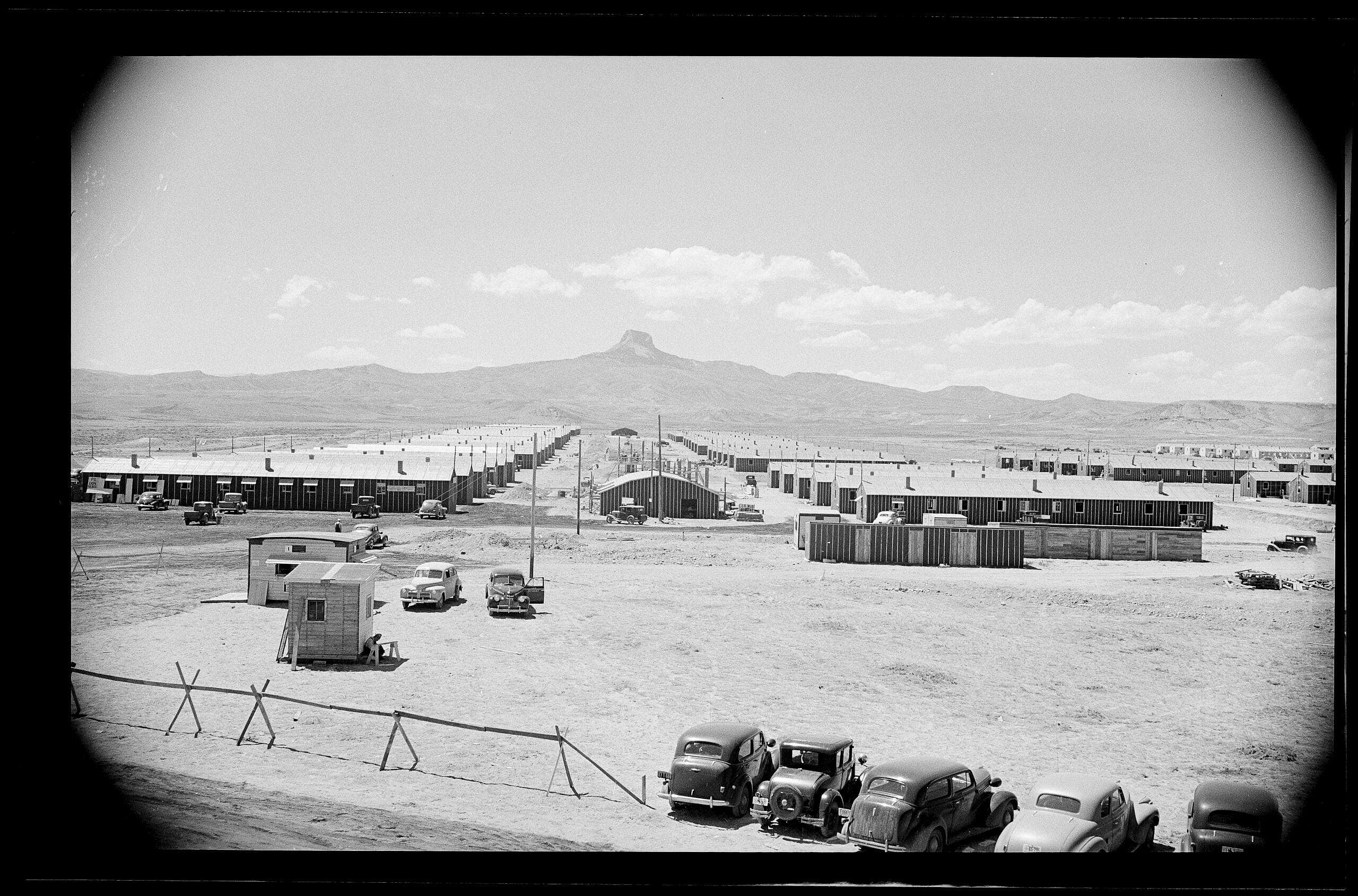
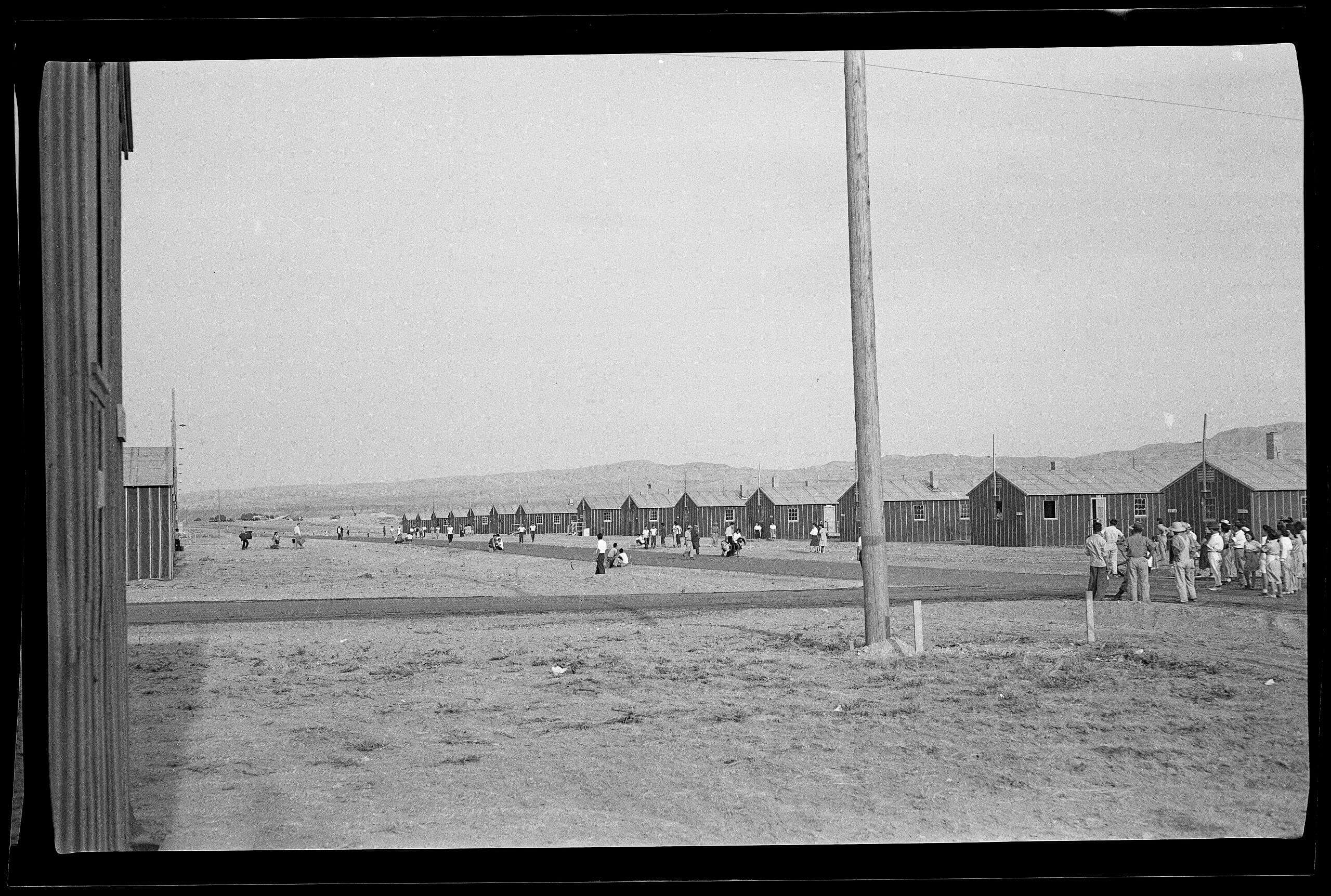
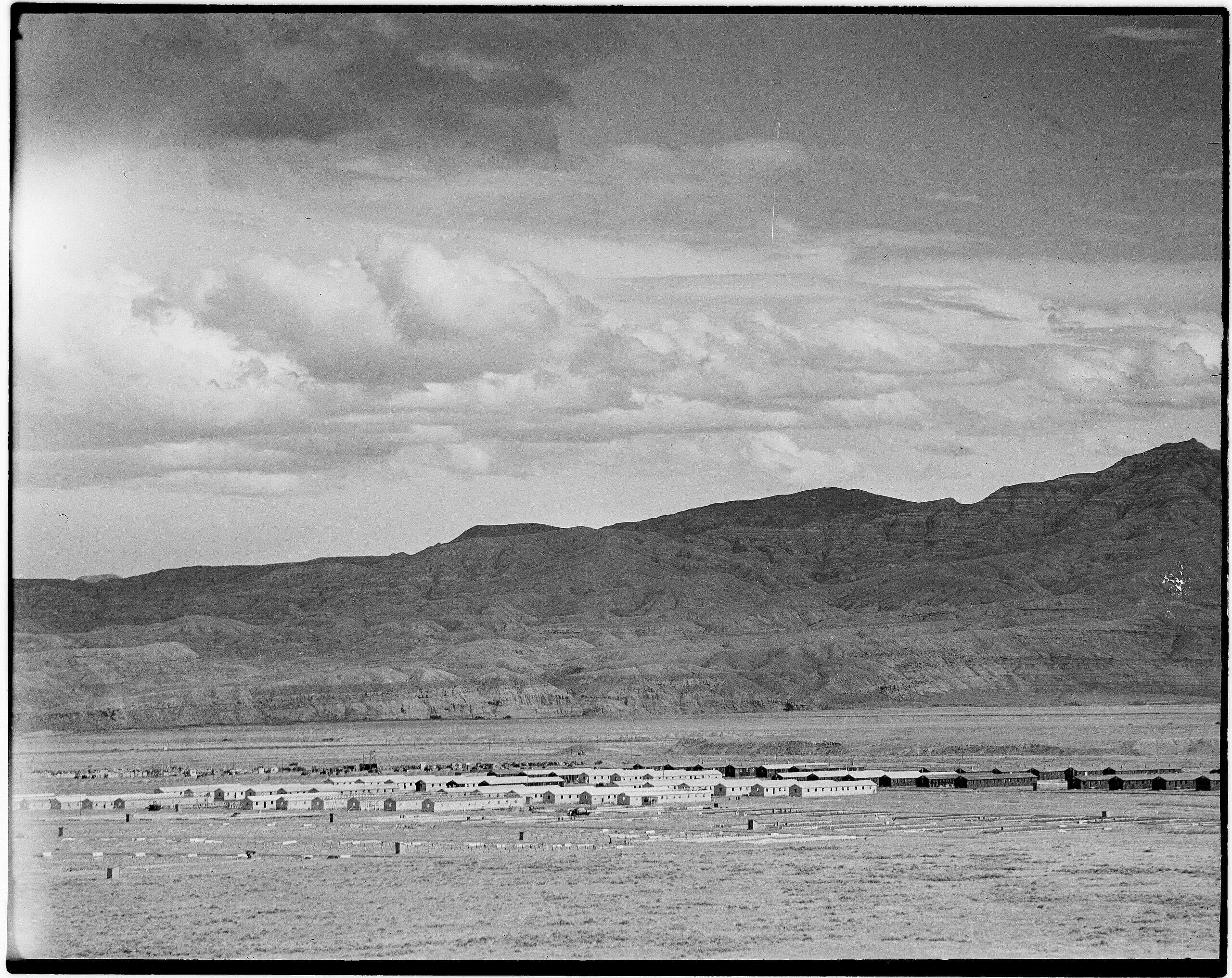
Construction of Heart Mountain Relocation Center began in the summer of 1942, transforming the sagebrush landscape into one of ten War Relocation Authority camps in the United States. Within months, hundred of barracks, schools, administration buildings, mess halls, and more had been built to house the Japanese Americans forcibly removed from their homes. At its peak on January 1, 1943, the camp held 10,767 detainees. In total, 14,025 individuals were incarcerated over the camp’s lifespan from 1942-1945.
Stepping into Heart Mountain
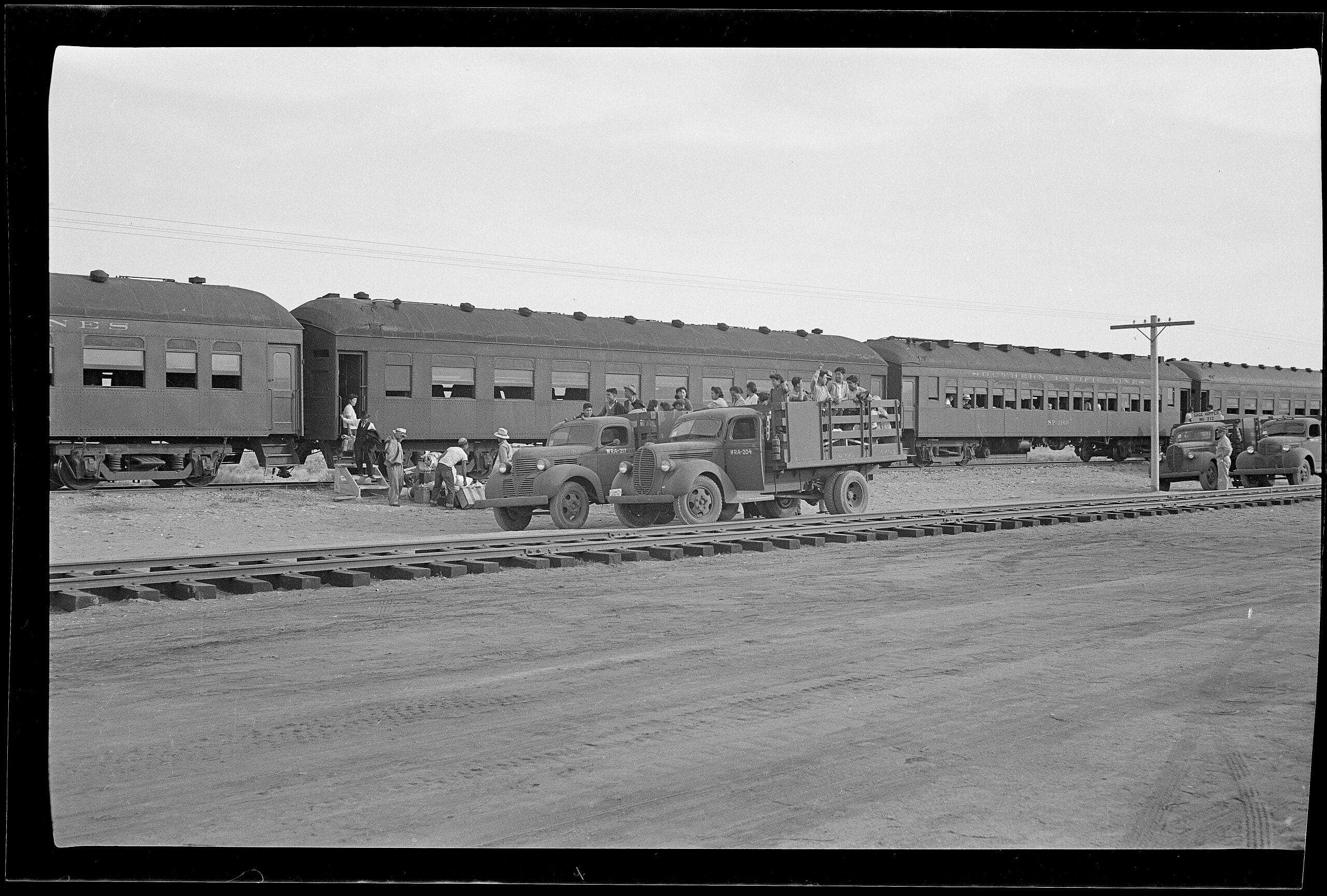
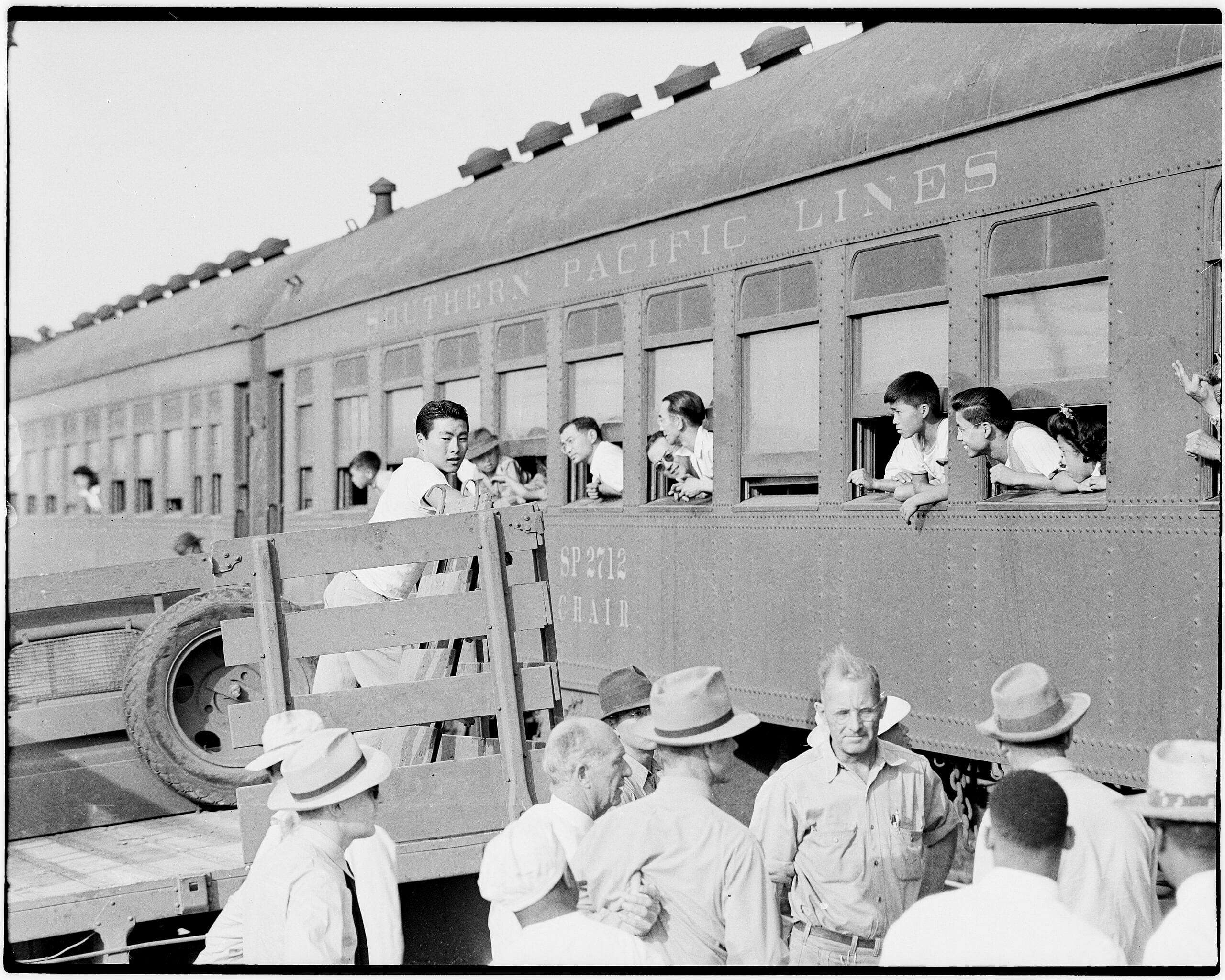
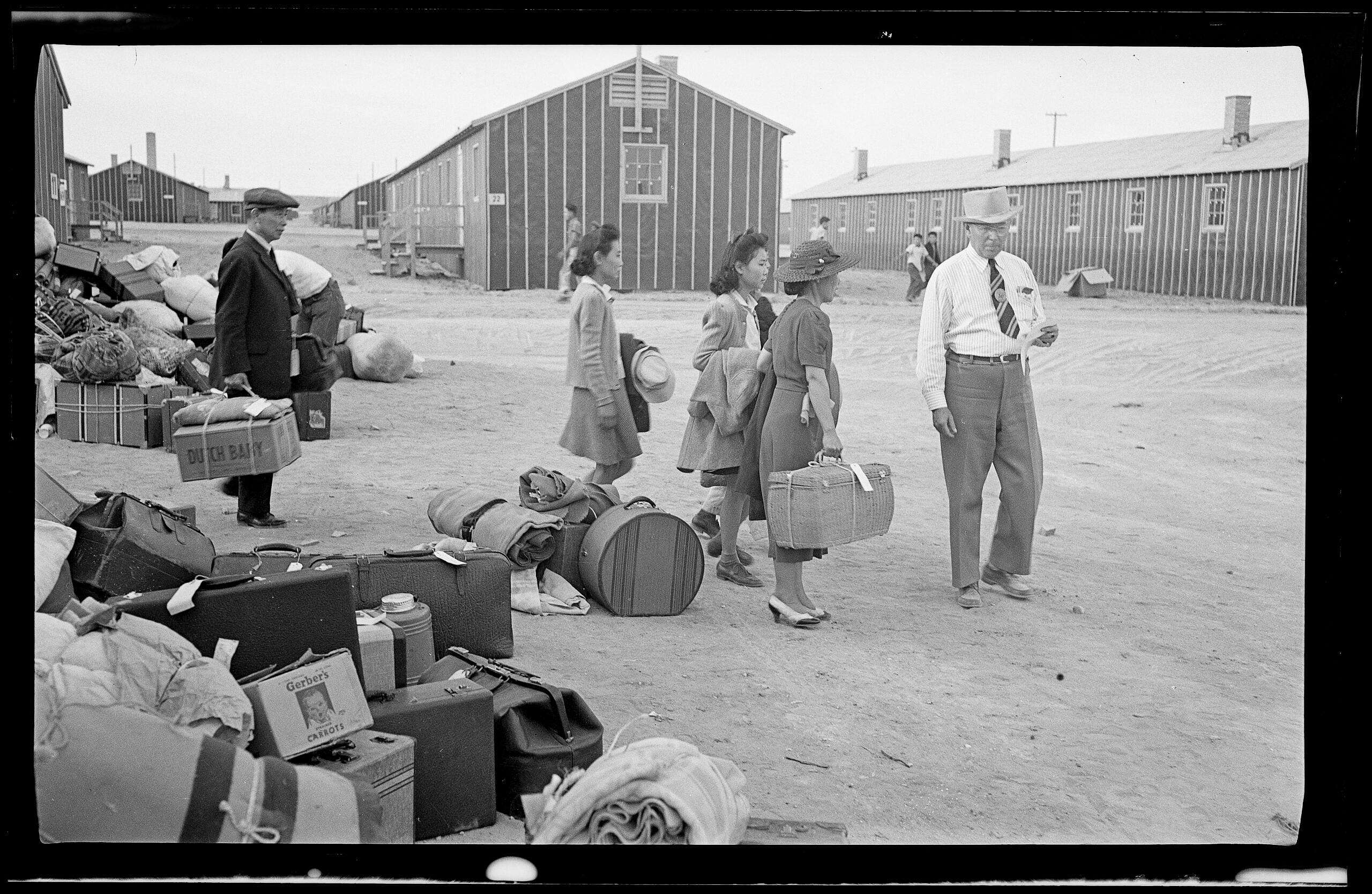
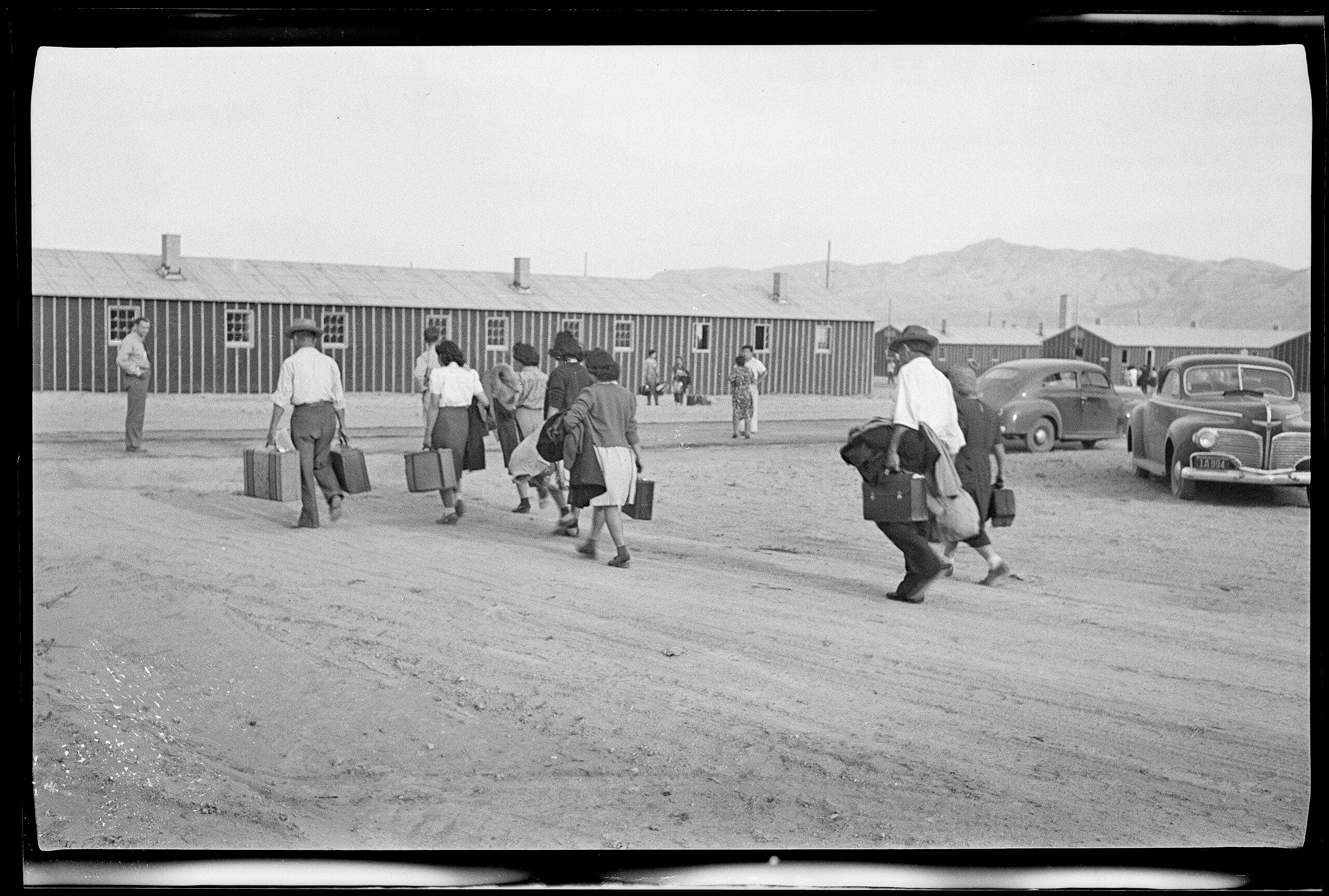
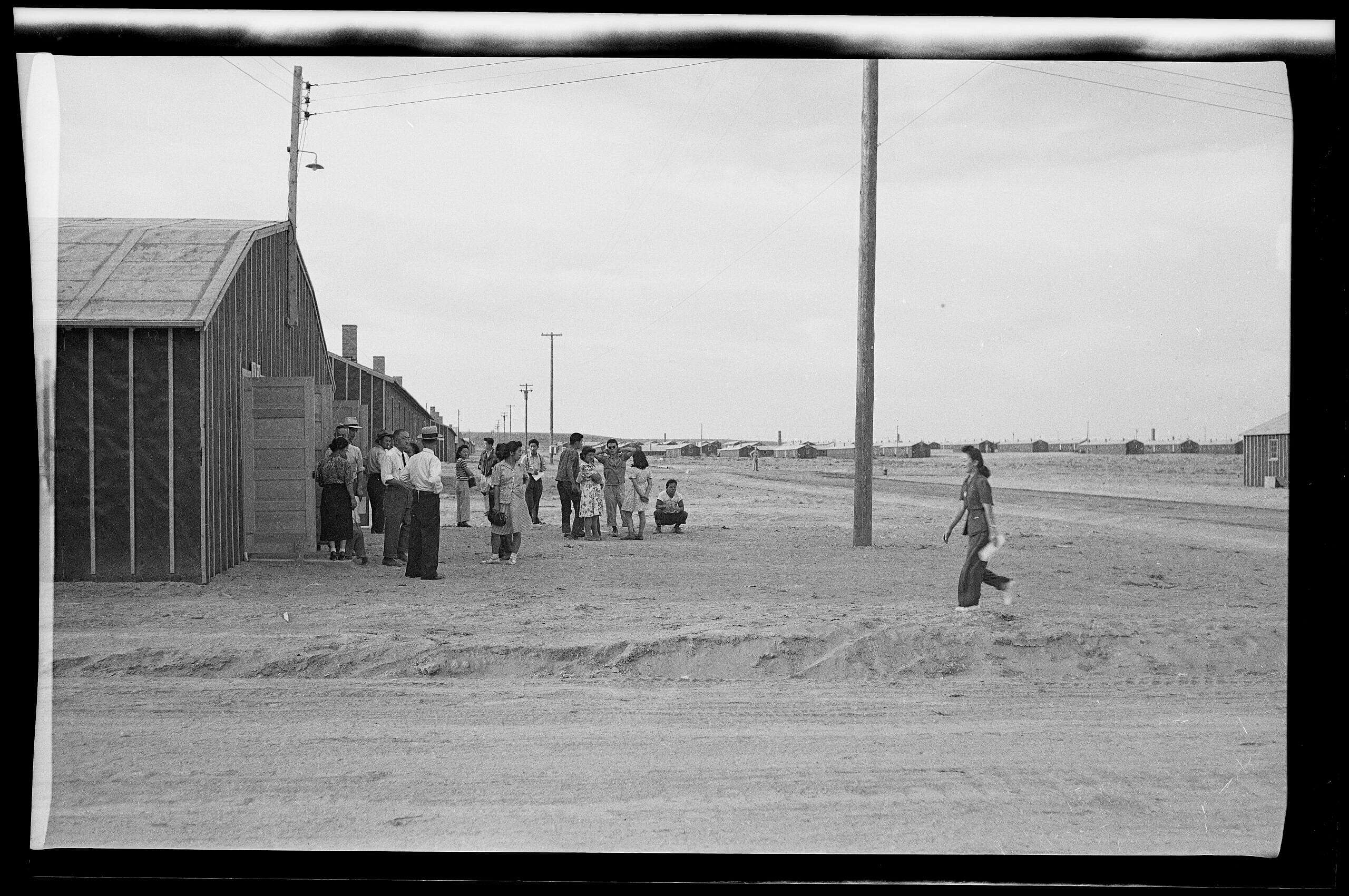
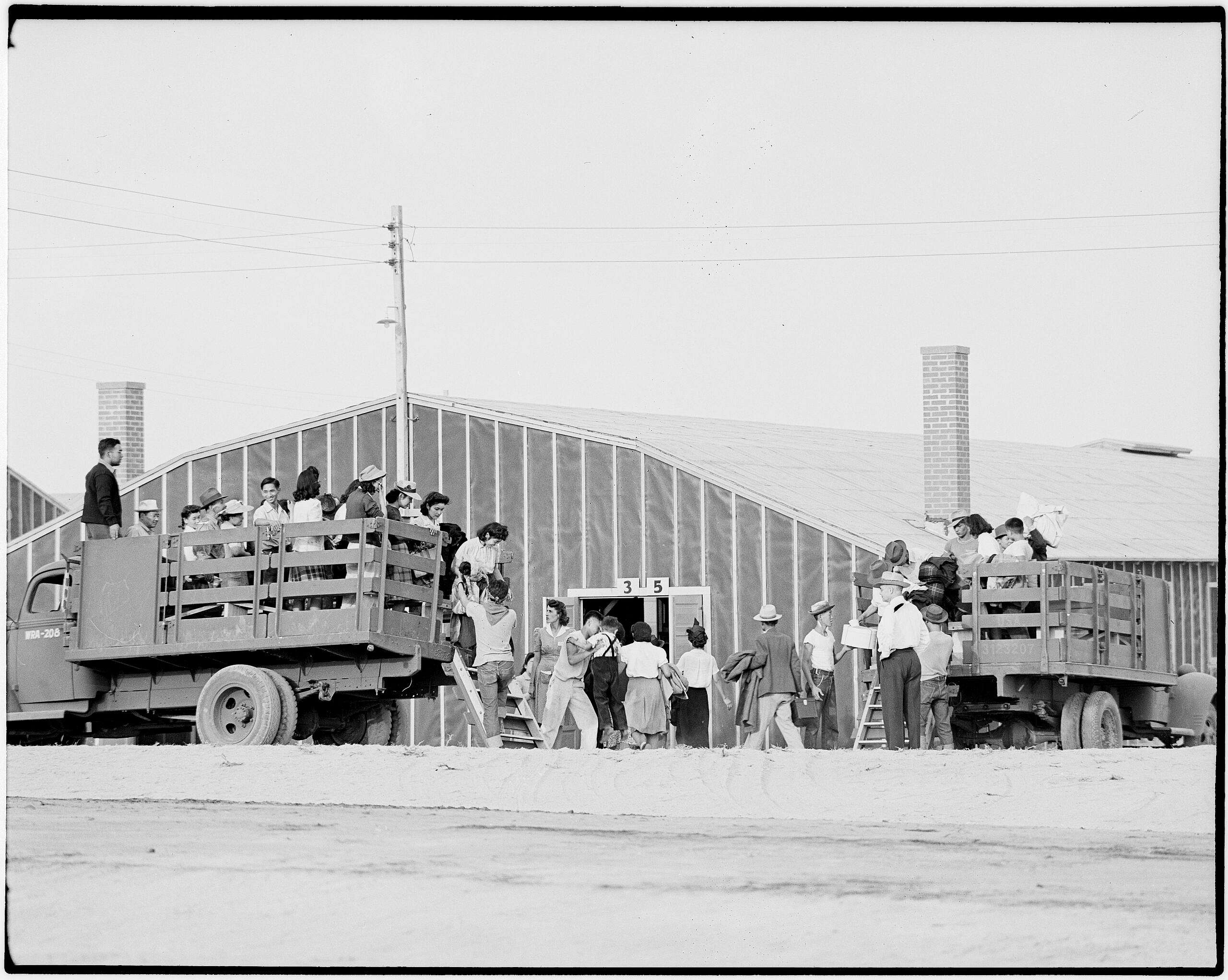
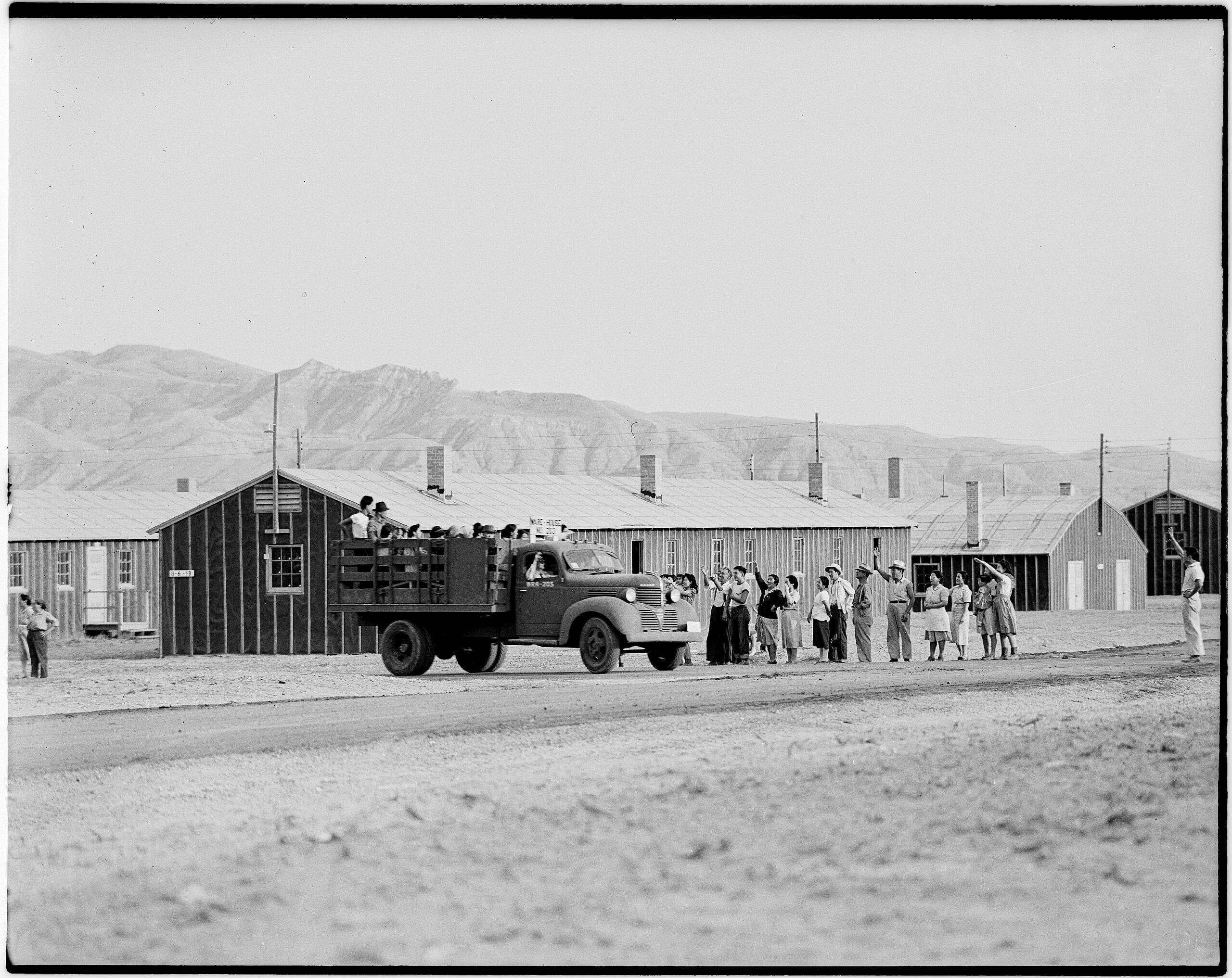
For thousands of Japanese Americans, arriving at Heart Mountain Relocation Center marked the beginning of life in an unfamiliar place. Families moved into hastily constructed barracks carrying only the belongings they were permitted to bring, often only what they could carry. Thus began the difficult process of creating a sense of home under extraordinary circumstances.
The Landscape of Daily Life
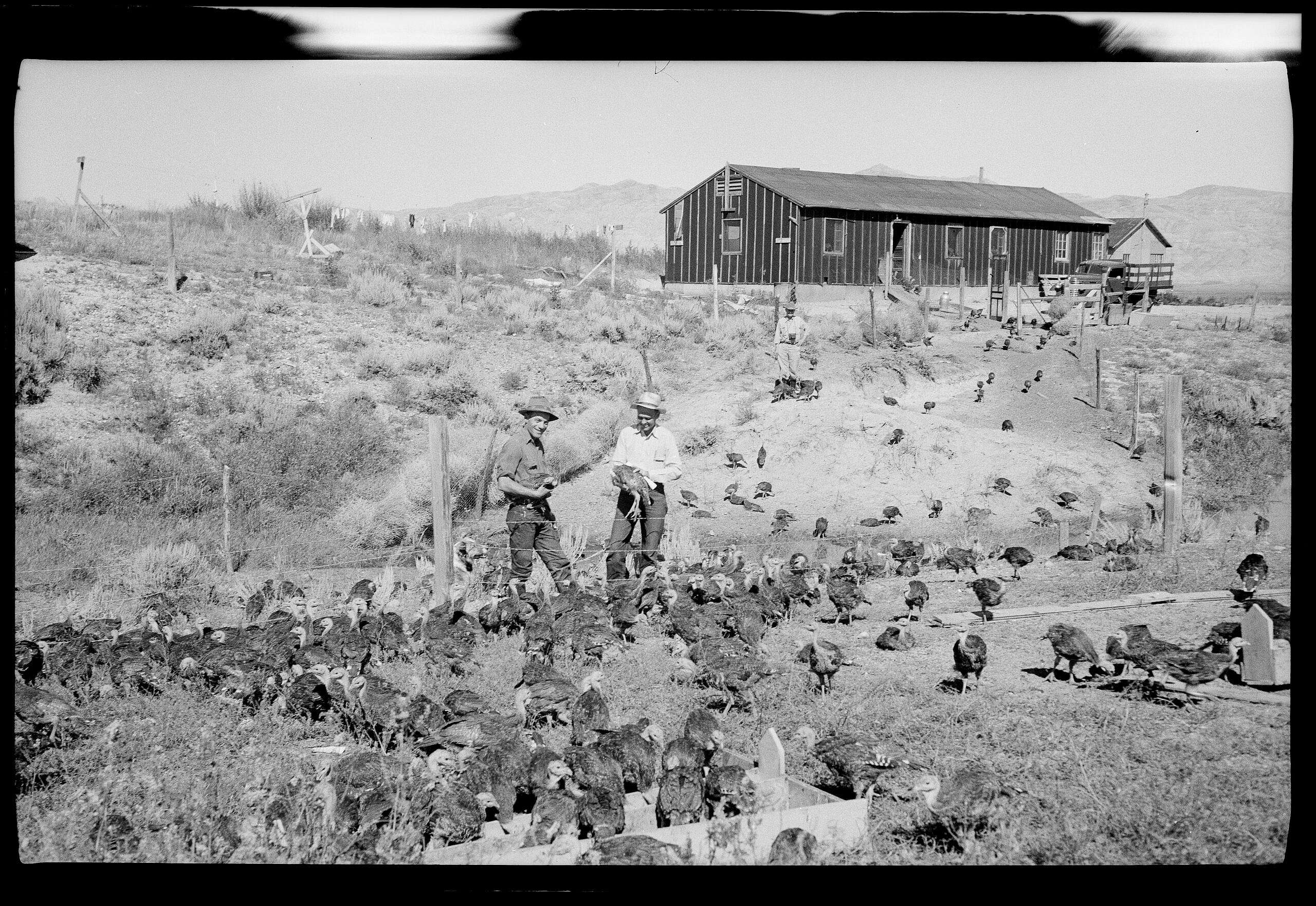
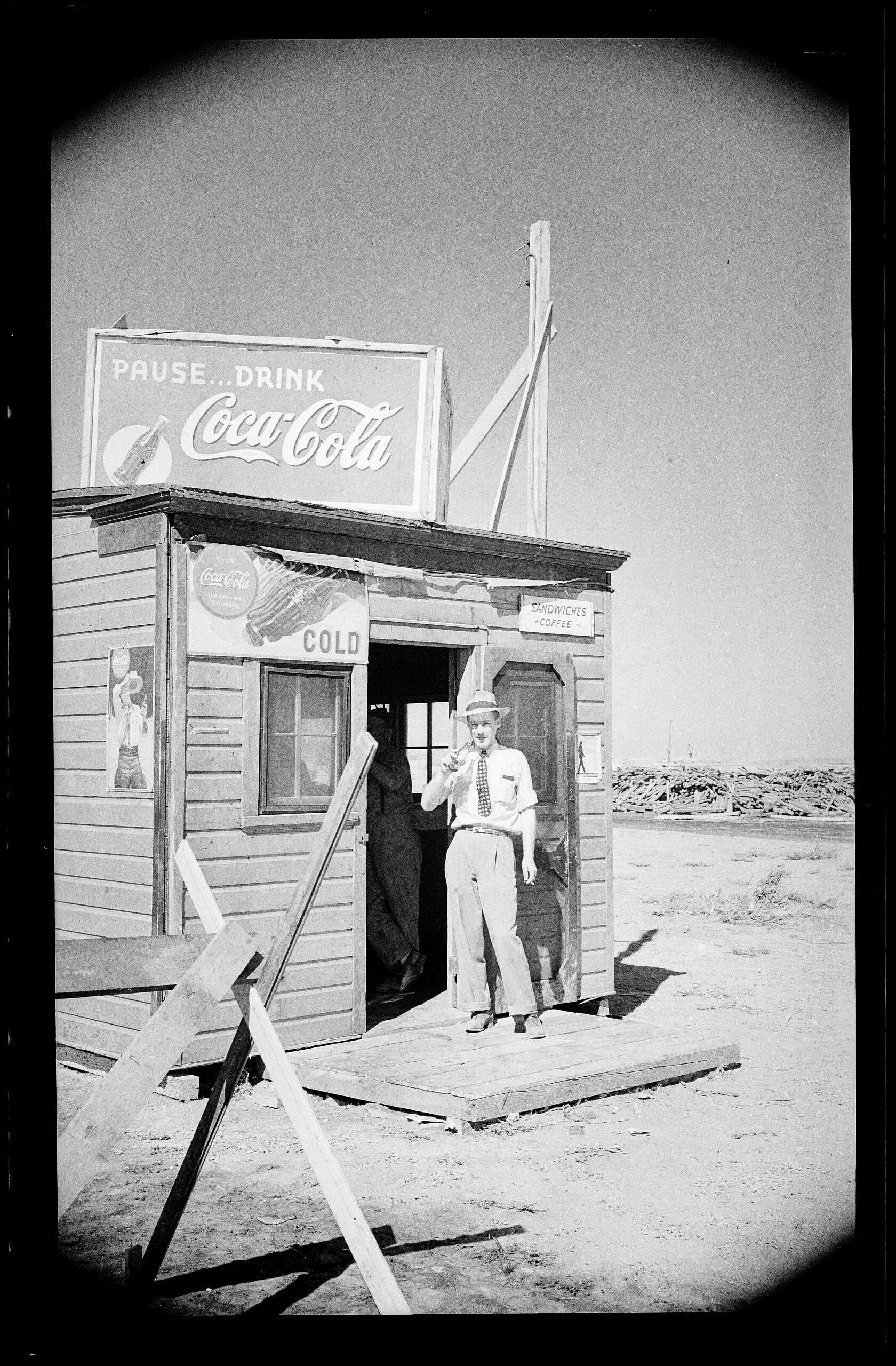
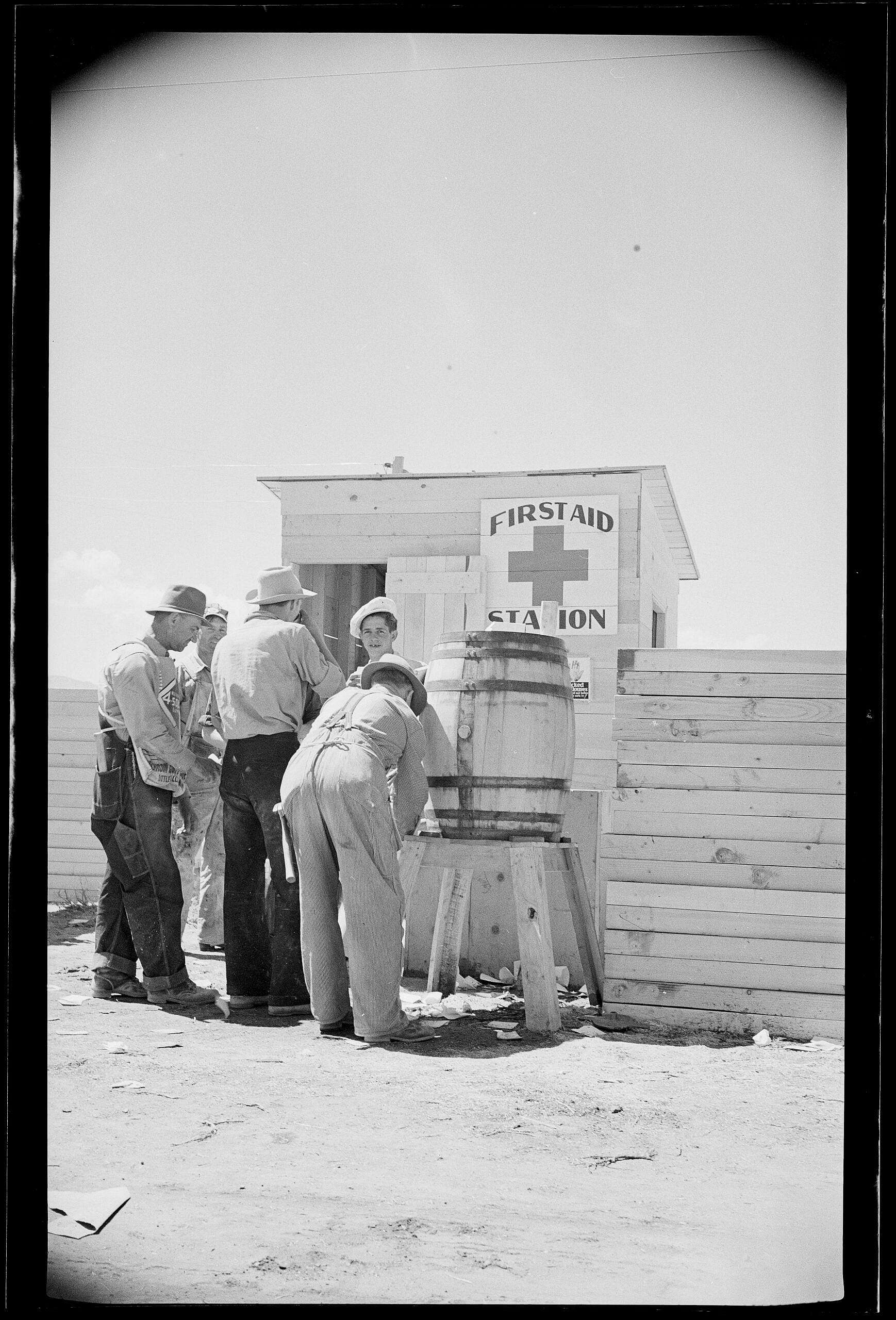
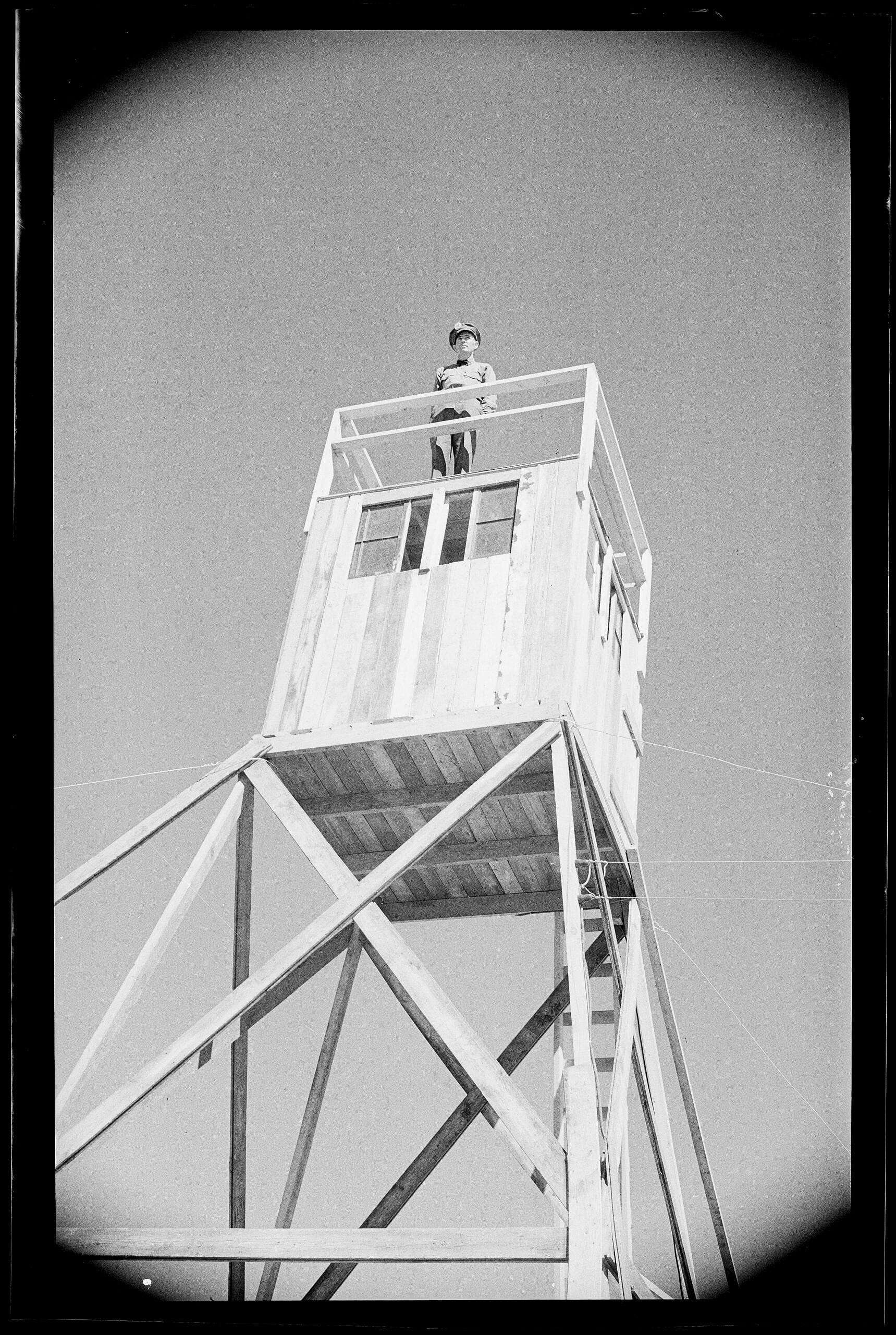
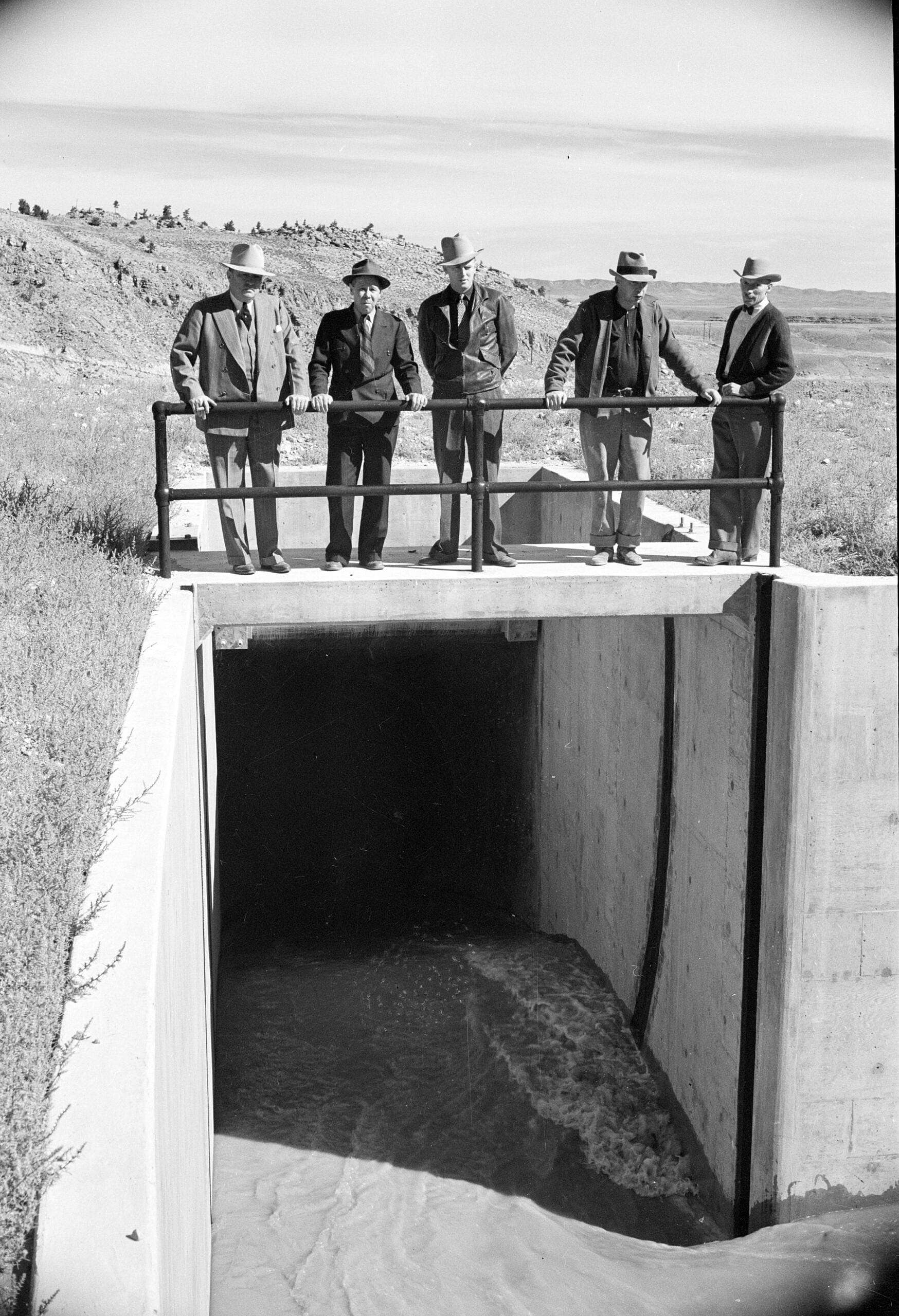
Beyond its rows of barracks, Heart Mountain Relocation Center functioned as a vibrant community with schools, hospitals, workshops, fire departments, and various gathering places, among other things. At the same time, fences and guard towers served as constant reminders that this was a place of confinement. These photographs capture the physical setting where daily life took place.
Building a Community
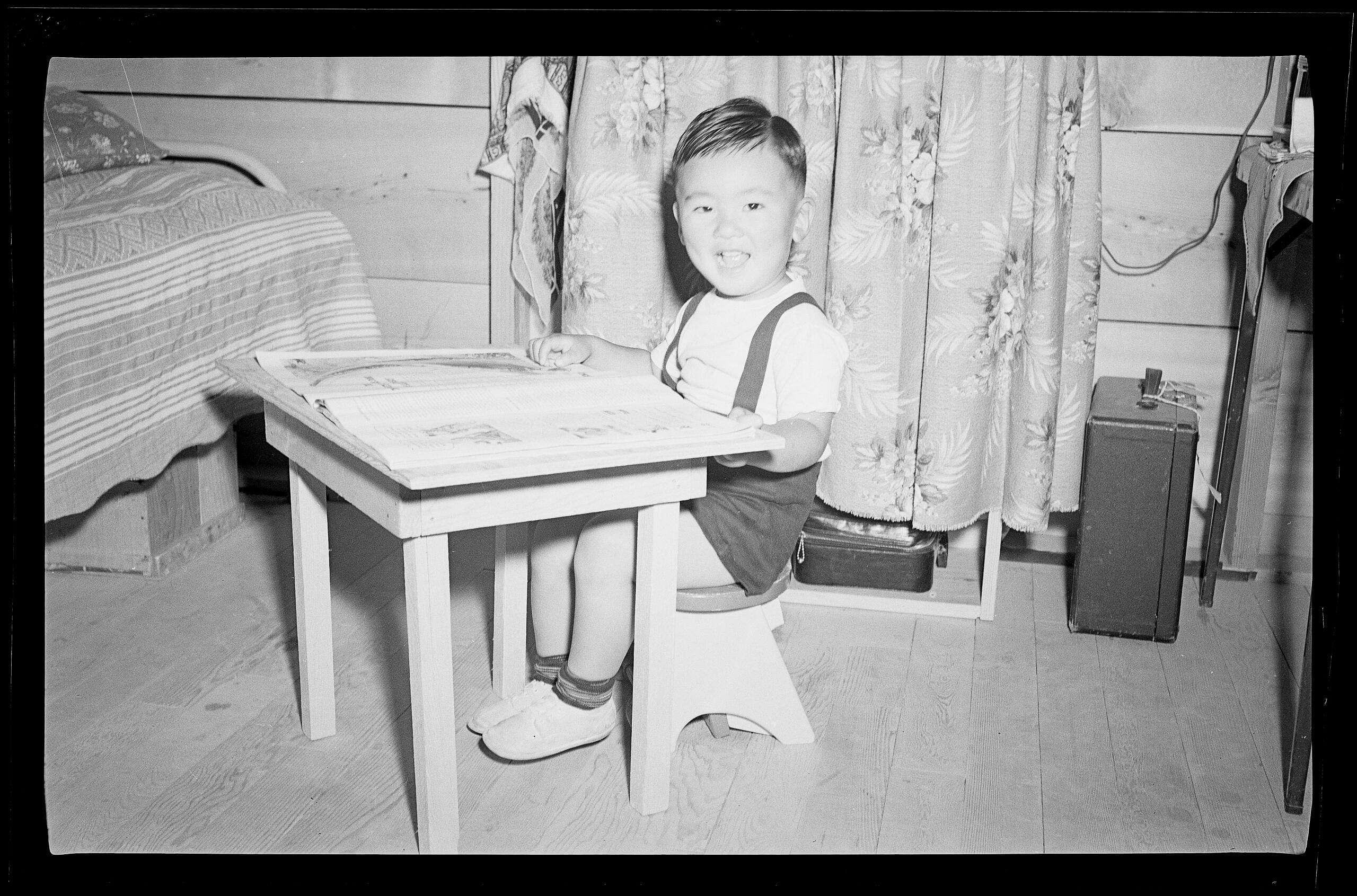
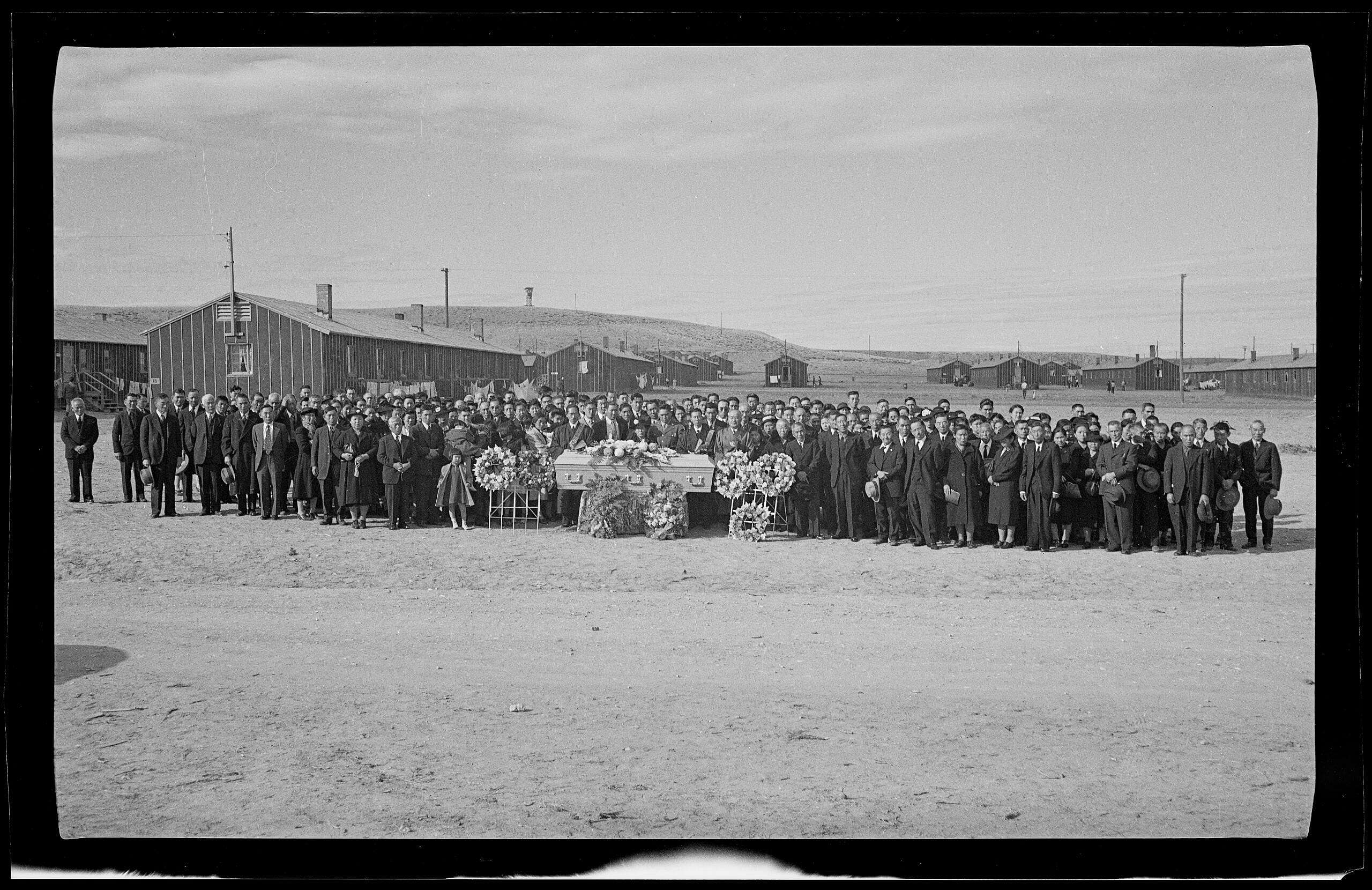
Daily life at Heart Mountain was shaped by routines familiar to many communities. Children attended school, families gathered for photographs, neighbors celebrated milestones, funerals were observed, and residents found ways to maintain their traditions. These moments existed alongside the reality of incarceration, revealing the complexity of life within the camp.
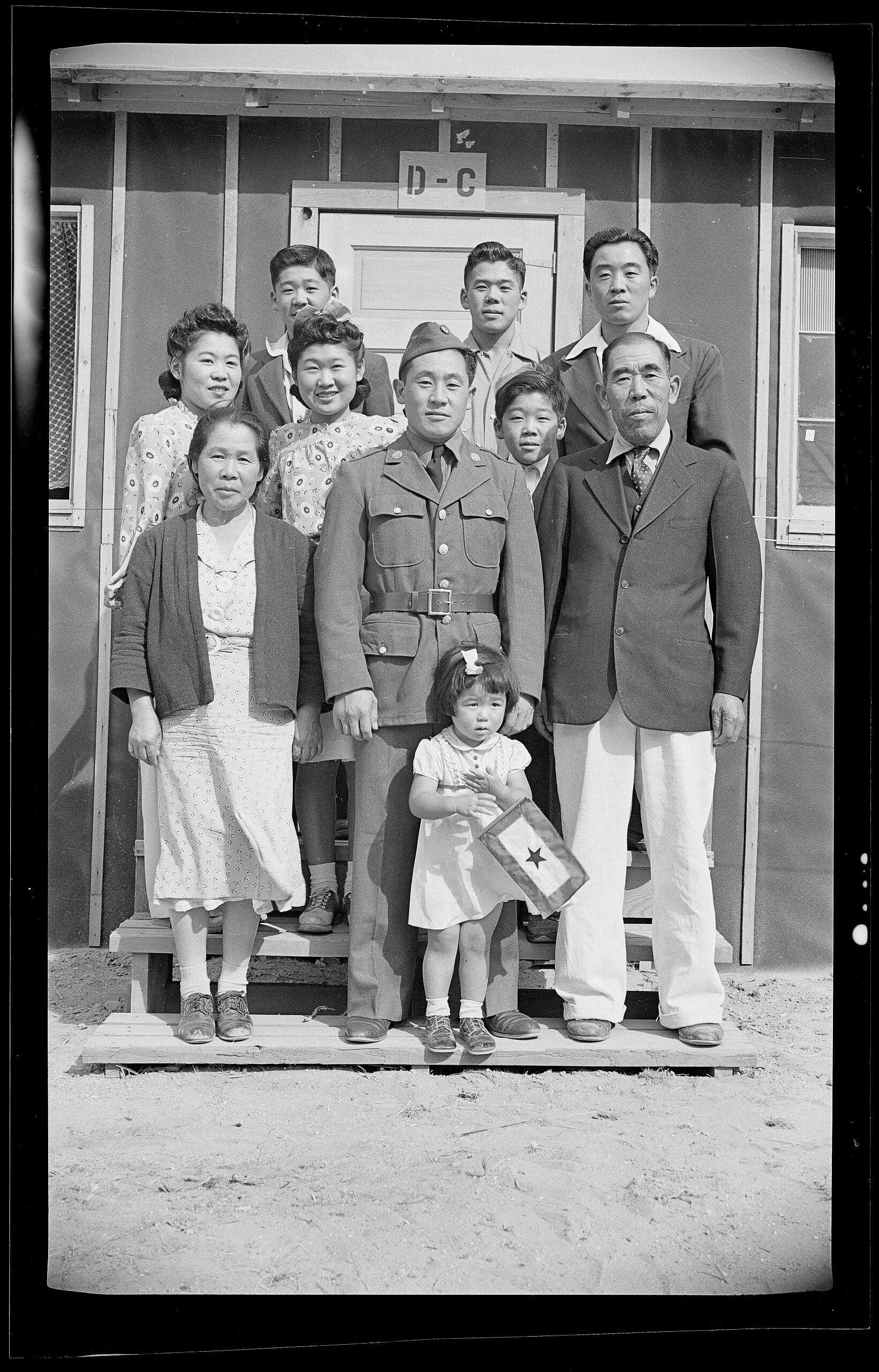
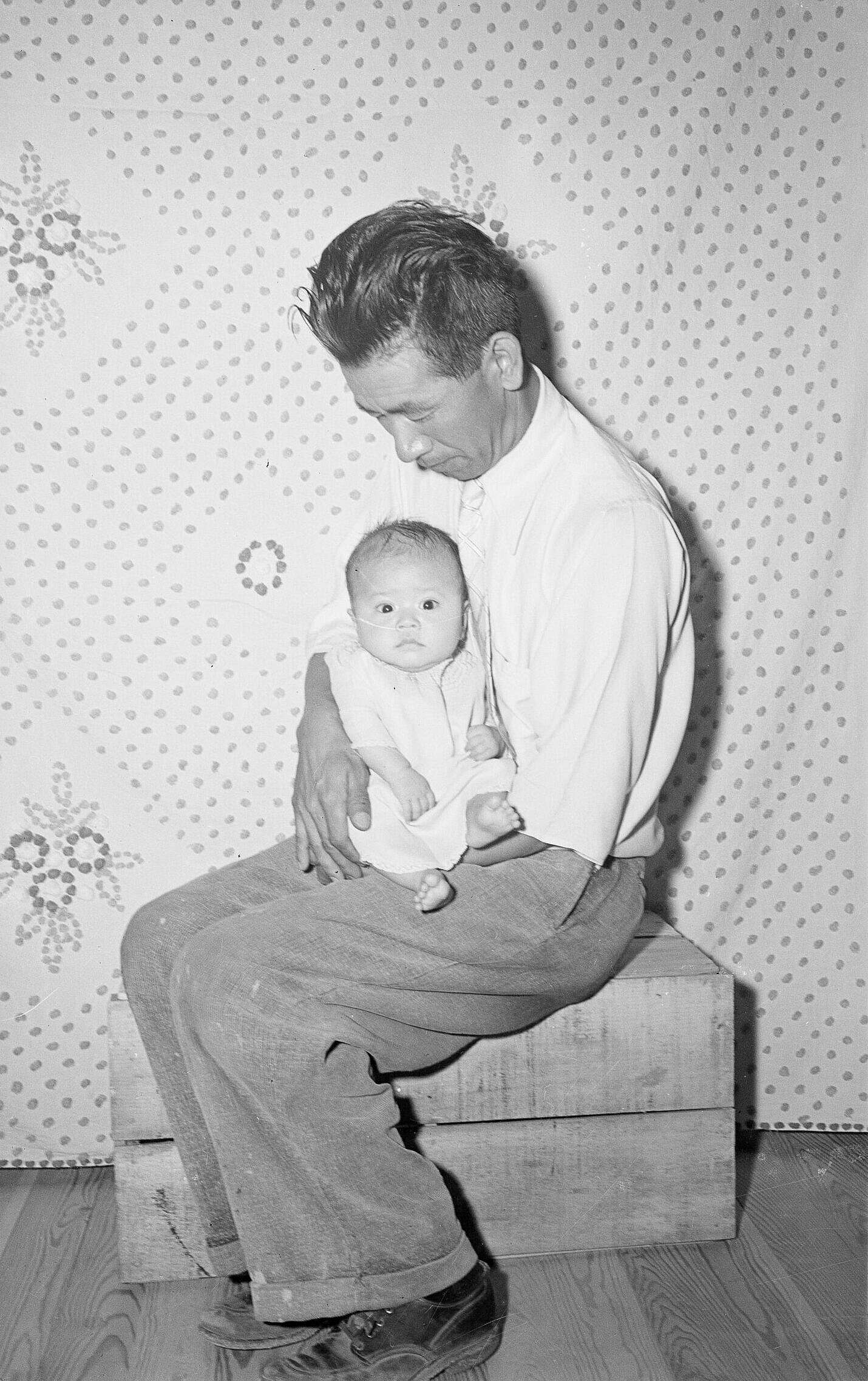
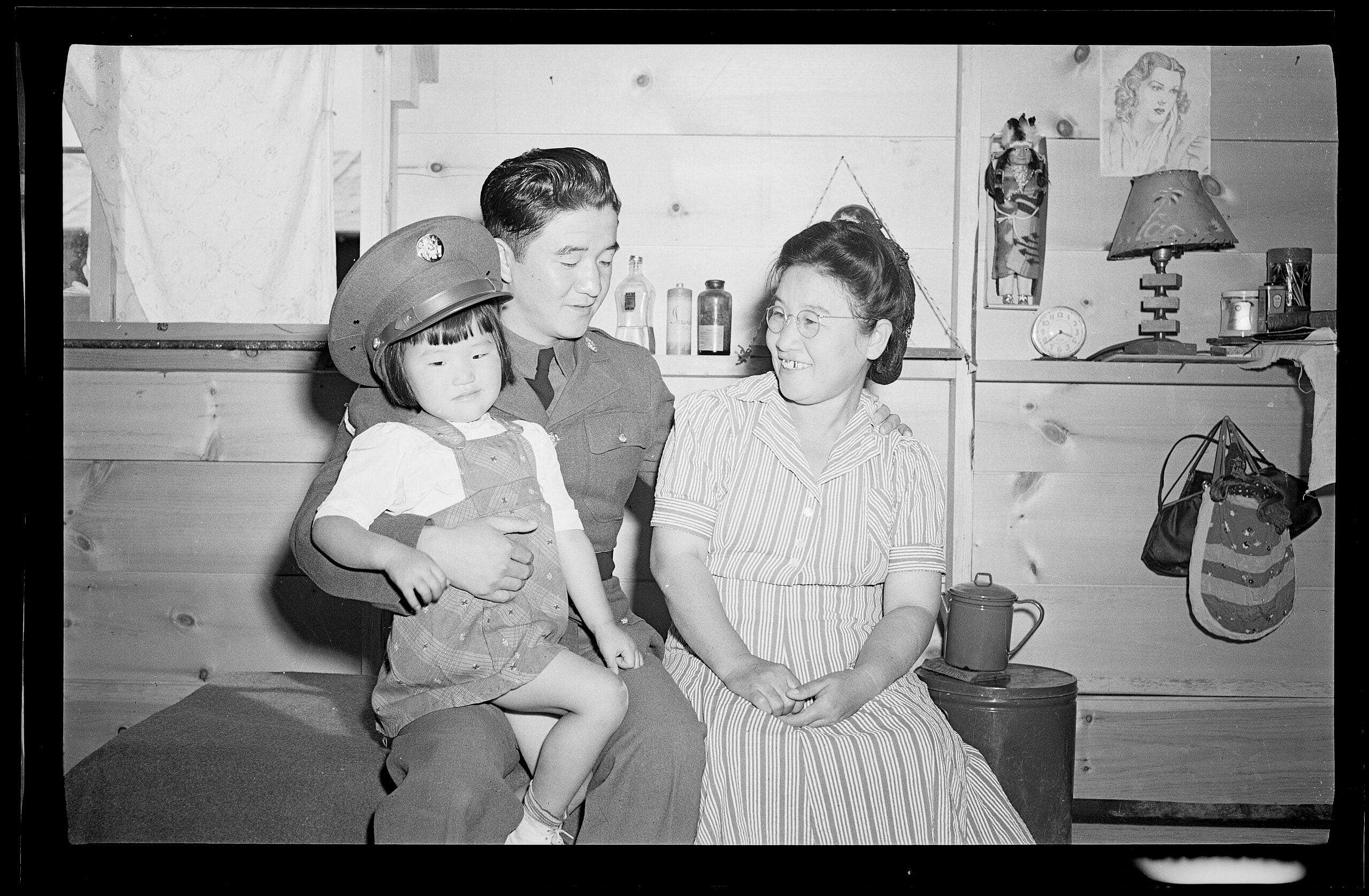
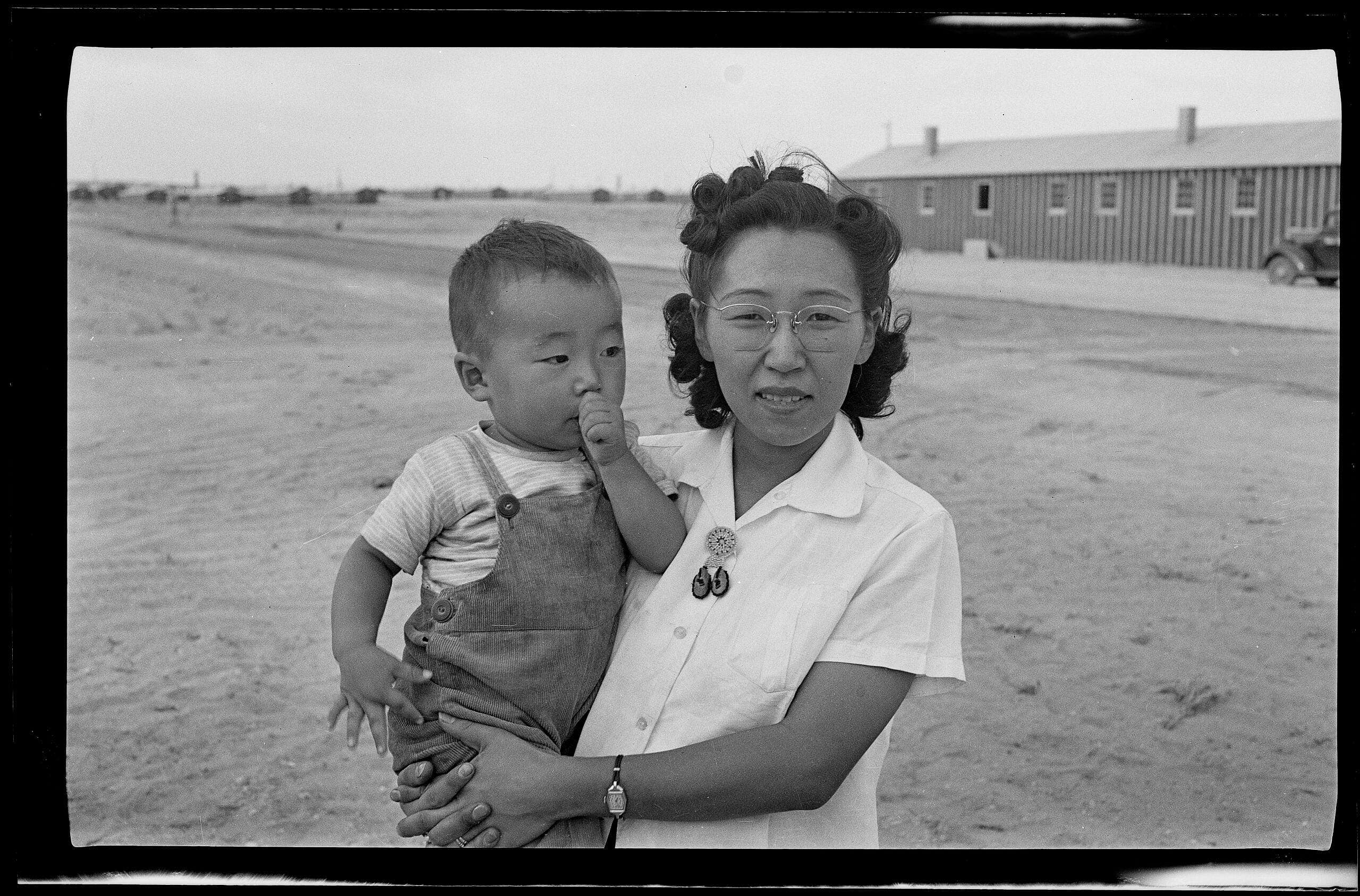
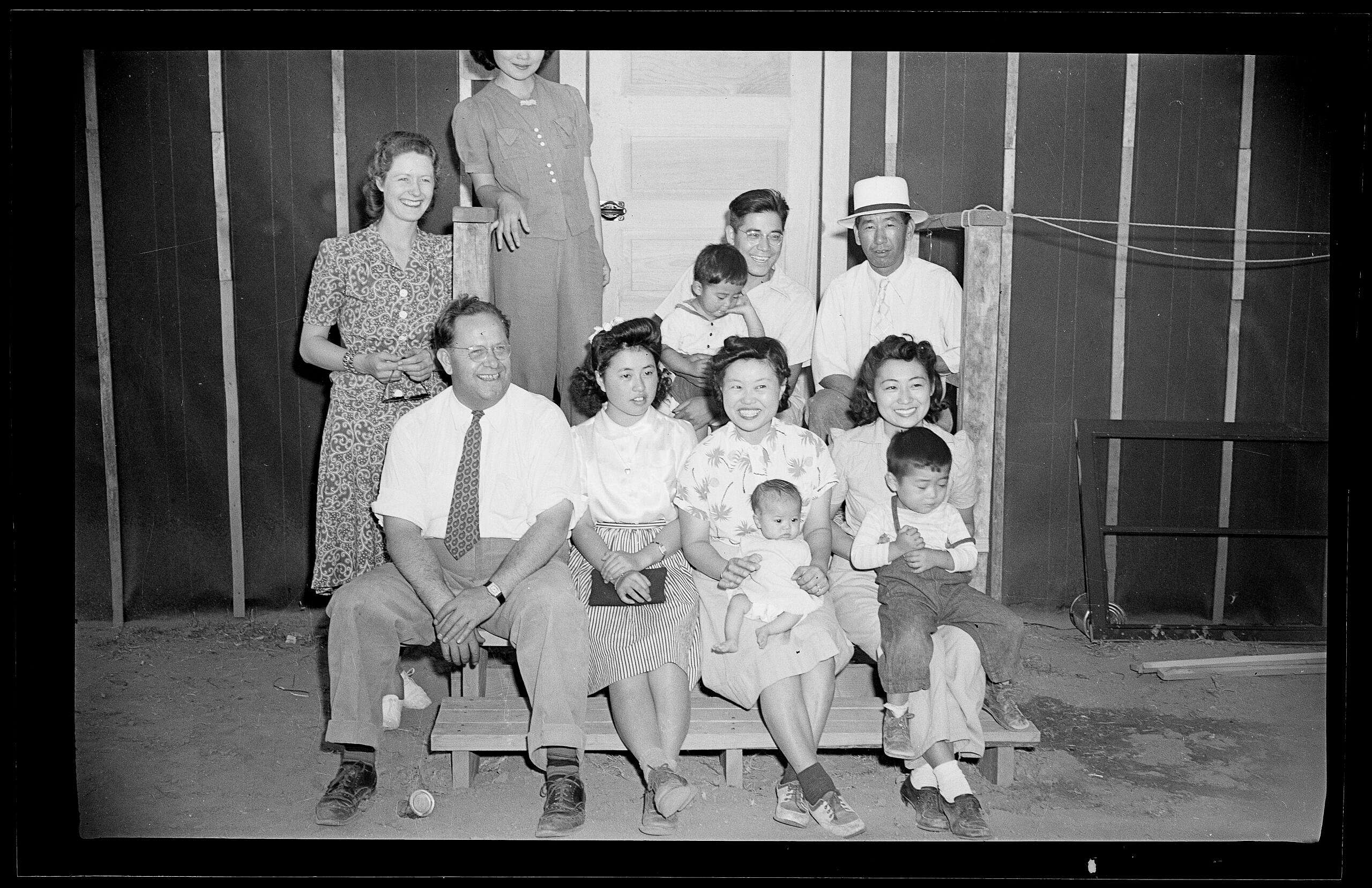
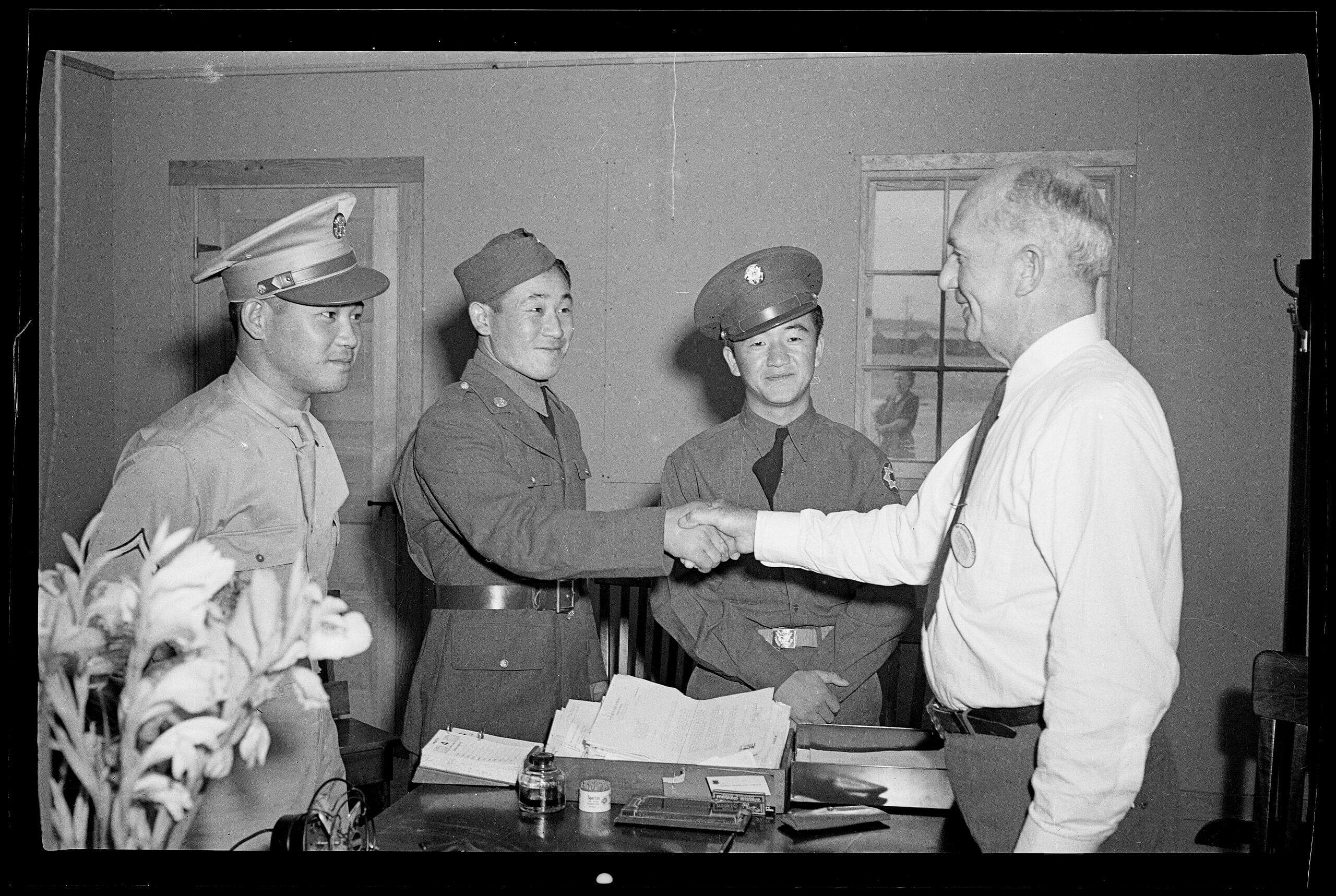
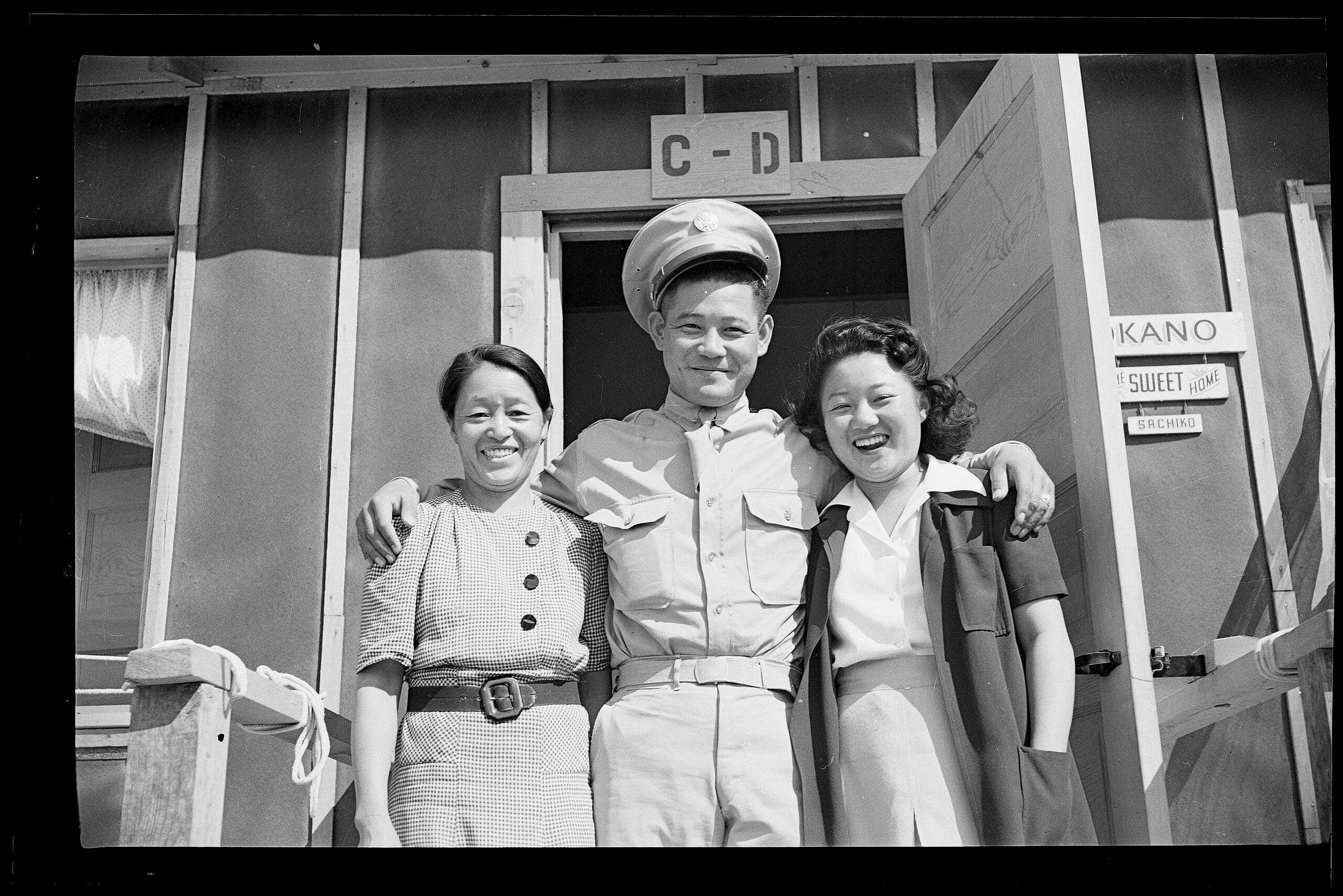
Jack Richard Collection, PN.89.111.21236.16
A Broader Perspective
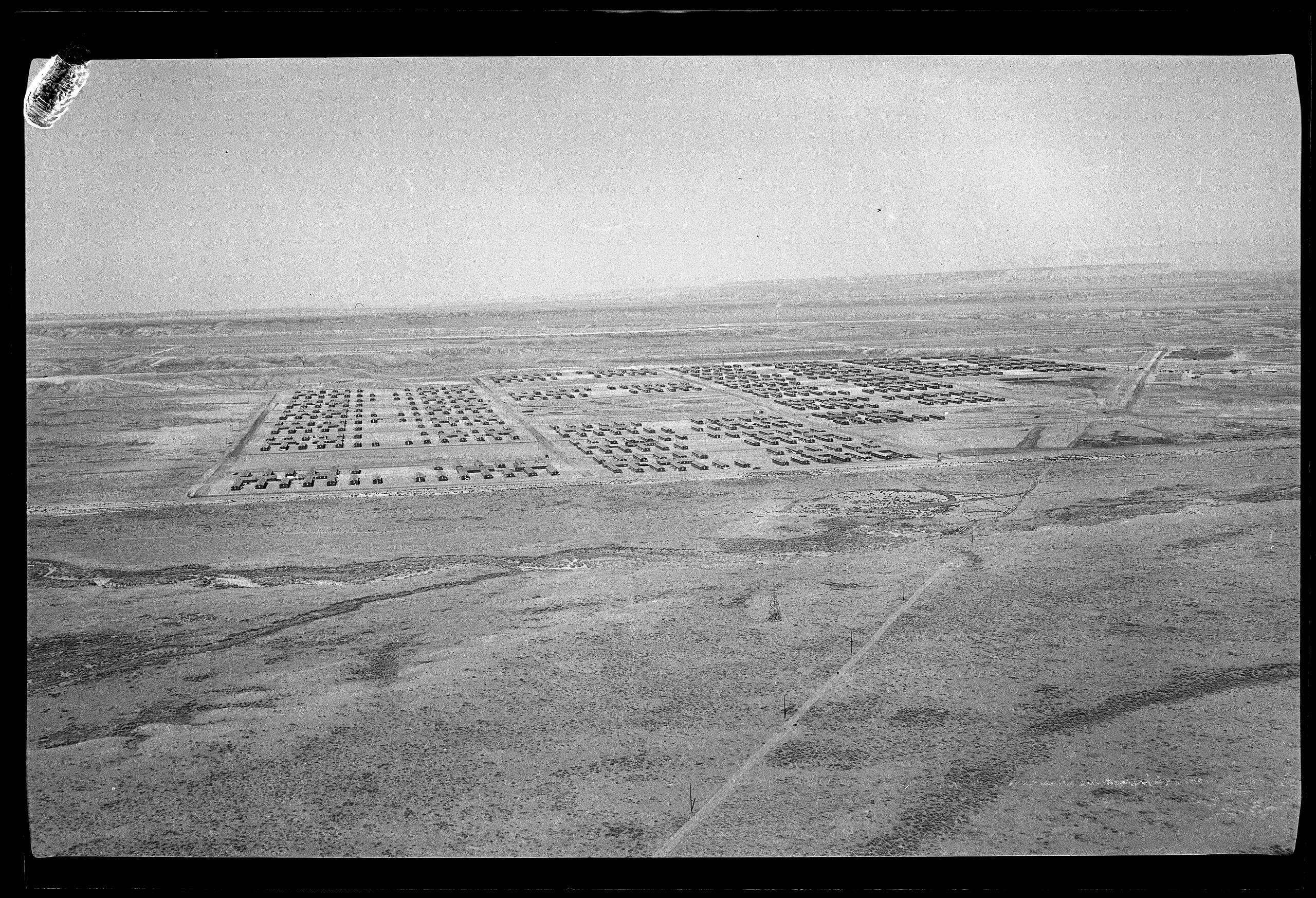
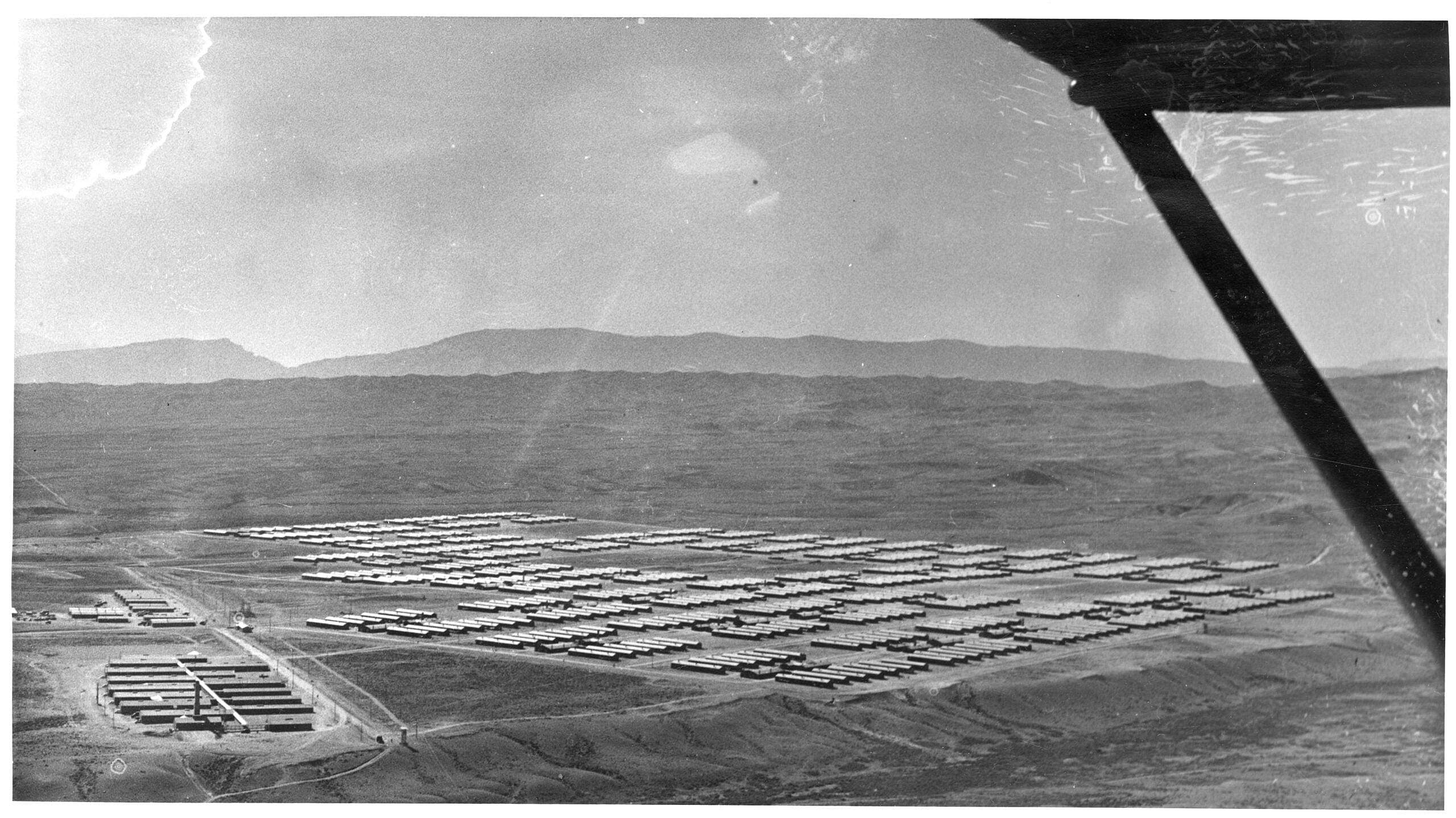
From above, Heart Mountain Relocation Center appears as an orderly grid of barracks, roads, and community buildings stretching across the Wyoming landscape. After seeing the Japanese-Americans who called Heart Mountain home, it’s impossible to view these aerial shots as simple structures on the ground. Now, they remind us that each barrack was a home to families, friends, routines, and memories that continue to shape the history of Heart Mountain today.
Beyond the Photograph
Photographs have the remarkable ability to preserve a single moment in time. The pictures above offer glimpses into daily life at Heart Mountain Relocation Center, but they only represent part of the historical record.
At the McCracken Research Library, these images are complemented by archival collections and published works that provide additional context and perspective. The MS 611 Heart Mountain Relocation Center collection houses memoirs, correspondence, educational materials, oral histories, newspaper clippings, and other records that document life in the camp, as well as the efforts to preserve and interpret its history in the decades since the camp’s closing. You can browse MS 611 Heart Mountain Relocation Center collection here.
Published histories, memoirs, and scholarly works provide additional context and interpretation that deepen our understanding of Heart Mountain. The McCracken’s book collection and associated bibliographies offer readers an opportunity to continue learning through a wide range of voices and perspectives. You can explore our bibliography on books relating to the history of Heart Mountain Relocation Center here.
For more information on Heart Mountain and life in the camp, visit the Heart Mountain Interpretive Center site.

Written By
Cassandra Day
Cassandra Day is the Archivist of the McCracken Research Library at the Buffalo Bill Center of the West, where she specializes in the preservation, interpretation, and accessibility of historical records. She holds a Bachelor of Arts in History from Georgia Southern University and a Master of Science in Archival Studies from Clayton State University. Additionally, she is a Certified Archivist through the Academy of Certified Archivists. Her research interests include World War II and Cold War codebreaking, oral history methodologies and best practices, and the exploration of regional identities through rodeo. She is passionate about making archival materials accessible and engaging while preserving the voices and stories that shape our understanding of the past.
You May Also Like
Rare Book Highlights: The Indians’ Book
Sep 02, 2026

"Wellnigh impossible is it for civilized man to conceive of...
Research Made Easy: Exploring the McCracken Research Library’s Collections
Mar 23, 2026

Archival and library research can feel overwhelming for even the...
From the Badlands to the Tetons: A 1930s Family Road Trip West
Sep 14, 2026
Long before smartphones and GPS guided travelers across the country,...
The Ultimate Wyoming Wildlife Guide: Expert Viewing Tips
Sep 28, 2026

Grizzly Flowers. Photo by Julia Cook @julia.littlelightningnature Draper Elk Wyoming...
Speaking in Code: Rare Winchester Telegraph Code Books
Jun 30, 2026
Among the rarest items in the McCracken Research Library’s archival collections...
The Secret Custer Letter: Rediscovering Little Bighorn at 150
Jun 02, 2026
Earlier this year, while reprocessing the MS 89 Jack Richard...
Everything I Need to Know About Life I Learned From Birds
Aug 26, 2026

by Sophie Peterson, 2026 Raptor Intern As I near the...
Buffalo Bill Center of the West Authenticates Trove of Historic Early 1800s Medals
Sep 08, 2026
Buffalo Bill Center of the West authenticates rare early 1800s...
The Life Style of Yellow-bellied Sapsuckers
Sep 16, 2026

Tree girdled with Yellow-bellied Sapsucker Holes © Dennis Donohue /...
The Myth of the Fully Processed Archive
Jul 20, 2026
When you think of an archive, you probably imagine countless collections all perfectly...
Don’t Let History Live in a Shoebox: How to Archive Your Family Treasures
Sep 18, 2026
Are you the designated "historian" in your family? Do you...
Inside the Reading Room: What to Know Before You Visit
Feb 12, 2026
The McCracken Research Library has a reading room that is...