
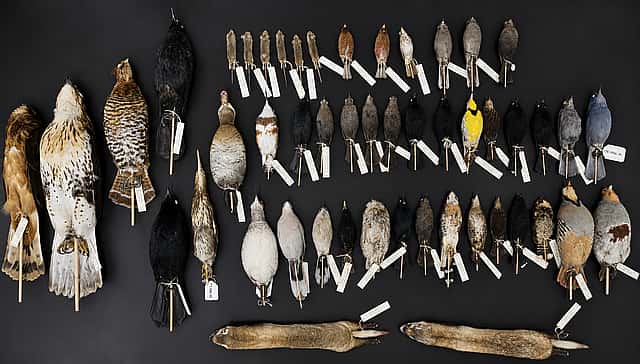
The Art—and Science—of the Roundskin

July 24, 2026
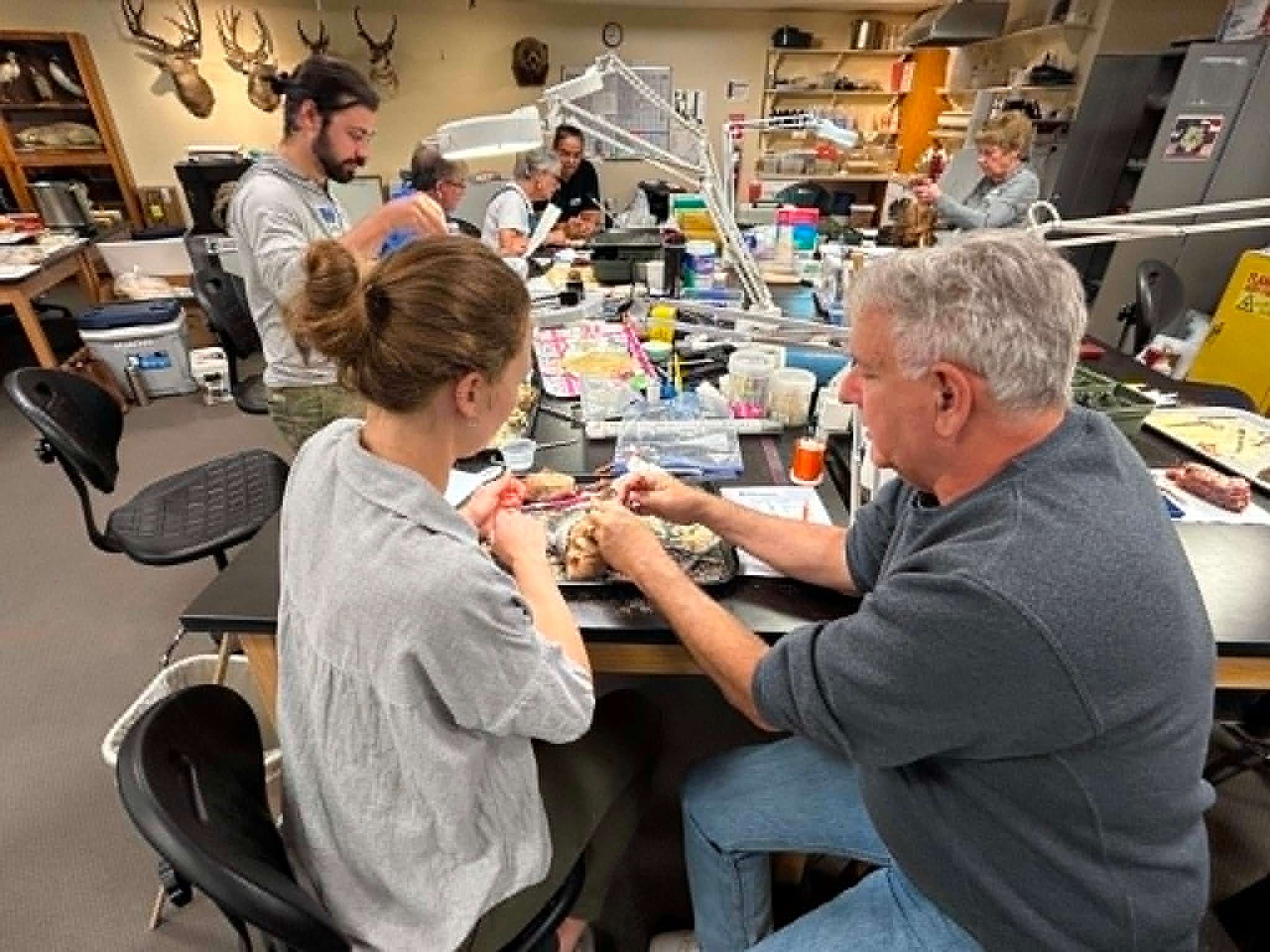
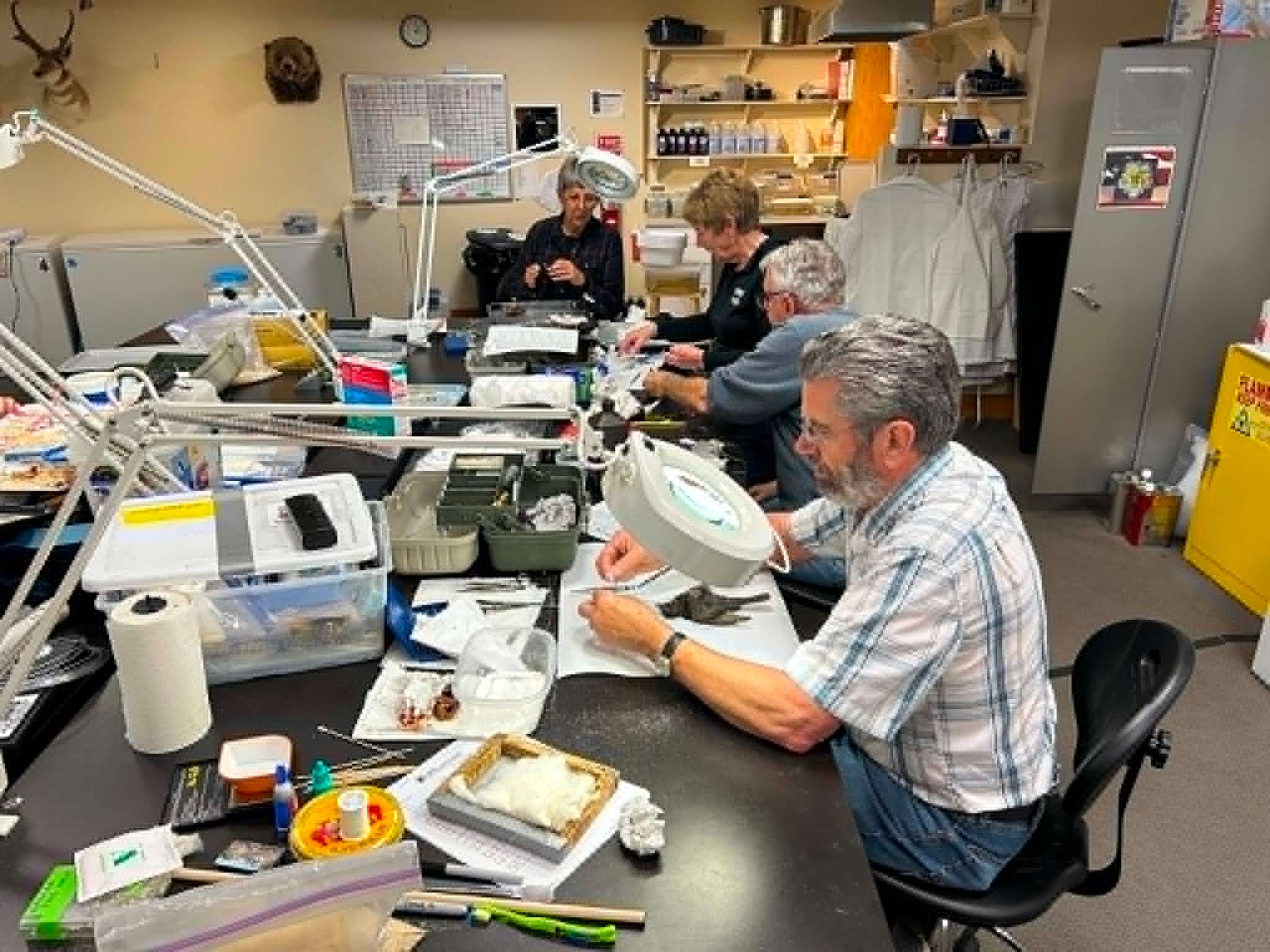
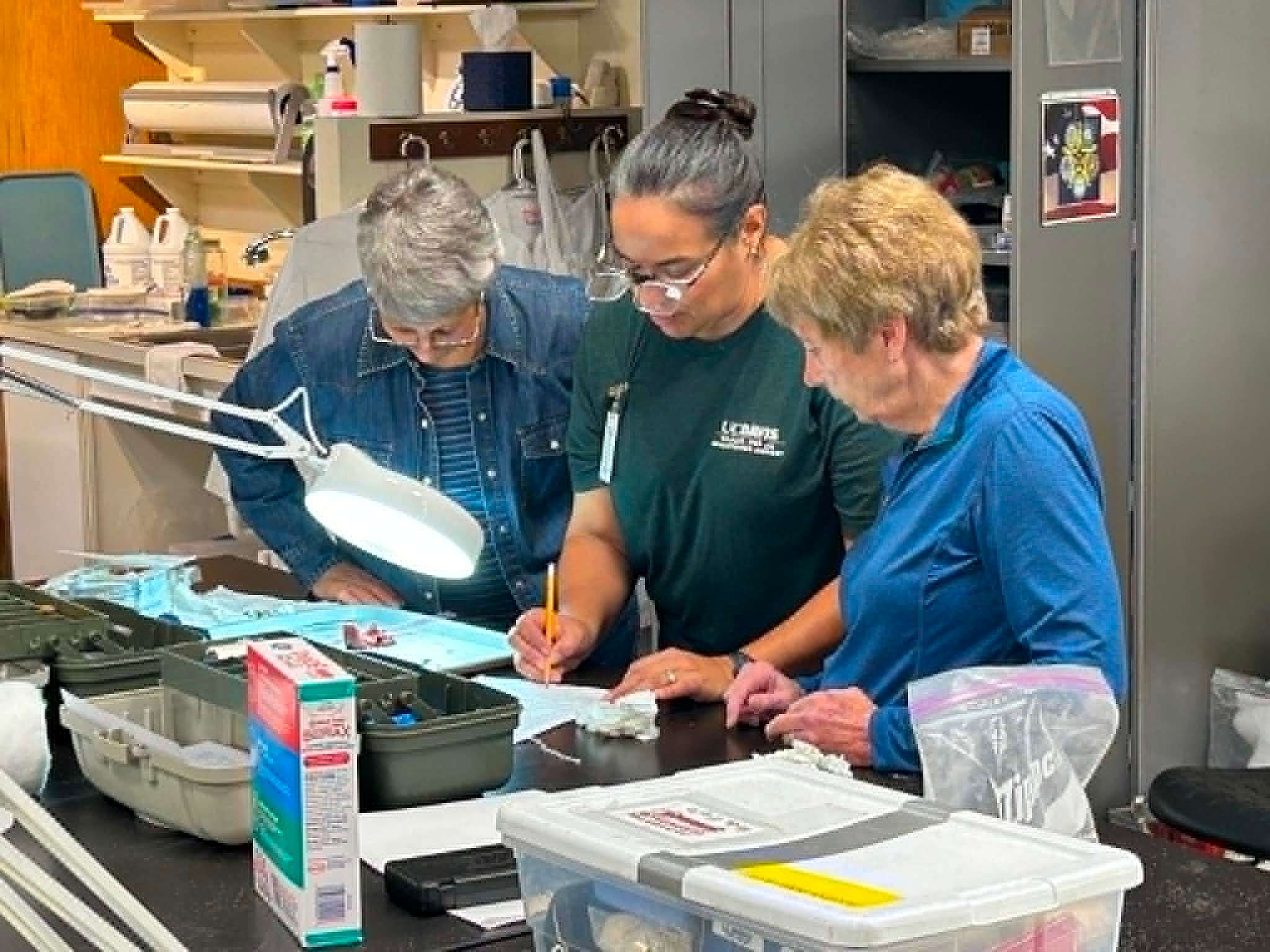
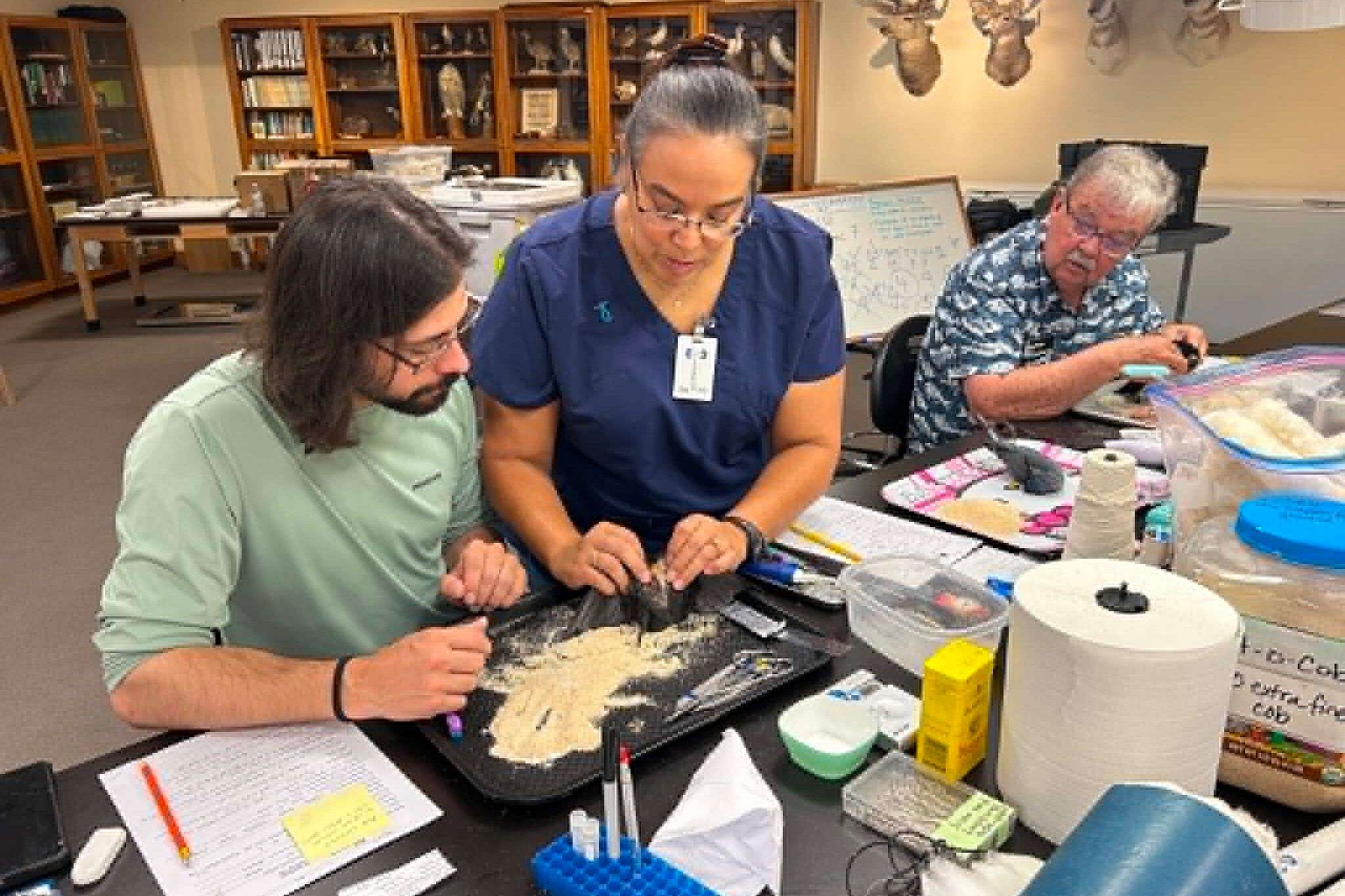
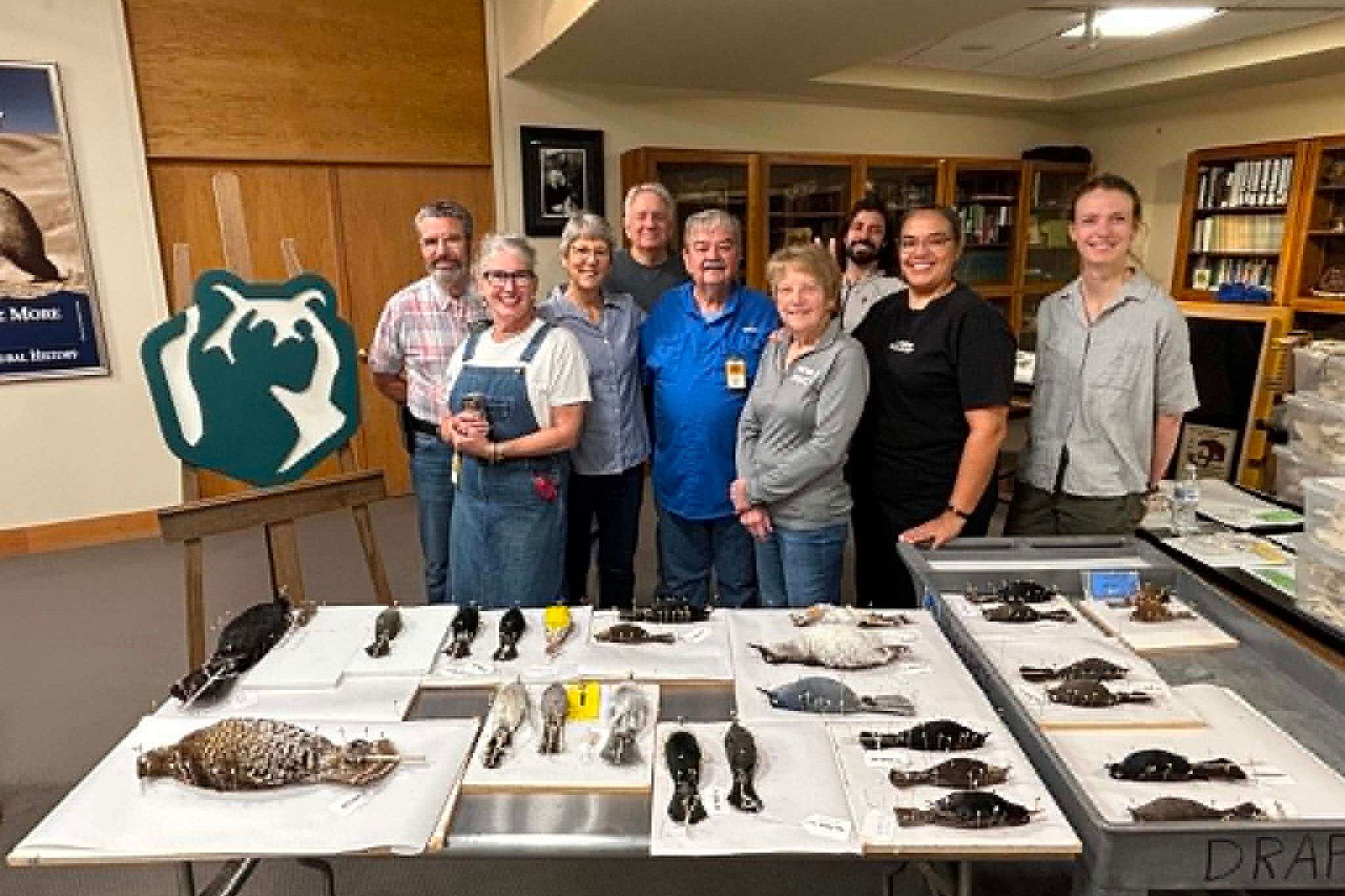
In late May 2026, the Draper Lab was busy as staff and volunteers learned an important preparation skill. Under the watchful eyes of Drs. Andrew Engilis Jr. and Irene Engilis with the University of California, Davis, Museum of Wildlife and Fish Biology, Draper staff and volunteers learned how to prepare roundskins correctly.
Learning a Centuries-Old Museum Skill
Roundskins, also known as study skins, are a rudimentary form of taxidermy. Preparators quickly remove the body to prevent spoilage. Cotton, or in the case of larger animals, excelsior (think A Christmas Story and the packing material for the infamous lamp), then fills that cavity. The resulting specimen should be true to form, meaning its total length should be roughly the same at the end as when the animal was first measured. Museums have been turning specimens into roundskins for hundreds of years. The technique preserves specimens without refrigeration, something that was important during the 19th century’s large museum-building expeditions.
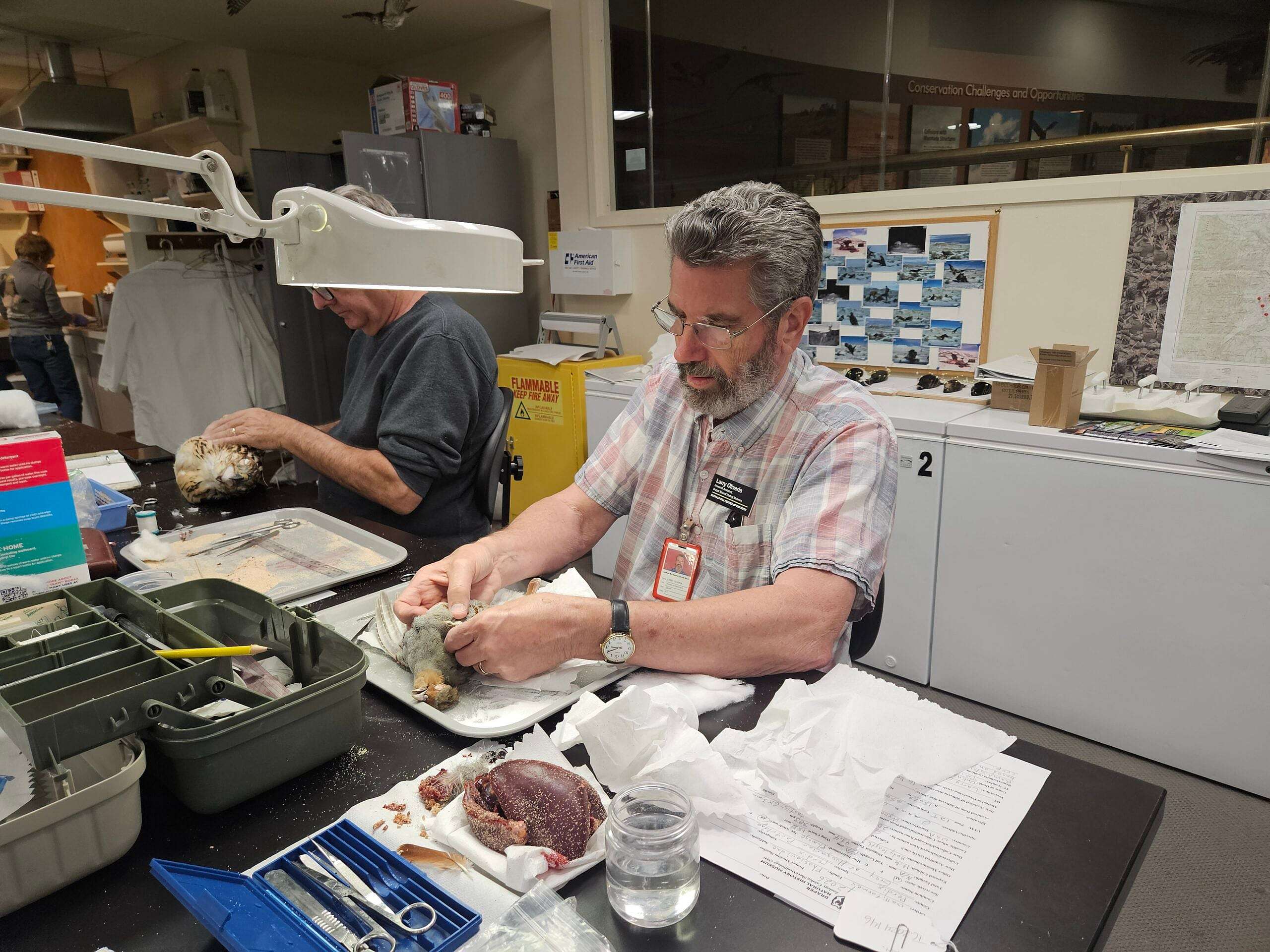
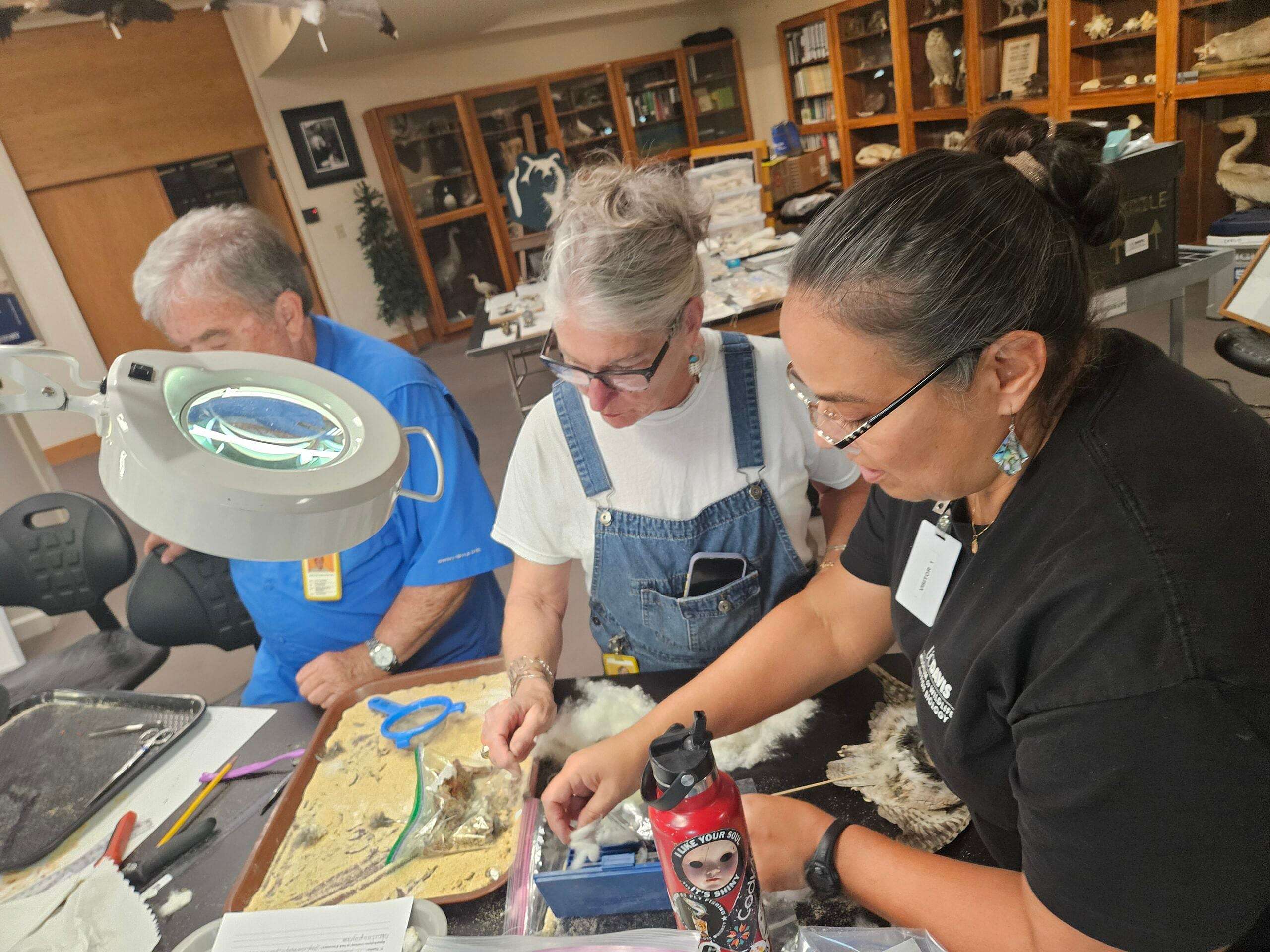
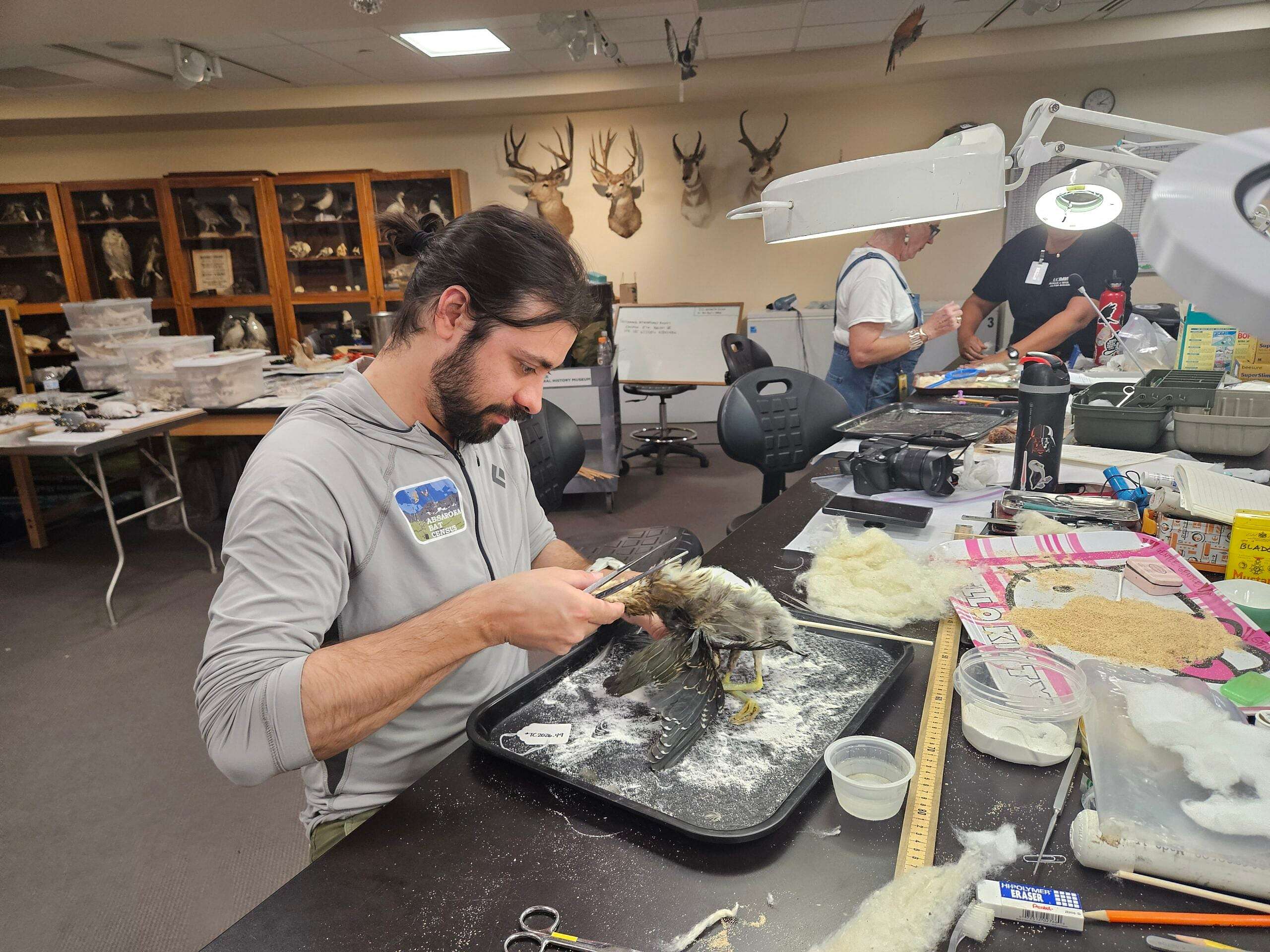
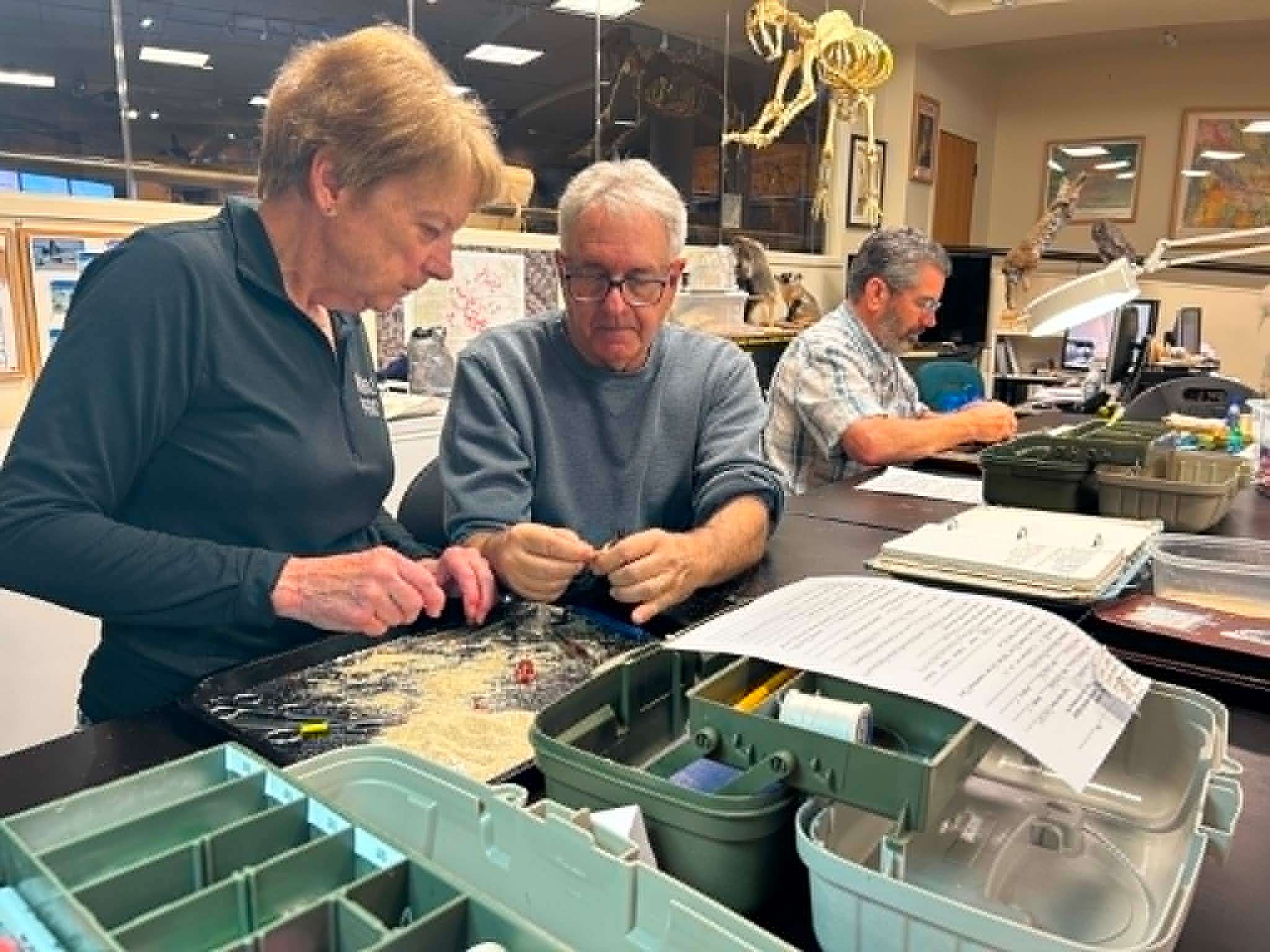
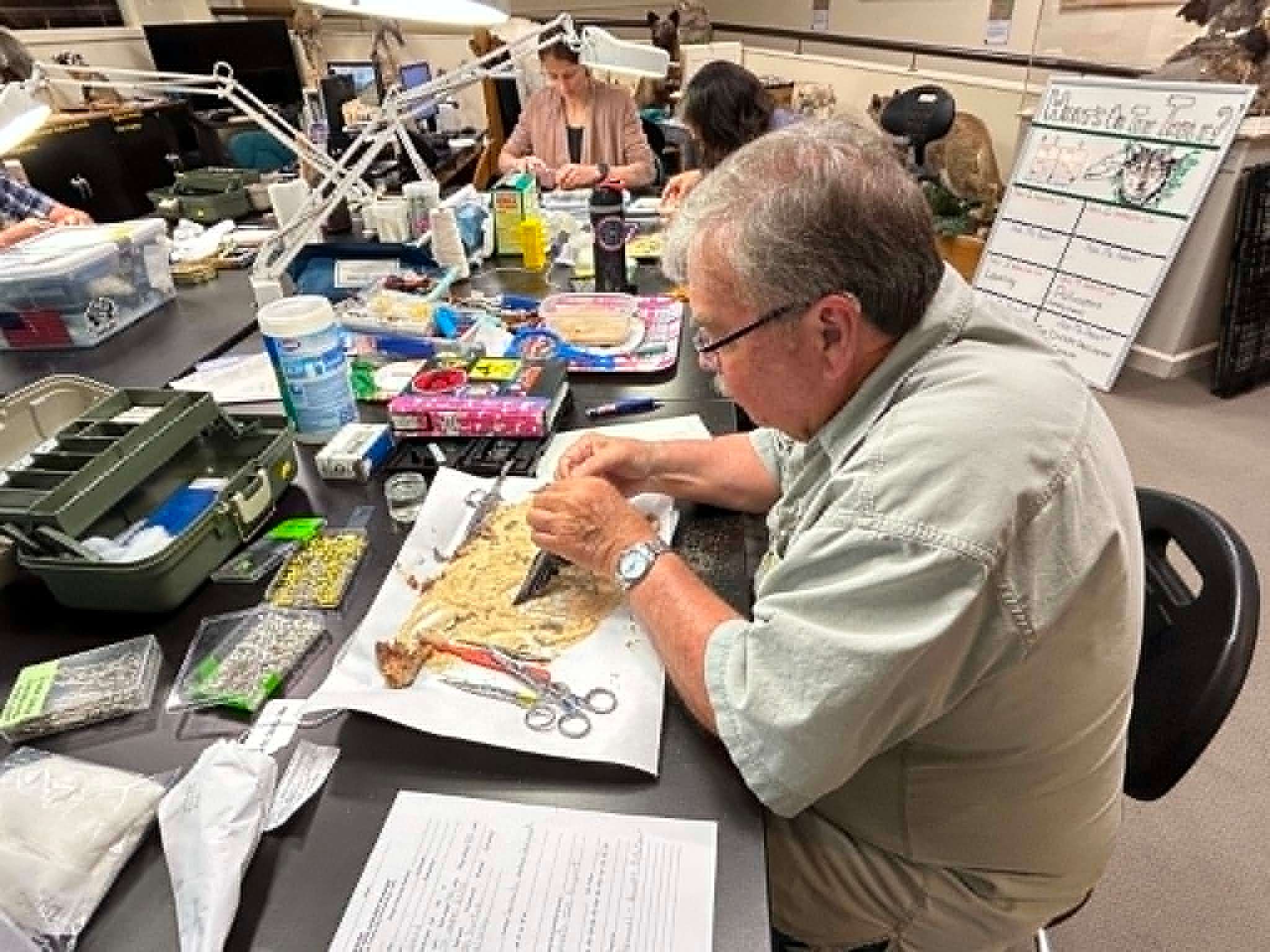
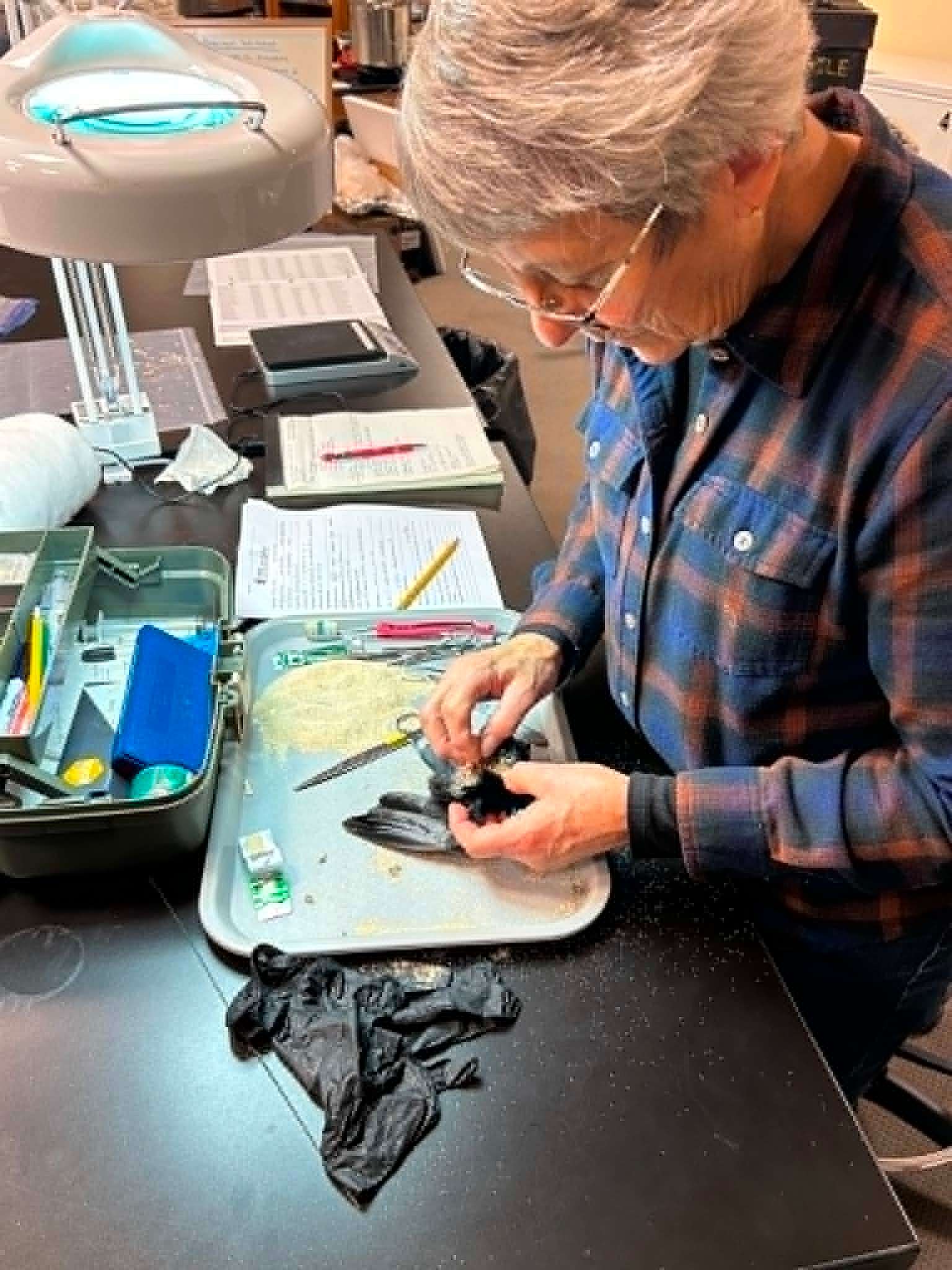
All easier said than done.
As with many things, practice makes perfect when it comes to roundskin preparation. Dr. Andrew Engilis, Jr. has prepared almost 8,000 roundskins during his career, and Dr. Irene Engilis roughly 3,000. They can prepare a mouse in 15 minutes and a bird in about 30 minutes. The Draper staff and volunteers’ times? Closer to the 8-hour mark. Students at the Museum of Wildlife and Fish Biology prepare more than 150 roundskins before working independently. For comparison, our staff and volunteers prepared approximately 3 – 6 roundskins over the course of the workshop. Why all the practice? It stems from the importance of roundskins to museum collections.
Preparing Specimens for the Next 100 Years
Roundskins are a quick, efficient way to preserve specimens that researchers can use today and 100 years into the future. Genetic research, isotope analyses, disease studies, and more all rely on roundskins for historic data! With each passing year, natural history museums gain value, and as new technologies develop, roundskins help answer more questions. For example, museums prepared roundskins long before anyone knew DNA existed. Today, scientists use those same specimens to unravel genetic relationships. One of my favorite research projects recently looked at how the coloration of white-tailed jackrabbits has changed in response to climate change. You can read about that work here. Similar work has been done with birds, such as this study on pollution.
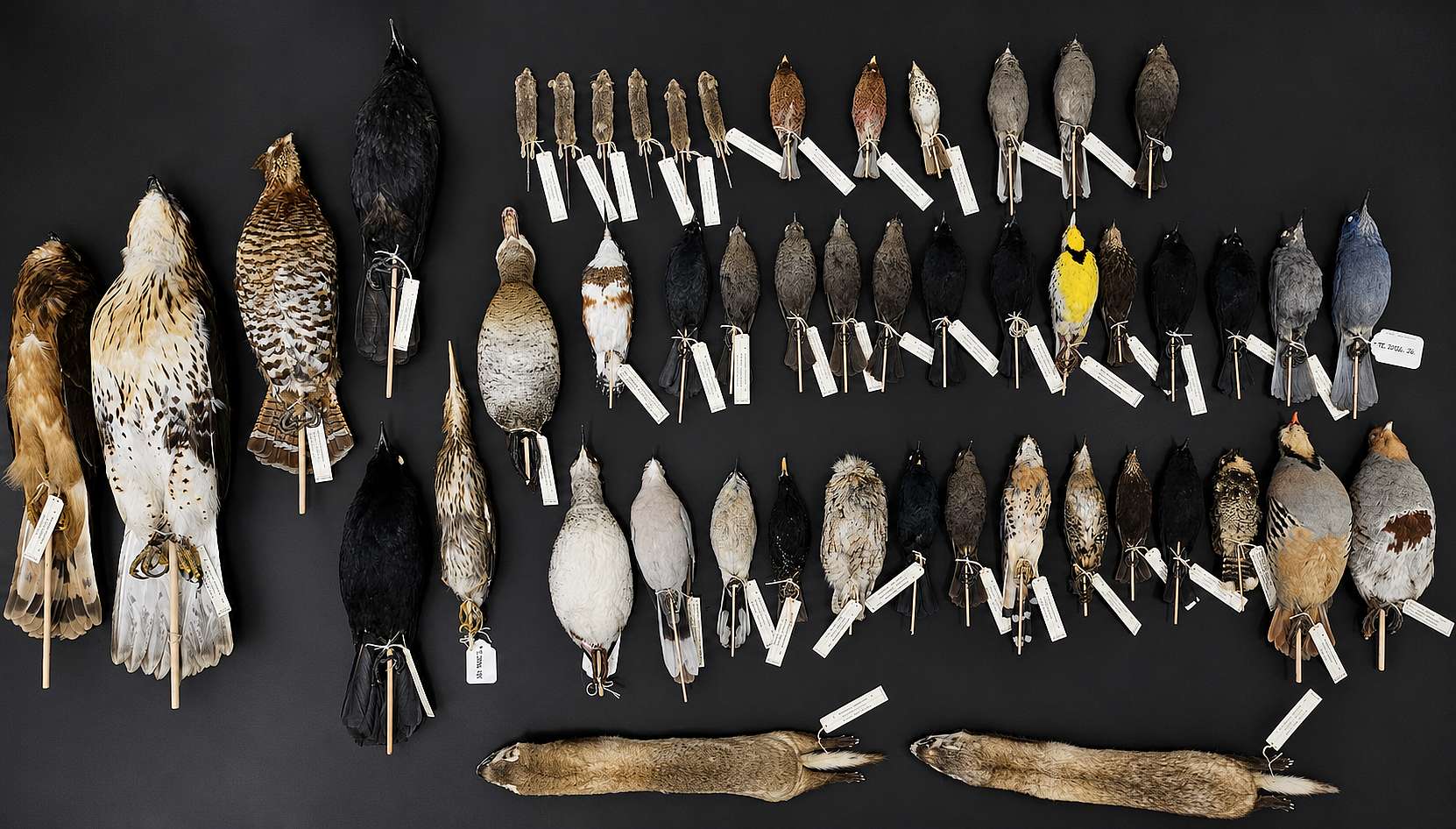
What does this mean for the Draper’s collections? Over the 7-day workshop, staff and volunteers prepared 58 roundskins. To give you an idea of the scale of that, as of June 2026, the Draper has over 800 birds in its collection and approximately 500 mammals. This skill allows us to prepare specimens quickly, reducing the backlog in our four overworked freezers. The quickness of roundskin preparation means we can collect more individuals that would otherwise head to the landfill. Each individual is a record of its species at a specific time and place. No two specimens are the same, even if they are the same species. Learning this preparation method, and learning it well, means that we can build a well-rounded collection useful for researchers studying the Greater Yellowstone Ecosystem far into the future.
For a full description of specimen preparation methods, check out this blog post by Corey Anco, Willis McDonald IV Curator of Natural History.
Written By
Amy Phillips
Amy Phillips brings seven years of experience in the cultural heritage field to her position as Curatorial Assistant at the Center of the West's Draper Natural History Museum. She is the co-Principal Investigator on the “Bison of the Bighorn Basin” Project, which employs faunal analysis to learn about past bison ecology in the geographic Bighorn Basin using more than 100 bison crania sourced by community engagement. Amy also serves on the Society of American Archaeology Public Outreach Committee and as an appointed member of the Park County Historic Preservation Commission. She has research interests in the relationship between humans and their environments in the past and present, taphonomy, and bison ecology. Amy is currently pursuing her Master of Science in Cultural Resource Management, Archaeology from St. Cloud State University.
You May Also Like
The Ultimate Wyoming Wildlife Guide: Expert Viewing Tips
Sep 28, 2026

Grizzly Flowers. Photo by Julia Cook @julia.littlelightningnature Draper Elk Wyoming...
Hibernation versus Torpor
Oct 14, 2024

Hibernation versus Torpor: What’s the Difference? by Brandon Lewis and...
From the Badlands to the Tetons: A 1930s Family Road Trip West
Sep 14, 2026

Long before smartphones and GPS guided travelers across the country,...
Rare Book Highlights: The Indians’ Book
Sep 02, 2026

"Wellnigh impossible is it for civilized man to conceive of...
Rare Book Highlights: The Original Journals of the Lewis and Clark Expedition
Oct 01, 2026
"If not for the … epic the captains scratched out...
The Life Style of Yellow-bellied Sapsuckers
Sep 16, 2026

Tree girdled with Yellow-bellied Sapsucker Holes © Dennis Donohue /...
The Bison Effect: How Bison Help Their Neighbors
Nov 17, 2025
Artist, Steve Leonardi, puts the finishing touches on his piece....
Buffalo Bill Center of the West Authenticates Trove of Historic Early 1800s Medals
Sep 08, 2026
Buffalo Bill Center of the West authenticates rare early 1800s...
Don’t Let History Live in a Shoebox: How to Archive Your Family Treasures
Sep 18, 2026
Are you the designated "historian" in your family? Do you...