
Here Comes the Boom!

July 15, 2026
What’s up with Biscuit Basin?
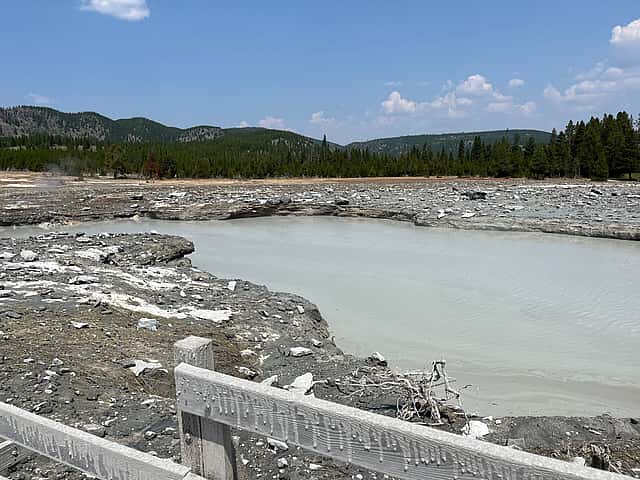
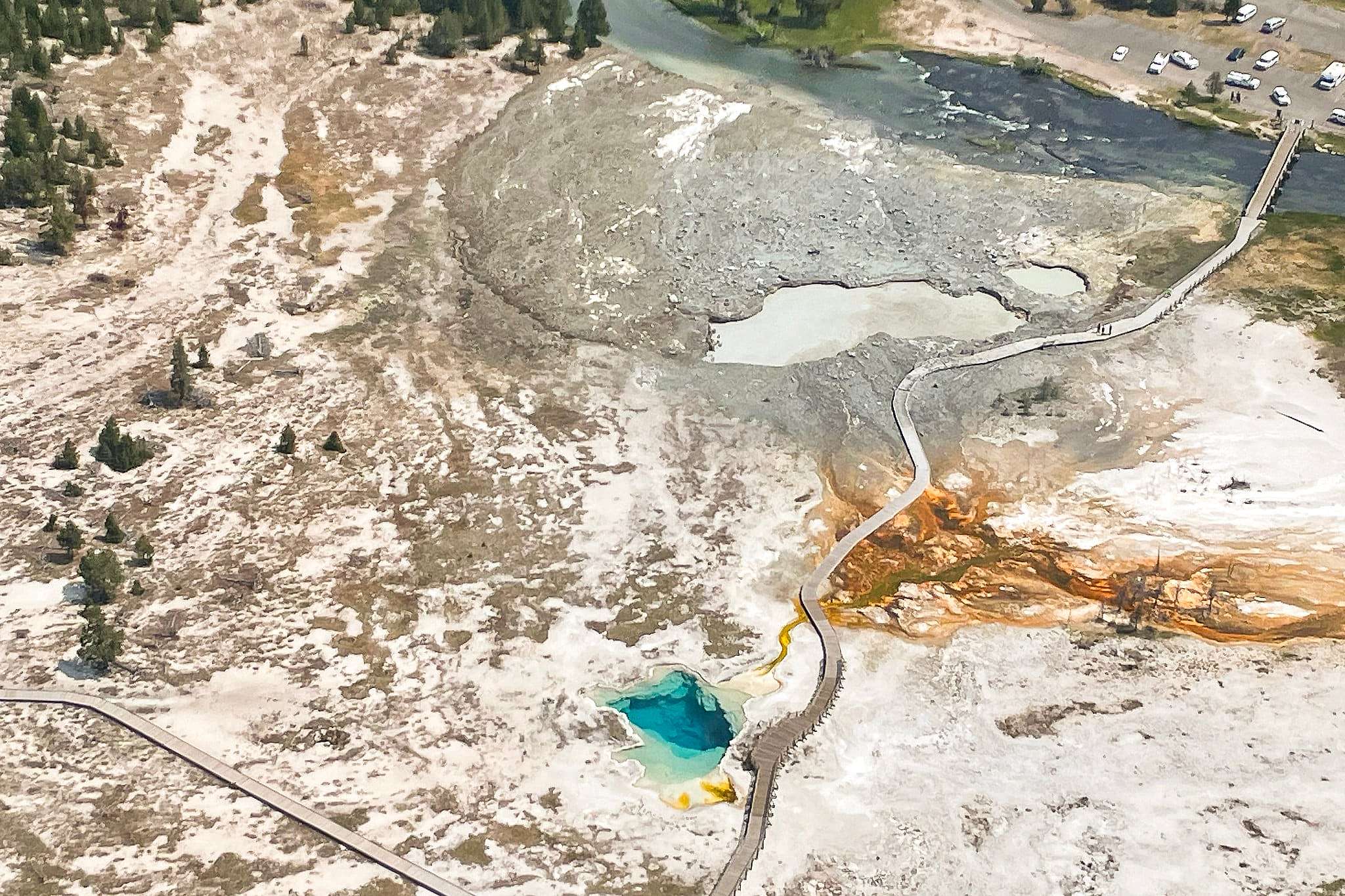
On the morning of July 13th, 2026, before the rest of the park was awake, another hydrothermal explosion occurred in Biscuit Basin. This basin has been closed for the better part of two years due to changing activity in the area. Unrest here began in dramatic fashion on July 23rd, 2024, when a nearly 600-foot (180-Meter) explosion sent water, steam, and rock debris into the air.
With all the news coverage that Biscuit Basin received, you may think this was a one-of-a-kind situation in the park. But unsurprisingly, Yellowstone is much more complex than that. The eruptions at Biscuit Basin give a unique opportunity for park scientists to gain a better understanding of how these explosions work and where they might occur in the future.
So, what exactly is a hydrothermal explosion?
Hydrothermal explosions occur when the pressure in a hydrothermal (hot water) system rapidly drops and the water flashes to steam. The water in geyser basins usually sits right around its boiling point at the surface. When it sits contained in chambers under the surface, the water experiences higher pressure. Increased pressure conditions allow the water to reach higher temperatures while remaining a liquid and at equilibrium. Equilibrium—the state of balance in earth systems—is what the thermal system needs to stay stable.
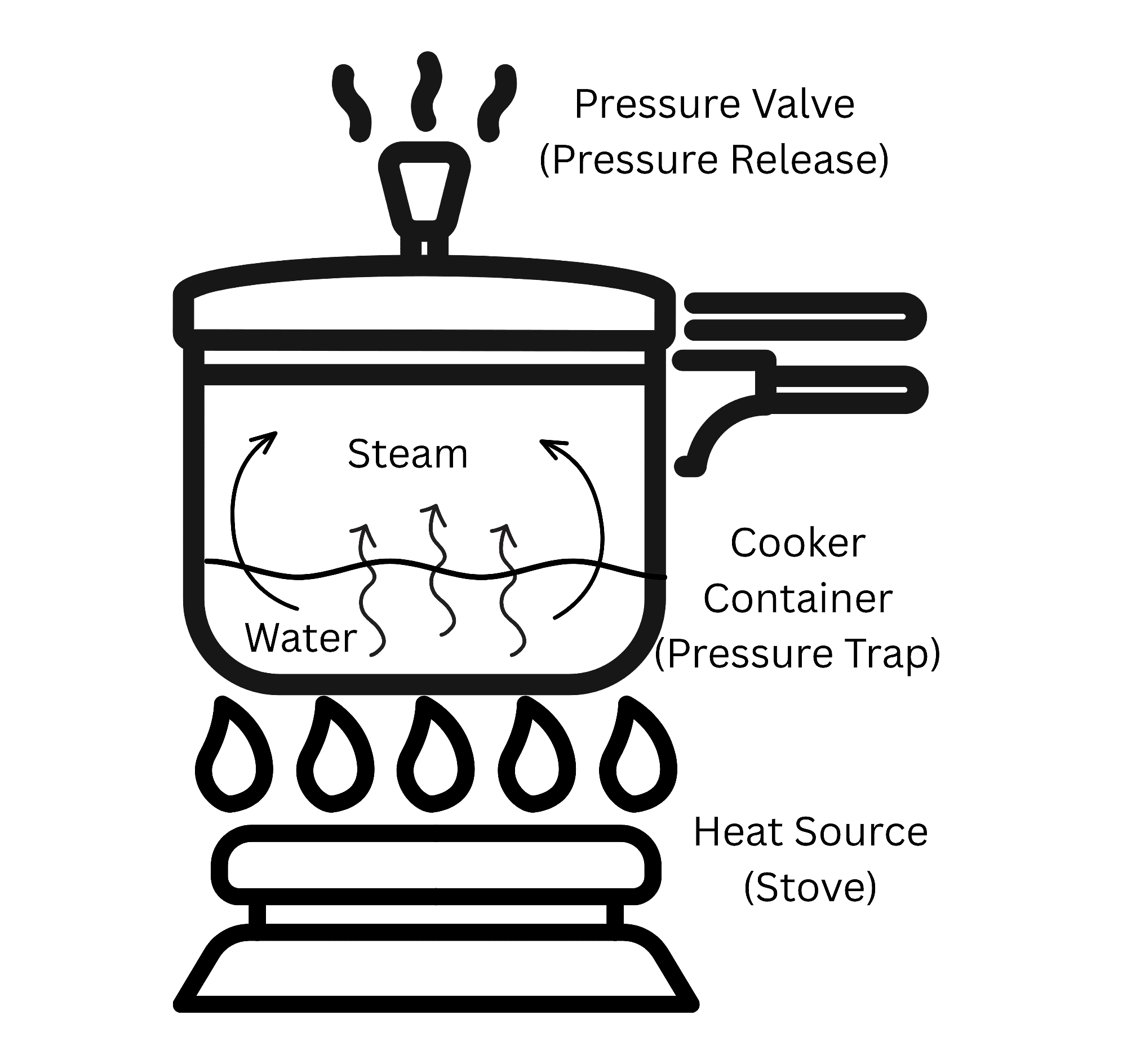
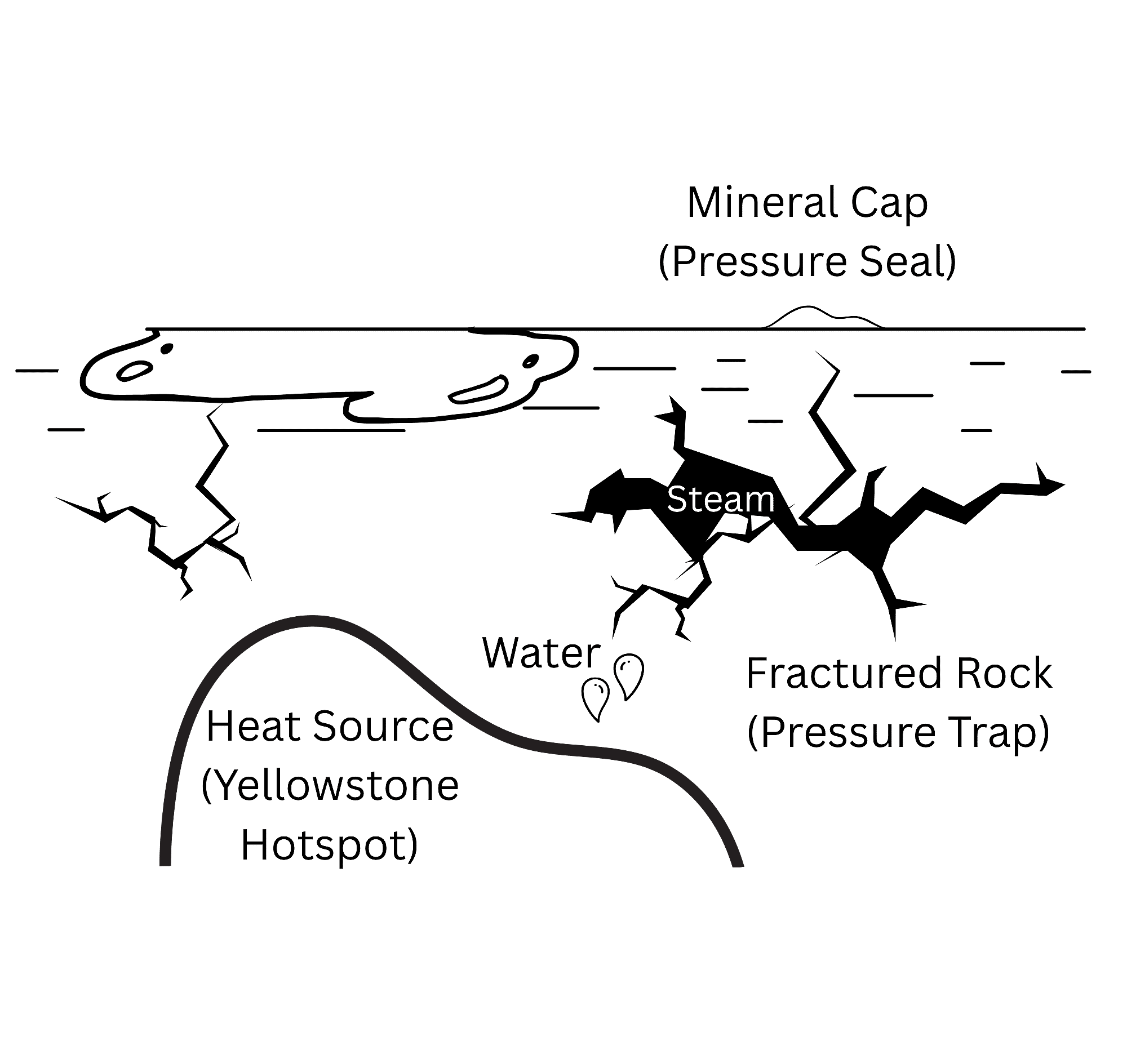
Think of these thermal fields like pressure cookers. Heat and pressure build up in reservoirs under the surface, putting the water under a tremendous amount of stress. In your pressure cooker at home, a pressure release valve manages the stress. This keeps the pressure in the cooker container at a manageable level. Unfortunately, the Earth does not have the same features, so the surrounding rocks trap water in reservoirs and pressure builds unchecked. Ultimately, this energy has nowhere else to go and results in an explosion.
But how does the pressure drop so suddenly?
Hydrothermal systems are extremely dynamic, with many distinct factors contributing to their functions. All these factors need to be in balance to ensure equilibrium in the system, with the biggest players being hot water and earthquakes.
Hydrothermal Fluids
Hydrothermal fluids are chemically active, meaning the water carries dissolved elements from the rocks around them. As water moves towards the surface, these ions precipitate out of the water and deposit as solid minerals—think stalactites and stalagmites in caves! It’s the same process.
When these minerals continually deposit in the same location, they can eventually cap the system and cause pressure to build underground. As this pressure reaches a critical level, these caps can crack, allowing the pressure in the system to rapidly dissipate, causing the fluid to flash to steam.
Earthquakes
Seismic events change what’s happening under the surface every time they happen, which in Yellowstone is quite often. But don’t worry! They are extremely small (not noticeable to humans) and completely normal in the park. Small earthquake events help to keep plumbing systems open in these thermal areas, which ensures that conduits do not get clogged with mineral deposits.
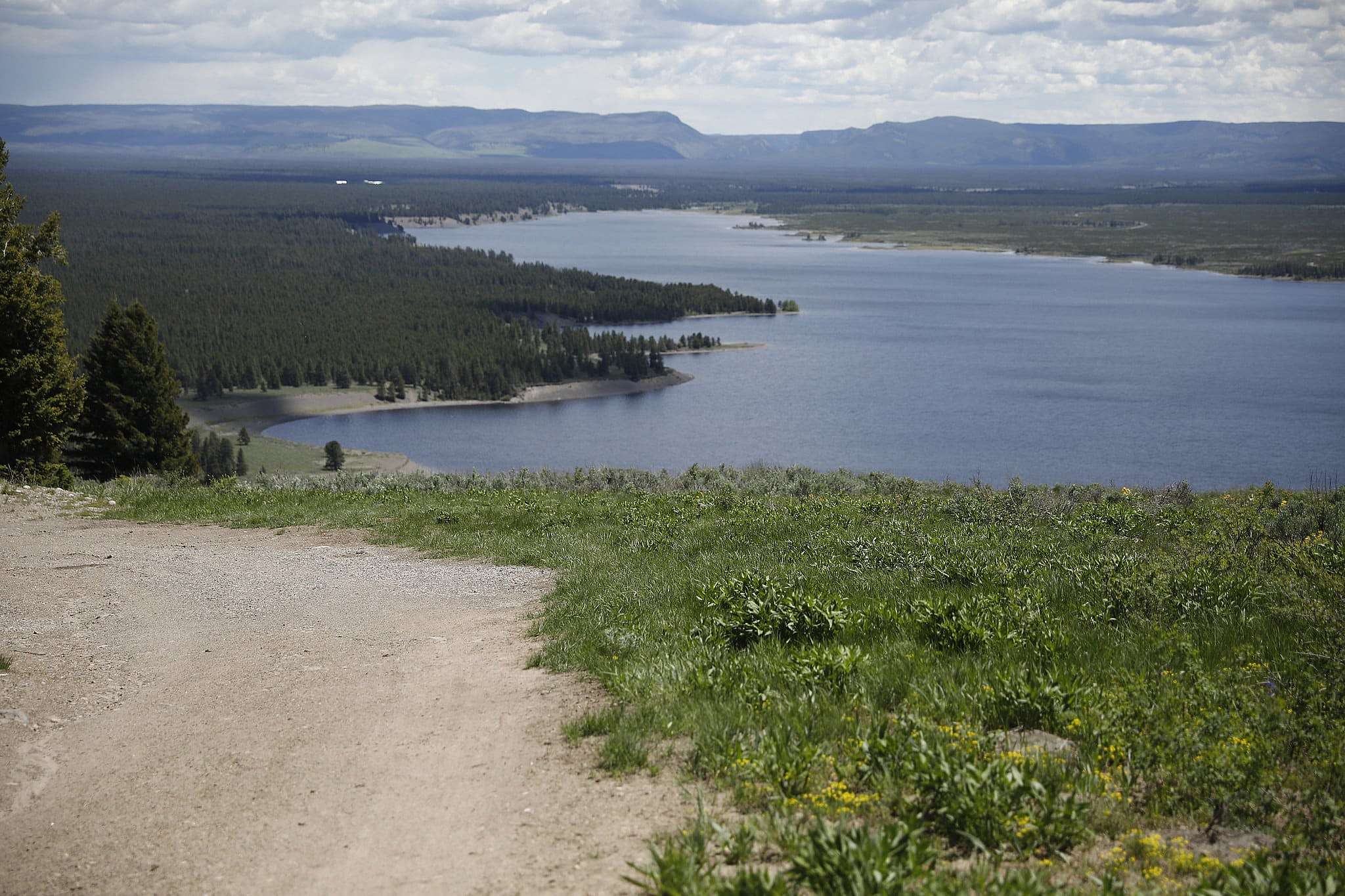
Larger earthquakes, however, can cause major changes in these thermal systems that can ultimately facilitate hydrothermal explosions. The Hebgen Lake earthquake in the summer of 1959 serves as an example of one of these events. This quake caused major changes in and around the park and was attributed to a few small explosions in thermal areas.
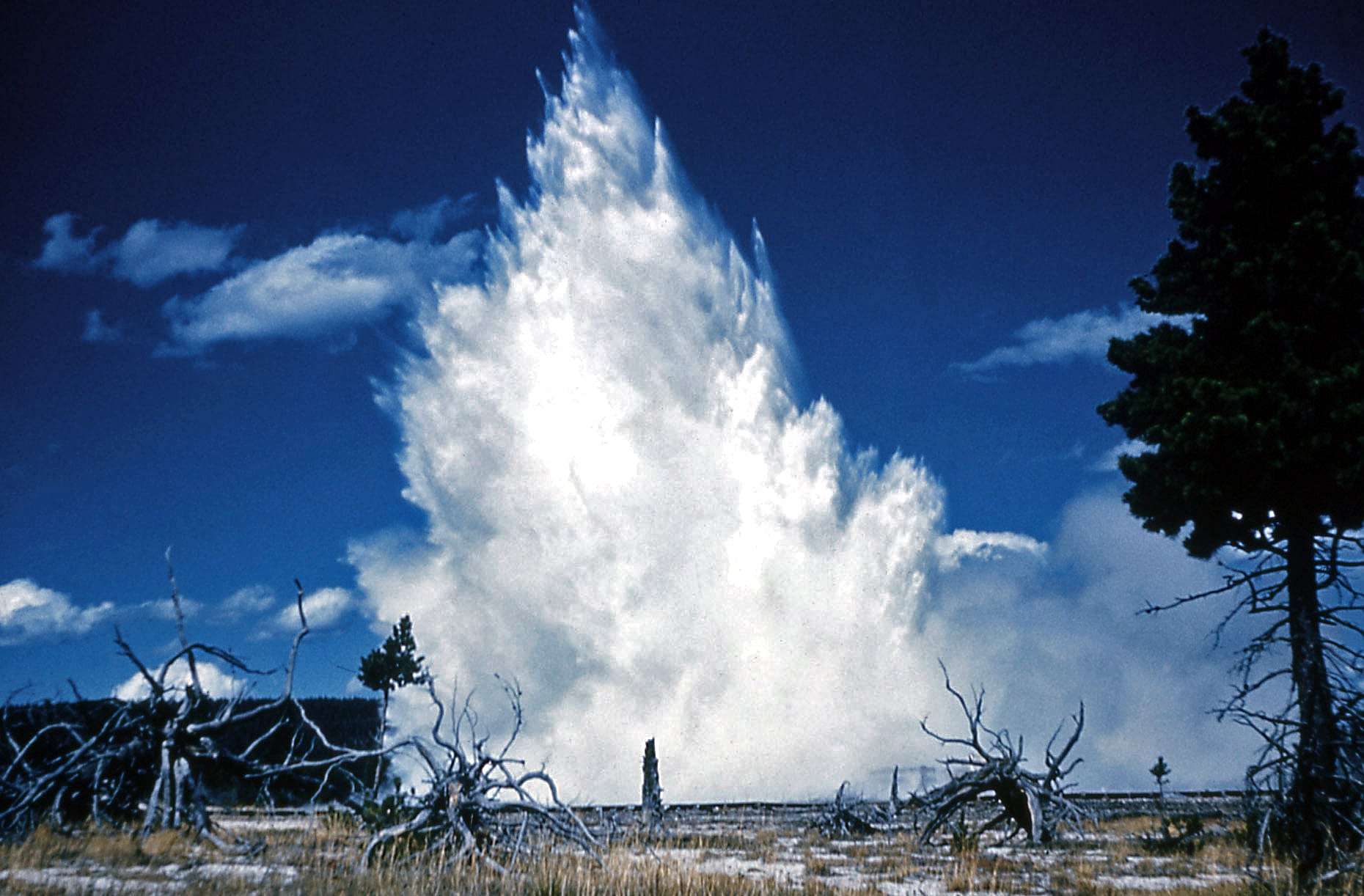
What happens when a liquid flashes into a gas?
Well, for one, it takes up more space. When water becomes water vapor (steam), it can expand to 1000 times its original volume. Which, on the surface, is not an issue. The issue with this dramatic volume difference in geyser basins is that the gas is contained within the rocks. Rocks cannot move to accommodate the added volume, so they are thrown out of the way in the violent and dramatic manner seen at Biscuit Basin.
So… these explosions don’t spell doom?
Nope! They are completely normal and happen multiple times throughout the year in the park and globally. Studies in Yellowstone have shown that explosions like these are not directly related to the magmatic activity of the volcano. They are merely the result of pressure dynamics beneath Earth’s surface.
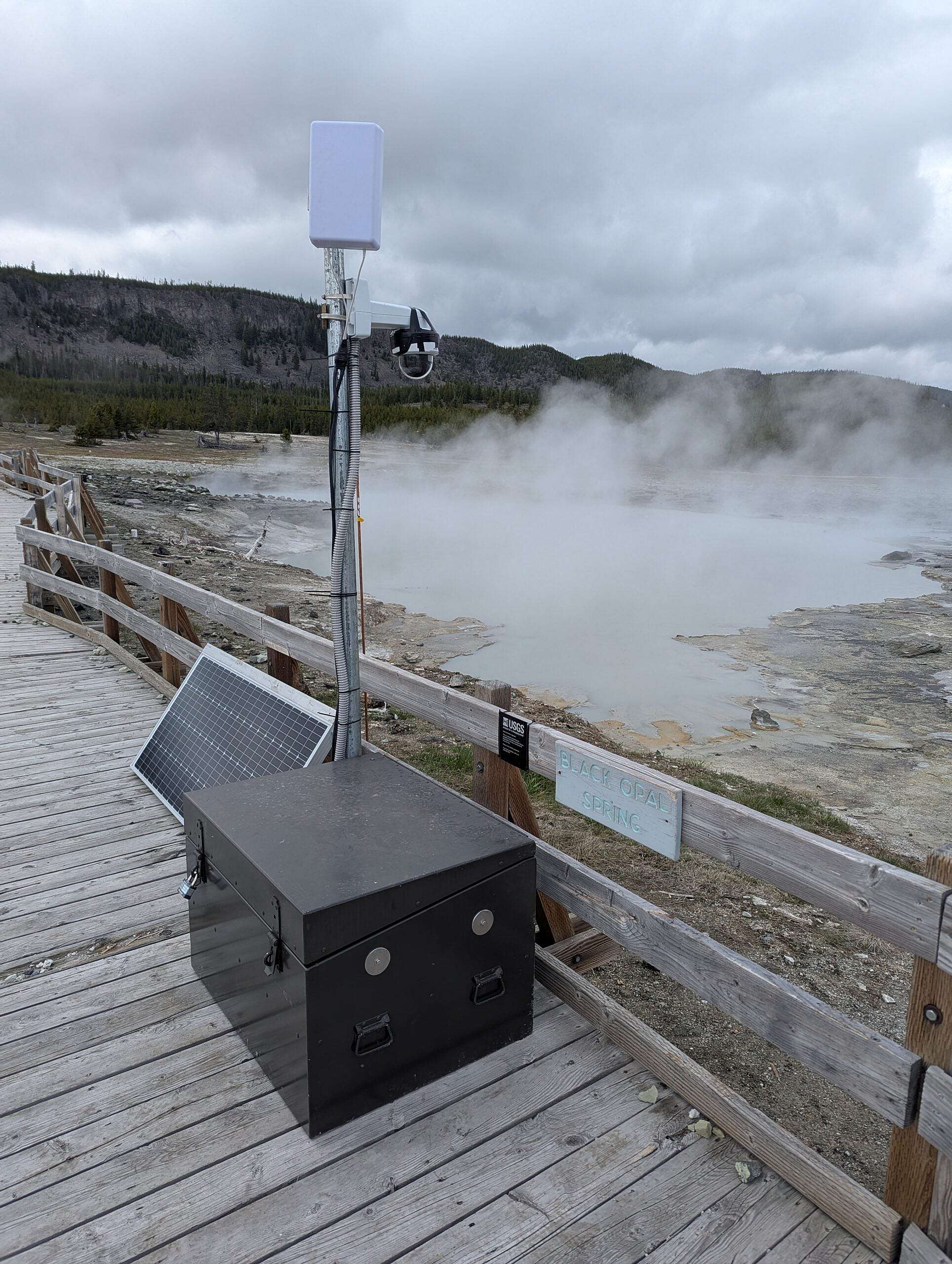
Geologists can use Biscuit Basin to learn more about how these processes occur and what signs they might show before they happen. After the eruption in 2024, the United States Geological Survey set up a multitude of instruments to collect data on the basin. Temporary seismic stations, temperature probes, cameras, and much more allow the USGS to receive a near constant stream of data from this area.
Scientists with the Yellowstone Volcano Observatory are using this data to figure out patterns in hydrothermal explosion activity, allowing them to investigate possibilities for forecasting these events. Looking for temperature fluctuations or seismic activity that coincides with these eruptions gives scientists a more well-rounded picture of what is happening beneath the earth, so they can apply it to other areas in the future.
Written By
Lexi Luft
Lexi Luft is a Geology student at Montana State University and is working as the summer 2026 Curatorial Intern with the Draper Natural History Museum. Hailing from Billings Montana, she has lived near Yellowstone National Park her whole life. Through her studies, she has had the privilege to study the geology of the Greater Yellowstone Ecosystem, which has only increased her love for the area. She is passionate about the natural world and hopes to instill a sense of responsibility and respect towards it in everyone she interacts with.
You May Also Like
Your #AskAnArchivist Questions, Answered
Oct 14, 2026

There are few things an archivist enjoys more than a...
Rare Book Highlights: The Original Journals of the Lewis and Clark Expedition
Oct 01, 2026

"If not for the … epic the captains scratched out...
A Quick Guide to Native Bee Diversity
Oct 16, 2026

Honey Bees Are Not Native When you hear “bee,” what...
Rare Book Highlights: The Indians’ Book
Sep 02, 2026
"Wellnigh impossible is it for civilized man to conceive of...
Helen Cody Wetmore in Duluth: The Untold Story of a Businesswoman, Journalist, and Activist
Oct 20, 2026

After spending the summer interning with the Education Department at...
Everything I Need to Know About Life I Learned From Birds
Aug 26, 2026

by Sophie Peterson, 2026 Raptor Intern As I near the...
Don’t Let History Live in a Shoebox: How to Archive Your Family Treasures
Sep 18, 2026
Are you the designated "historian" in your family? Do you...
An Intern in Paradise
Jul 29, 2026

Hello everybody! I’m Lexi and I am working at the Buffalo Bill...
From the Badlands to the Tetons: A 1930s Family Road Trip West
Sep 14, 2026
Long before smartphones and GPS guided travelers across the country,...
The Life Style of Yellow-bellied Sapsuckers
Sep 16, 2026

Tree girdled with Yellow-bellied Sapsucker Holes © Dennis Donohue /...
Buffalo Bill Center of the West Authenticates Trove of Historic Early 1800s Medals
Sep 08, 2026

Buffalo Bill Center of the West authenticates rare early 1800s...
The Ultimate Wyoming Wildlife Guide: Expert Viewing Tips
Sep 28, 2026
Grizzly Flowers. Photo by Julia Cook @julia.littlelightningnature Draper Elk Wyoming...