

Lunchtime Expedition: Hot Springs and Cool Beetles
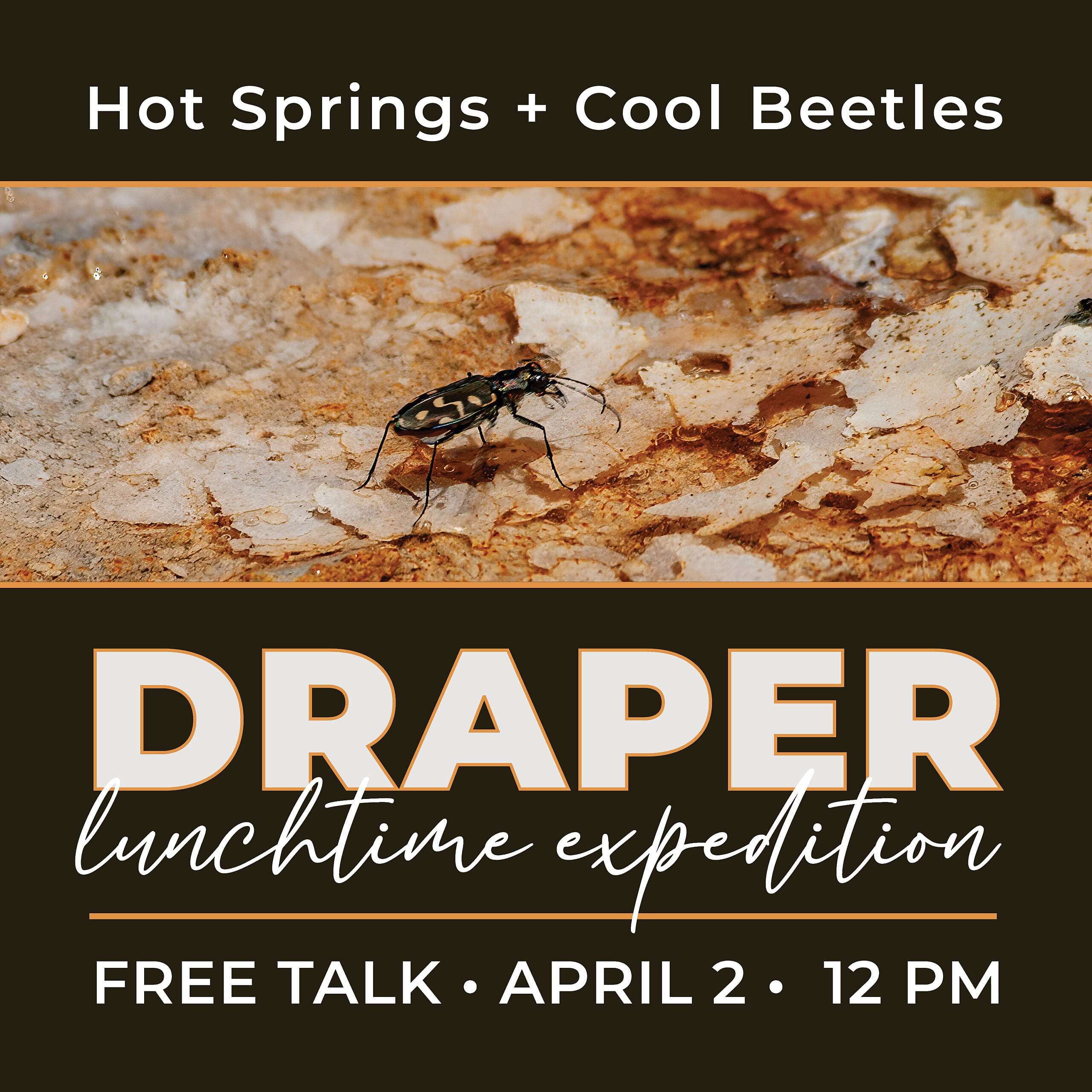
April 2, 12–1 p.m. | Coe Auditorium
Leon G. Higley is a Professor of Applied Ecology and Forensic Science in the School of Natural Resources at the University of Nebraska-Lincoln. He has a BA in chemistry from Cornell University and an MS in entomology and PhD in entomology and crop physiology from Iowa State University. He is an insect ecologist, with specific research areas including forensic entomology, thermal biology, plant physiological responses to insect injury (particularly photosynthesis), pest management decision making, and other issues in ecophysiology. As a forensic entomologist, Higley has contributed to 21 homicide investigations and 5 civil cases. Based on his research in Yellowstone National Park, he is co-inventor with Robert Peterson at Montana State University of “a process for establishing uniform liquid films on polar and non-polar substrates”, which received a U.S. patent in 2025. He has advised 30 MS and PhD students, who are now employed professionally with state and federal agencies, colleges, and private industry. Higley is the recipient of various research and teaching awards, including the NCB-ESA C. V. Riley Award, the Entomological Society of America Distinguished Achievement Award in Teaching and the Founders Memorial Award. He is the author of over 150 peer-reviewed publications, 27 book chapters, and 6 books. Higley also serves as an editorial board member for the journals Biology and Insects. He is an avid nature photographer (particularly of insects) and has exhibited in five gallery and professional showings.
Summary of Dr. Higley’s abstract:
The tiger beetle Cicindela haemorrhagica thrives in Yellowstone’s thermal pools, tolerating extreme heat, acidic water, and heavy metals. Researchers discovered unique adaptations: water-retaining abdominal grooves for cooling, infrared-reflecting abdomens, and heavy-metal sequestration in their exoskeleton. These features make it a top insect predator and one of North America’s most remarkable species.